
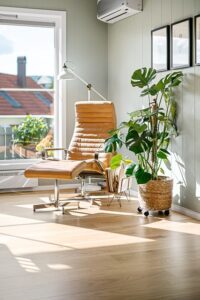
How to Manage Natural Light in Home: The Ultimate Guide for a Brighter, Healthier Space
Natural light isn’t just about aesthetics—it’s about energy, mood, and functionality. A well-lit home feels spacious, inviting, and alive, while poor lighting can make even the most beautifully decorated space feel dull and uninspiring. Instead of relying on artificial lighting that increases energy costs, why not harness natural light effectively?
See How to Manage Natural Light in Home: Managing natural light in your home is both an art and a science. It’s about direction, intensity, reflection, and control. Whether your home is flooded with sunlight or struggles with dim corners, this guide will help you maximize and balance natural light smartly.
Why Natural Light Matters in Your Home
Before jumping into techniques, let’s address why natural light is crucial:
✅ Enhances Mood & Productivity – Sunlight boosts serotonin levels, keeping you happy and energetic.
✅ Saves Energy Costs – Less dependence on artificial lighting means lower electricity bills.
✅ Creates a Spacious Feel – Natural light opens up a space, making rooms feel larger and airier.
✅ Improves Sleep Patterns – Exposure to daylight regulates circadian rhythms, leading to better sleep.
✅ Boosts Home Aesthetics – Colors appear more vibrant, textures come alive, and interiors feel more natural.
Now, let’s get into How to Manage Natural Light in Home and optimize natural light in your home effectively.
-
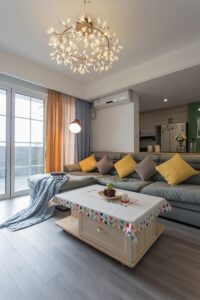 Understand the Direction of Natural Light
Different rooms receive different intensities of sunlight based on their orientation. Here’s how to use this knowledge to your advantage:
- North-facing rooms – Get soft, consistent light. Ideal for offices or study rooms where glare-free light is needed.
- South-facing rooms – Receive the most sunlight throughout the day. Great for living rooms and areas where you want warmth.
- East-facing rooms – Bright in the morning, softer in the afternoon. Perfect for breakfast nooks or morning workout spaces.
- West-facing rooms – Strong, golden light in the evening. Can get too warm, so use light-filtering curtains.
🛠 Action Tip: Observe how sunlight moves through your home. Rearrange furniture accordingly—work spaces near north-facing windows, lounging areas in south-facing zones, and cozy reading corners in west-facing spots.
-
Use Reflective Surfaces to Amplify Light

If your home lacks direct sunlight, reflection is your best friend. Instead of adding artificial lighting, strategically place reflective materials to bounce light around the room.
🔹 Mirrors – Placing a large mirror opposite a window doubles the natural light effect.
🔹 Glossy Surfaces – Use furniture with glossy finishes, glass tabletops, or polished floors to reflect sunlight.
🔹 Metallic Accents – Brass, chrome, and silver decor can subtly reflect light and create a warm glow.
🔹 White or Light-Colored Walls – Dark walls absorb light, while white or pastel shades help spread brightness.
🛠 Action Tip: If you have a small or dark room, add a floor-to-ceiling mirror to create an illusion of more space and light.
-
 Smart Window Treatments: Balance Light & Privacy
Too much sunlight can be harsh and uncomfortable, while too little makes a room feel gloomy. The key is to control light without blocking it completely.
🌞 For Bright Spaces (South/West-facing windows)
- Use sheer curtains or light-filtering blinds to diffuse harsh sunlight without darkening the room.
- Opt for adjustable blinds that let you control the intensity of light throughout the day.
🌥 For Dim Spaces (North/East-facing windows)
- Choose light-colored or translucent curtains to maximize incoming light.
- Avoid heavy, dark drapes that absorb light and make the space feel even darker.
🛠 Action Tip: Use double-layer curtains—a sheer layer for daylight and a blackout layer for privacy at night.
-
Incorporate Skylights & Clerestory Windows

If your home lacks large windows, skylights and clerestory windows are game changers.
- Skylights – Installed on the ceiling, these bring in abundant daylight while maintaining privacy.
- Clerestory Windows – High-positioned windows near the roof allow light to enter without direct glare.
🛠 Action Tip: If a renovation is possible, install a skylight in dark hallways, kitchens, or bathrooms for a natural light boost.
-
Optimize Indoor Plants for Light Management
How to Manage Natural Light in Home: Indoor plants do more than purify air—they help filter and manage sunlight effectively.
🌿 For Excess Sunlight – Use tall indoor plants like Areca Palm or Fiddle Leaf Fig near windows to diffuse harsh light.
🌿 For Low-Light Areas – Introduce light-reflecting plants like Snake Plant or Peace Lily, which thrive in indirect light while making the space look fresher.
🛠 Action Tip: Place potted plants near windows where light is too strong to create a natural green filter.
-
 Light-Friendly Furniture & Layout Hacks
Your choice of furniture and its placement can significantly impact natural light flow.
🚪 Open Spaces Work Best – Arrange furniture to allow light to travel freely. Avoid blocking windows with heavy furniture.
🎨 Light-Colored Furniture Reflects Light – Opt for pastel shades, neutral tones, and wooden finishes over dark upholstery.
🪑 Low-Profile Furniture Maintains Openness – Use low-height sofas and glass tables to keep the space visually open and airy.
🛠 Action Tip: If your room feels too dark, replace dark upholstery with lighter-colored fabrics for an instant brightening effect.
-
Use Artificial Light to Complement Natural Light
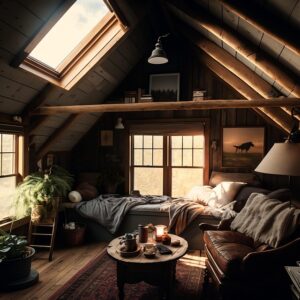
Even with perfect natural lighting, the right artificial lighting setup enhances brightness and maintains balance.
💡 Layer Your Lighting – Combine ambient, task, and accent lighting to prevent harsh contrasts.
💡 Warm vs. Cool Bulbs – Use warm white lights (2700K-3000K) in cozy areas and cool daylight bulbs (4000K-5000K) in workspace.
💡 Dimmable Lights for Flexibility – Adjust brightness to match the amount of natural light available.
🛠 Action Tip: Install motion-sensor lights in areas where natural light fluctuates, like hallways and bathrooms.
Final Thoughts: Let Natural Light Work for You
How to Manage Natural Light in Home isn’t about getting more windows—it’s about using what you already have wisely. Whether it’s positioning furniture strategically, using reflective surfaces, or installing sheer curtains, small changes can make a huge difference.
A well-lit home isn’t just about aesthetics—it’s about enhancing mood, reducing energy consumption, and making your living space truly vibrant.
Now it’s your turn—optimize your home’s natural light and enjoy a brighter, happier space! 🌞✨
2 thoughts on “How to Manage Natural Light in Home: The Ultimate Guide for a Brighter, Healthier Space”