
Reshaping Tariffs & Global Trade: India’s Strategic Move
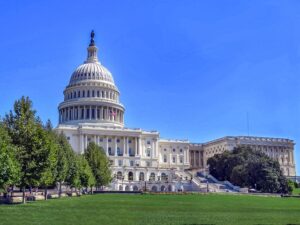
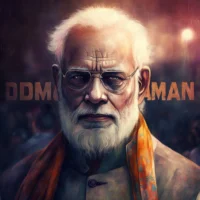
Prime Minister Narendra Modis recent visit to the United States was not just another diplomatic handshake—it was a defining moment in India’s evolving trade relationship with the world’s largest economy. At the heart of the discussions were tariffs, trade imbalances, and the future of economic cooperation between the two nations. Modis assertive stance signaled India’s commitment to fair trade while reinforcing its position as a global economic powerhouse.
Tariffs Take Centre Stage
For years, trade disputes between India and the US have been a point of contention. The Trump and Biden administrations-imposed tariffs on Indian exports, citing trade imbalances and protectionist policies. In response, India levied retaliatory tariffs on American goods, fuelling tensions. Modis latest visit sought to address these issues head-on, ensuring that India’s economic interests were not overshadowed by US demands.
During high-level meetings, the Indian delegation made it clear that while India is open to reducing specific tariffs, it expects the US to reciprocate by restoring trade benefits and easing restrictions on Indian exports. This direct approach marked a shift from past negotiations, where India often took a more defensive stance.
 Key Agreements and Trade Commitments
- Reducing Trade Barriers
One of the major outcomes of Modis visit was an agreement to gradually lower certain tariffs on key products, including agricultural goods, electronics, and industrial components. This move is expected to benefit both nations by promoting a more balanced trade relationship.
- Strategic Energy and Defense Partnerships
While reshaping Tariffs & Global Trade India agreed to expand its purchase of American oil and gas, further diversifying its energy sources. This not only strengthens India’s energy security but also helps reduce its trade surplus with the US. Additionally, new defense deals were signed, reinforcing India’s position as a key ally in the Indo-Pacific region.
- Restoring Trade Privileges
A significant win for India was the US commitment to reconsider India’s eligibility for the Generalized System of Preferences (GSP), a program that allows duty-free imports of certain goods into the US. If reinstated, this could provide a major boost to Indian exporters, especially in textiles, jewellery, and industrial manufacturing.
Modis Assertive Diplomacy: A Game-Changer
Unlike previous visits where trade talks often ended with vague promises, Modis discussions in Washington carried a stronger, results-driven approach. The Indian Prime Minister made it clear that India is no longer willing to accept one-sided trade agreements. Instead, the country seeks fair and equal terms that benefit both economies.
Modis message was unambiguous: India is open to negotiations but will not compromise on its economic sovereignty. This resonated well with Indian businesses, who have long advocated for a more aggressive trade strategy against Western protectionist policies for reshaping Tariffs & Global Trade .
The Road Ahead: What to Expect
The Modi-Biden trade talks have set the stage for a new phase in Indo-US relations, but challenges remain. The coming months will determine whether the commitments made during this visit translate into concrete policy changes.

- Potential Removal of US Tariffs on Indian Steel and Aluminum: The Indian government is pushing for the US to ease or remove the tariffs imposed on steel and aluminum exports, which have hurt Indian manufacturers.
- Greater Access for Indian Pharma and IT Services: India seeks better market access for its pharmaceutical and IT industries, two of its biggest export sectors.
- Ongoing Negotiations on Digital Trade: Discussions around digital services and data localization remain unresolved, with both nations working towards a mutually beneficial solution.
Conclusion: A Defining Moment for India’s Global Trade Strategy
Modis US Visit: Reshaping Tariffs & Global Trade was not just about diplomacy—it was about redefining India’s role in global trade. With an assertive stance on tariffs and economic negotiations, India has demonstrated that it is ready to engage with global superpowers on its own terms. The visit underscored India’s economic strength and its ability to navigate complex trade relationships without compromising national interests.
As talking about Reshaping Tariffs & Global Trade, the world will be watching how India leverages its growing economic influence. If the agreements reached in Washington materialize into actionable policies, this visit could mark the beginning of a more balanced and mutually beneficial Ind-US trade partnership.