

Why Holi Is Celebrated in India: A Vibrant Tale of Tradition, Triumph, and Togetherness
India’s festival of colors, Holi, is not just an annual event marked by throwing vibrant powders and dancing in the streets. It’s a deeply-rooted celebration of culture, heritage, and unity. From the bustling cities to the serene villages, Holi is a grand spectacle of joy that breaks social boundaries, inviting everyone to participate.
But why exactly is Holi celebrated? What makes it so special and unique to India’s cultural fabric? Let’s explore the fascinating reasons behind this iconic festival.
A Celebration of Good Over Evil
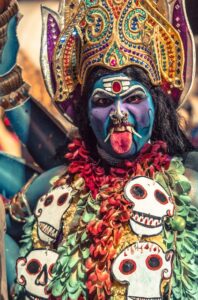
At the heart of Holi lies a powerful tale of good triumphing over evil. This symbolism isn’t just a mythological narrative; it’s a message of hope and resilience that continues to resonate across generations.
According to folklore, Holi commemorates the victory of Prince Prahlad’s devotion to Lord Vishnu over the evil intentions of King Hiranyakashipu. The demon king, in his arrogance, demanded that everyone worship him instead of the gods. However, his son Prahlad remained a devout follower of Vishnu, infuriating the king.
Hiranyakashipu’s sister, Holika, who was blessed with immunity to fire, attempted to burn Prahlad by luring him into a blazing pyre. But her sinister plan backfired. Protected by his unwavering devotion, Prahlad emerged unscathed while Holika perished. That’s Why Holi Is Celebrated in India.
This event is celebrated on the eve of Holi, known as Holika Dahan, where bonfires are lit to symbolize the destruction of evil and the power of faith and goodness.
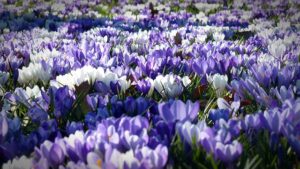 Nature’s Own Festival: The Arrival of Spring
Holi isn’t just a religious festival; it’s a seasonal celebration marking the arrival of spring. After the harshness of winter, the blossoming of flowers and the warmth of sunlight are welcomed with songs, dances, and colors.
In rural India, Holi also signifies a successful harvest season, where farmers rejoice over their produce and pray for prosperity. The festival is deeply connected to the earth’s cycles, making it a tribute to nature’s renewal and abundance.
Unity in Diversity: Breaking Social Barriers
One of the most beautiful aspects of Holi is its ability to dissolve societal divisions. It’s a day when caste, creed, age, and gender lose significance, and everyone plays and celebrates together.
Why Holi Is Celebrated in India: The act of applying colors on each other’s faces serves as a reminder that we are all the same underneath—human beings seeking joy and connection. It’s a powerful message of equality and harmony that transcends cultural and social differences.
Expressions of Love and Reconciliation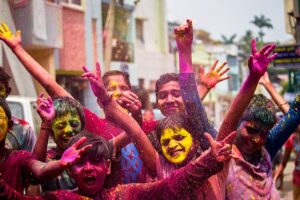
Holi is also linked to the divine love story of Lord Krishna and Radha, especially in the Braj region of Uttar Pradesh. According to legend, the playful application of colors began with Krishna coloring Radha’s face to erase the difference in their skin tones, an act symbolizing love, acceptance, and unity.
The festival is often seen as a time to repair strained relationships, forgive old grudges, and start afresh. Families come together, friends reunite, and even enemies are encouraged to embrace and forget past animosities.
 Cultural and Regional Variations of Holi
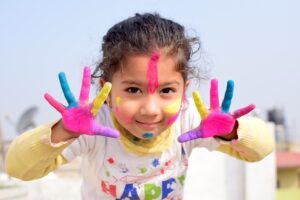
India’s vast diversity means that Holi is celebrated differently across various states and communities. While the common theme of colors remains, unique traditions add charm to the festivities.
- Latemar Holi (Uttar Pradesh): Women playfully beat men with sticks, recreating the mischievous nature of Krishna’s youth.
- Shigmo (Goa): A dance festival celebrating warriors’ return from the battlefield, marking Holi in the coastal state.
- Phaguwa (Bihar): A rustic, earthy celebration emphasizing folk songs and traditional rituals.
- Dol Purnima (West Bengal): A graceful festival where idols of Lord Krishna are paraded and smeared with colored powders.
These regional nuances contribute to the richness of Holi’s cultural significance, making it a festival that continuously evolves while staying true to its roots. This is the reason why Holi Is Celebrated in India.
Why Holi Continues to Be Relevant Today
In today’s rapidly evolving world, Holi’s message of unity, joy, and positivity is more relevant than ever. It’s a celebration that brings communities together, breaking barriers of religion, status, and language.
Moreover, as the world increasingly focuses on mental health and emotional well-being, Holi’s emphasis on letting go of negativity and embracing happiness offers a much-needed respite from life’s stresses.
It’s a festival that encourages people to live fully, freely, and fearlessly.
Modern-Day Practices and Global Influence
Holi is no longer confined to India’s borders. Its vibrant appeal has made it a global phenomenon, celebrated by people of various cultures worldwide. The concept of color runs, music festivals, and community events inspired by Holi are now popular in countries like the United States, the United Kingdom, and Australia.
However, as the festival gains global recognition, it’s essential to remember and respect its cultural significance. Holi is not just about throwing colors; it’s about embracing love, unity, and the eternal battle between good and evil.
 Final Thoughts: Holi—A Festival of Hope and Harmony
The celebration of Holi in India goes far beyond colors and water. It’s a soulful tradition that embraces the fundamental human desires for joy, freedom, and acceptance. From the myths of Prahlad and Holika to the playful romance of Krishna and Radha, Holi embodies stories of love, devotion, and resilience. That’s why Holi Is Celebrated in India.
In a world that often feels divided, Holi’s message of unity and positivity is more important than ever. So, as the festival approaches, remember its deeper meaning and celebrate it with open hearts and joyful spirits.