
California Wildfires: A Devastating Crisis and the Path to Recovery
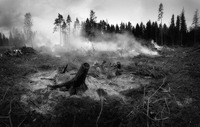
California continues to battle one of the most devastating wildfire seasons in recent history, with the Palisades and Eaton fires now fully contained after weeks of relentless destruction. These fires, fueled by extreme drought conditions and fierce Santa Ana winds, have claimed lives, destroyed thousands of homes, and left communities grappling with unprecedented losses. While the flames have been extinguished, the aftermath reveals a long road to recovery, accountability investigations, and crucial lessons for wildfire prevention.
The Scale of Devastation
The wildfires, which erupted in early January, swept through vast areas of Los Angeles County, leaving behind a trail of destruction. The Palisades Fire burned over 23,000 acres, while the Eaton Fire consumed more than 14,000 acres, making this one of the worst wildfire disasters in the state’s history.
- Lives Lost: At least 29 people have been confirmed dead, with dozens still unaccounted for.
- Property Damage: More than 16,000 structures were either damaged or completely destroyed.
- Economic Impact: Early estimates indicate that losses could exceed $250 billion, including damages to infrastructure, businesses, and residential properties.
- Mass Evacuations: Nearly 180,000 residents were forced to flee their homes, many of whom are still unable to return due to hazardous conditions and ongoing recovery efforts.
Containment Achieved, But At What Cost?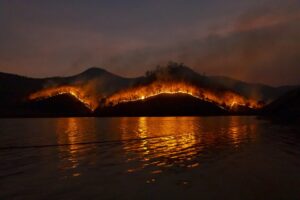
After tireless efforts by over 6,000 firefighters, both fires were declared 100% contained by the end of January. Firefighters, emergency responders, and volunteers worked under grueling conditions to control the blazes, often facing erratic fire behavior due to high winds and dry fuel loads.
While containment is a significant milestone, the scars left on the environment and communities will take years to heal. Entire neighborhoods have been reduced to ashes, and many families have lost everything.
The Role of Utility Companies Under Scrutiny
As investigations into the causes of these fires intensify, utility company Southern California Edison (SCE) has come under scrutiny. Preliminary reports suggest that the Eaton Fire may have been sparked by electrical equipment failures near a transmission tower.
This wouldn’t be the first time a utility company has been linked to catastrophic wildfires in California. In previous years, power companies have been held liable for fires due to poor infrastructure maintenance. If found responsible, SCE could face massive lawsuits and regulatory penalties, potentially following in the footsteps of PG&E, which was forced into bankruptcy due to wildfire liabilities.
 Government Response and Emergency Aid
The federal and state governments have declared a state of emergency, unlocking financial aid and resources for affected residents.
- FEMA Assistance: The Federal Emergency Management Agency (FEMA) is providing financial relief for displaced families, including temporary housing assistance and grants for rebuilding homes.
- State Funding: Governor Gavin Newsom has pledged over $1 billion for wildfire recovery and prevention efforts, focusing on strengthening infrastructure and increasing fire mitigation measures.
- Community Relief: Local organizations and charities have mobilized to provide essentials such as food, medical aid, and mental health support to those affected.
Community Resilience and Rebuilding Efforts
Despite the devastation, communities are coming together to support those in need. A major benefit concert, Fire Aid, was organized in Los Angeles to raise funds for wildfire relief. Artists such as Billie Eilish, Green Day, and Lady Gaga performed to rally support for displaced families and first responders.
Additionally, rebuilding efforts have already begun, with a focus on making communities more fire-resistant through improved building codes, better land management, and investment in advanced firefighting technologies.
Lessons and Future Fire Prevention Strategies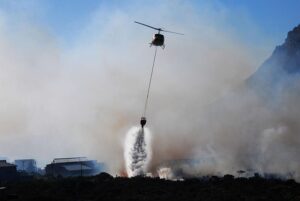
California’s wildfire crisis underscores the urgent need for comprehensive fire prevention strategies. Experts emphasize that climate change, outdated infrastructure, and insufficient fire management policies have exacerbated the intensity and frequency of wildfires. Moving forward, the state must adopt aggressive measures to mitigate future disasters, including:
- Stricter Utility Regulations: Holding power companies accountable for maintenance failures.
- Increased Controlled Burns: Reducing dry vegetation to minimize fire fuel.
- Enhanced Emergency Response Systems: Improving real-time fire detection technology and evacuation protocols.
- Investments in Climate Resilience: Strengthening infrastructure to withstand extreme weather events.
Conclusion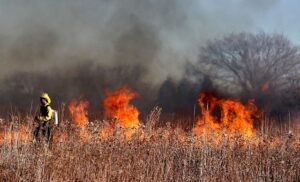
California’s wildfire crisis is a stark reminder of the growing threat posed by climate change and human negligence. While the immediate danger has passed, the true challenge lies in recovery, accountability, and ensuring that such disasters do not continue to escalate in severity.
State officials, environmental groups, and affected communities must collaborate to implement lasting solutions that prioritize both fire prevention and disaster preparedness. Only through decisive action can California hope to break the cycle of devastation and build a more resilient future.