




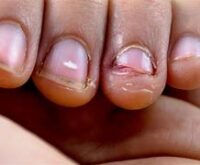
Craving Nail Bites? Here’s Why You Shouldn’t Ignore It

👀 The Urge You Don’t Talk About Out Loud
You’re sitting at your desk, lost in thought—and there it is again. That subtle, unstoppable itch to bring your fingers to your mouth. Bite. Bite. Bite. You don’t know why, but it’s always been there. It’s frustrating. Embarrassing. And yet, weirdly satisfying.
But let’s be clear: this craving nail bite pattern isn’t something to shrug off. It’s not just “a bad habit.” It’s a loud whisper from your brain—and it deserves attention.
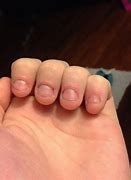

We’re not here to sugarcoat it. If you constantly craving nail bite, something inside is unsettled. This isn’t about having no self-control—it’s about not asking the right questions. Nail biting is often treated like a minor issue, but it could be your mind’s way of waving a red flag.
So why do you crave nail bites? Let’s break it down—blunt, honest, and eye-opening.
🚩 Your Fingers Are Saying What Your Mouth Won’t
1. You’re Not Managing Stress—You’re Masking It

This is the elephant in the room. You crave nail bites when your stress levels spike—especially when you don’t process that stress. It’s a physical release for emotional chaos.
But here’s the problem: every time you go for that bite, you’re telling your system “I’m not okay—but let’s not deal with it right now.” That loop never ends until you break the silence with yourself.
2. Your Brain Is Hooked on the Fix
The action gives a quick dose of dopamine—a tiny rush, a fleeting relief. That’s why your craving nail bite behavior becomes so addictive. It feels like a solution in the moment. But long-term? It creates guilt, discomfort, and insecurity.


Many who bite their nails haven’t given a name to their anxiety yet. But it lives there—under the surface. Nail biting becomes the only way their body expresses what they’ve never verbalized.
So ask yourself: what emotion are you trying to escape with this bite?
4. There Could Be a Nutritional Story

Though it’s rarely discussed, your craving nail bite pattern might also be tied to missing nutrients. Deficiencies in magnesium, zinc, or B vitamins can impact your nervous system and make you fidgety or restless. Your body craves balance—but expresses it in odd ways.
🛑 Why Ignoring the Habit Makes It Stronger
You can’t shame your way out of a craving. Especially not a subconscious one. The more you suppress the urge to bite, the more it builds tension. You need to understand it before you can transform it.
If your craving nail bite cycle has been haunting you for years, this is your moment to stop minimizing it. Every habit has a heartbeat—listen to what yours is saying.
✋ Break the Pattern Without Breaking Yourself

-
Keep your hands busy, not guilty. Use a fidget cube, clay, or textured fabric when the urge hits. Redirect, don’t restrict.
-
Breathe first, react second. Nail biting often bypasses awareness. When you feel the craving, pause. Take 3 deep breaths. Interrupt the autopilot.
-
Create a comfort ritual. Replace the bite with a mini ritual that calms you—tea, journaling, finger massage. Train your nervous system to find peace elsewhere.
-
Check your intake. A multivitamin or a tweak in your diet could calm the inner unrest. If your body’s needs are unmet, it will whisper louder until you act.
🌱 Healing Starts With Awareness, Not Willpower

You’re not weak because you craving nail bite often. You’re human. But staying stuck in this habit without asking why? That’s the real danger.
Let this be the moment you take back control—not by forcing yourself to stop, but by understanding why you start.
Your fingers don’t need to bleed to get your attention. You’re allowed to outgrow the pattern. You’re allowed to listen to your body without judging it.
🧩 Final Word: Every Bite Tells a Story—Are You Listening?
You don’t need to be ashamed of your craving nail bite behavior. But you also don’t need to keep feeding it. Start small. Stay curious. The craving won’t vanish overnight—but awareness shifts everything.
You’re not just stopping a habit—you’re learning to respond to yourself with clarity, not compulsion.