
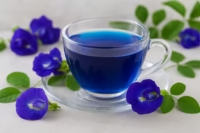
Astonishing Facts About Blue Tea [Butterfly Pea Flowers / Aparajita] That You Never Knew
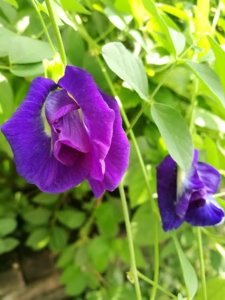
A Colorful Beginning – Where Blue Tea Truly Originated
Blue tea, also called butterfly pea flower tea, is not just a trendy drink you see on Instagram—it has a rich cultural story. Originating from Southeast Asia, especially Thailand and Malaysia, this vibrant drink is brewed from the petals of Clitoria ternatea. Unlike green or black teas that are made from tea leaves, blue tea stands out because it comes from a flower. Its striking indigo shade and subtle earthy taste have made it both a traditional remedy and a modern wellness favorite.
Historical Roots of Aparajita Tea
Blue tea didn’t suddenly appear in modern wellness culture; it has a rich heritage.

-
🌿 In Thailand, it’s a traditional welcome drink, often served with honey and lemon.
-
🌸 In India, Aparajita flowers are considered sacred and offered in prayers.
-
📖 In Ayurveda, the flower has been used for enhancing memory, calming stress, and balancing mood.
Its journey from a sacred flower to a global wellness trend is nothing short of fascinating.
How Blue Tea Became a Global Health Craze
The journey of blue tea from village remedies to high-end wellness cafés is fascinating. Traditionally, locals believed it improved eyesight, reduced stress, and promoted memory. Today, researchers and wellness enthusiasts are exploring its antioxidant properties, digestive benefits, and calming effects. Social media also played a big role—people love posting its magical color-changing property (add lemon, and the tea turns purple!).
Facts About Blue Tea – Good or Bad?
✨ The Good Side of Blue Tea
-
🌸 Rich in antioxidants that fight free radicals.
-
🧘 Naturally caffeine-free, perfect for stress relief.
-
💧 Supports skin hydration and glow.
-
🧠 Traditionally believed to improve focus and memory.
-
🫀 Some studies suggest it may support healthy blood circulation.
⚠️ The Bad Side You Shouldn’t Ignore

-
🚫 Overconsumption can sometimes cause nausea.
-
🚫 Not recommended in excess during pregnancy.
-
🚫 Those on blood-thinning or diabetic medication should consult doctors.
So, while blue tea has plenty of health perks, it’s not free from caution.
Blue Tea Myths vs Truths
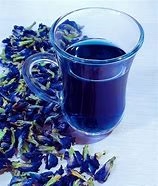
Myth 1: Blue tea is artificially colored.
❌ Wrong! The vibrant blue color is 100% natural and comes from butterfly pea flowers.
Myth 2: Blue tea is just for beauty.
❌ Not true. Beyond skin glow, it supports digestion, memory, and overall wellness.
Myth 3: Blue tea has the same caffeine kick as green tea.
❌ False. Blue tea is completely caffeine-free, making it ideal for stress relief.
Surprising Facts About Blue Tea

Here are some less-known yet fascinating facts about blue tea:
-
🌿 It was used in Ayurveda for centuries as a memory and mood enhancer. Its pH sensitivity makes it a “magical tea” that changes color to purple with lemon juice.
-
🌸 In traditional Thai culture, blue tea is served with honey and lemon as a welcome drink.
-
🧪 Scientists are exploring its potential in anti-aging skincare formulations.
-
🍹 Beyond tea, its extract is used in cocktails, desserts, and even natural food coloring.
-
🌍 The global demand for blue tea is rising fast, making it one of the top herbal exports from Southeast Asia.
Should You Add Blue Tea to Your Lifestyle?
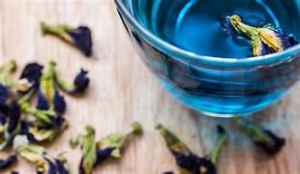
If you’re someone who enjoys herbal teas, blue tea is worth trying. It’s a natural, caffeine-free option that supports relaxation while offering health benefits. However, like any herbal remedy, it should not replace medical advice or prescribed treatments. Think of it as a wellness enhancer rather than a miracle cure.
Final Verdict – Is Blue Tea Just Hype?
Blue tea is not just a fad—it’s a tradition reborn for the modern world. The origin & facts about blue tea prove that it’s more than a pretty drink. With its roots in cultural heritage and its place in modern wellness, it offers a refreshing blend of history, science, and beauty. Just remember: enjoy it in balance, respect its roots, and savor its natural magic.