





How to Grow Tulips in a Bucket: A Comprehensive Guide

Tulips are an iconic symbol of spring, admired for their graceful petals and a wide spectrum of colors. If you don’t have a garden or ample outdoor space but still want to enjoy their beauty, growing tulips in a bucket is the perfect solution. A well-maintained bucket can mimic the natural environment for these flowers, allowing them to thrive and flourish. Here’s an assertive, step-by-step guide to successfully grow tulips in a bucket, ensuring a beautiful and vibrant display.

Growing tulips in a bucket offers several advantages. It provides you with the flexibility to place them wherever you desire—whether it’s on a balcony, patio, or even inside your home. Additionally, buckets allow you to control the growing conditions more effectively than planting in the ground. It’s an ideal method for those with limited garden space or those living in apartments. You can even move the bucket around to adjust sunlight exposure or bring the tulips indoors for an eye-catching display when they bloom.
Choosing the Right Bucket
The first step to successfully growing tulips in a bucket is selecting the right container. Not just any bucket will do. The key requirements for a bucket are:
- Size: Choose a bucket that’s at least 8–10 inches deep, allowing sufficient space for the tulip bulbs to grow and develop their roots. A 12-inch diameter will allow room for multiple bulbs, but remember, tulips need space to expand.
- Drainage: Ensure the bucket has drainage holes. Without proper drainage, water will accumulate, causing the bulbs to rot. If your bucket doesn’t have holes, you can drill a few yourself.
- Material: Plastic or ceramic buckets work best as they hold moisture well while allowing some airflow. Avoid overly porous materials that can dry out the soil quickly.
Selecting Tulip Bulbs
The next critical step is selecting healthy tulip bulbs. The success of your tulip-growing endeavor largely depends on the quality of the bulbs you start with. Here’s how to choose the best:
- Size and firmness: Choose bulbs that are large, firm, and free from any mild or damage. The larger the bulb, the more likely it will produce bigger, more vibrant flowers.
- Variety: There are hundreds of varieties of tulips, so select the one that suits your space. If you are growing tulips in a bucket, opt for early-blooming varieties or dwarf species like Tulip kaufmanniana or Tulip fosteriana, which are better suited for containers.
Preparing the Bucket and Soil
Before planting your tulip bulbs, you need to prepare the bucket and soil properly to provide the right environment for the bulbs to thrive.
- Soil: Use well-draining potting soil for tulips. A mix that contains peat moss, perlite, and compost is perfect for container planting. Avoid garden soil, as it can become compacted in containers, leading to poor drainage.
- Layering: Start by placing a layer of small stones or broken pottery pieces at the bottom of the bucket to ensure water drains freely. Add soil on top, filling about two-thirds of the bucket. Ensure the soil is loose and not packed too tightly to allow good root development.
Planting the Bulbs
Now that you have prepared the bucket and soil, it’s time to plant the tulip bulbs. Follow these steps carefully to ensure proper bulb placement:
- Depth: Dig holes in the soil that are roughly two to three times the height of the bulbs. For example, if your tulip bulb is 2 inches tall, plant it at a depth of about 4 to 6 inches.
- Spacing: Space the bulbs about 2–3 inches apart. You can plant them in a circular pattern or place them in rows, depending on your preference. Crowding bulbs can result in smaller flowers or poor growth.
- Positioning: Place the bulbs with the pointed end facing upward. This ensures that the shoots grow toward the light when they emerge.
- Cover and Water: Once all the bulbs are planted, cover them with soil, ensuring the tips of the bulbs are fully covered. Water the soil thoroughly, but ensure there is no standing water at the bottom of the bucket.
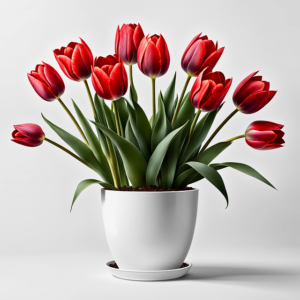
Tulips require a specific care regimen to thrive, especially when grown in a container. Here are some essential care tips to follow:
- Watering: Tulips like moisture but don’t do well in waterlogged soil. Water the bulbs thoroughly after planting, and then maintain consistent moisture levels without allowing the soil to dry out completely. Check the soil regularly and water when the top inch feels dry.
- Sunlight: Place your bucket in a location that receives at least 4-6 hours of direct sunlight per day. Tulips need plenty of light to bloom beautifully. If growing indoors, a south-facing window is ideal.
- Temperature: Tulips need a period of cold dormancy to bloom. In regions with mild winters, you may need to refrigerate the bulbs for 6–8 weeks before planting. For colder climates, outdoor planting in buckets may naturally provide the required chill.
- Fertilization: Apply a balanced, slow-release fertilizer in early spring when the tulips start growing. This provides the necessary nutrients for healthy growth and blooming.
Dealing with Challenges
While tulips are relatively easy to grow, certain challenges can arise when growing them in a bucket:
- Pests: Watch for pests such as aphids or slugs, which can damage the flowers. Use natural insecticides or gently wash the plants with a mild soap solution.
- Root Rot: Ensure that your bucket has proper drainage, and avoid over-watering. Root rot can be a major problem if the soil remains too wet.
- Flowering Issues: If your tulips fail to bloom, it could be due to insufficient sunlight or improper chilling. Ensure the bulbs have received enough cold treatment (if necessary) and adjust their sunlight exposure accordingly.
Enjoying Your Blooms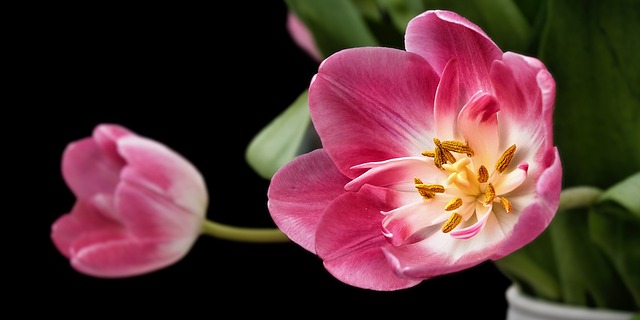

Tulips typically bloom in early to mid-spring, depending on the variety and your climate. Once your tulips start to flower, you’ll be rewarded with stunning blooms that can brighten up any space. Be sure to regularly remove spent flowers to encourage healthy growth and prevent the plant from focusing energy on seed production.
Once the flowers have finished blooming, allow the foliage to die back naturally. Do not cut the leaves off prematurely as they are still photosynthesizing and providing nutrients to the bulb for next year’s growth.
Growing tulips in a bucket is an excellent way to enjoy the beauty of these flowers without the need for a traditional garden. By following the steps outlined in this guide—choosing the right bucket, soil, and bulbs, and providing the necessary care and attention—you can cultivate a thriving tulip garden in any space. With patience and attention, you’ll have a stunning display of tulips to enjoy year after year, right at your doorstep.
One thought on “How to Grow Tulips in a Bucket: A Comprehensive Guide”