



How To Remove Stains on Wood Without Losing Your Mind

🚫 That Ugly Mark Isn’t Permanent—Unless You Ignore It
So, you’ve spilled coffee on your favorite wooden table. Or maybe your kid decided to turn it into an art canvas. You scrubbed. You sighed. And now that stain just stares at you. Frustrating, isn’t it?
But let’s get one thing straight—you can remove stains on wood. You just need the right approach, not more elbow grease.
🧠 Why Most People Get It Wrong
The biggest mistake people make is treating wood like tile or steel. News flash: wood has memory. It absorbs, it reacts, and it holds grudges. That’s why random scrubbing or bleach-based hacks usually backfire. Instead of solving the problem, they leave your surface dull, scratched, or permanently discolored.
To remove stains on wood without causing more drama, you need to approach it like you’re speaking the wood’s language. Calm. Smart. Strategic.

Not all stains are created equal. Before attacking the mark, figure out what you’re dealing with:
-
Water rings from cups or vases
-
Heat stains from hot plates or mugs
-
Oil-based spills like food grease or lotion
-
Ink and dye disasters (thanks, permanent marker)
-
Dark set-in stains that have lived rent-free for too long
Understanding the type helps you craft the right game plan to remove stains on wood efficiently.
⚙️ Your No-Nonsense Action Plan
Let’s cut through the fluff. Here’s what works—tested, real, and no-nonsense.
1. White Ring? Attack It With Contrast
Ironically, to fight water with water, try steam. Lightly dampen a cloth, place it over the ring, and run a warm iron over it for 5–10 seconds. The heat pulls moisture out without burning the wood. Magic? No—just understanding science.
2. Oil Stain? Time to Draw It Out
For greasy intruders, sprinkle baking soda over the stain and add a few drops of lemon juice or vinegar. Let it sit for 15 minutes. Gently wipe with a soft cloth. The stain will lift because you’re pulling the oil, not pushing it around.
This technique alone can help remove stains on wood like they were never there.
3. Ink or Dye? Bring in the Alcohol

No, not the drinking kind. Isopropyl alcohol (rubbing alcohol) applied with a cotton swab can break down pigments. Dab, don’t rub. And test in a small area first. Ink doesn’t stand a chance when you stay precise.
4. Dark Set-In Stains? Be Gentle but Relentless
For deep stains, use a paste of fine-grade wood-safe abrasive (like toothpaste mixed with baking soda). Apply with a microfiber cloth using small circular motions. You’re not scrubbing—you’re coaxing. Done right, this can help remove stains on wood that have haunted you for years.

-
Don’t use bleach. It discolors and dries out wood.
-
Avoid steel wool—it scratches and ruins texture.
-
Stop rubbing aggressively. You’re not sanding a floor.
-
Skip vinegar bombs or over-the-top Pinterest hacks. Wood deserves better.
🧼 Keep It Clean Going Forward
Once you’ve successfully remove stains on wood, protect your efforts:
-
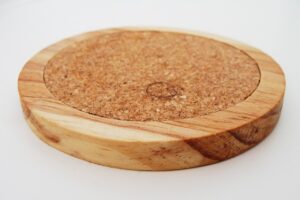
Use coasters. Always.
-
Wipe spills immediately—don’t give them time to soak.
-
Polish with a wood conditioner monthly to maintain sheen and texture.
-
Keep heat and wet items off bare wood.

A clean surface is great. But a protected surface? That’s long-term success.
🧩 Final Take: Stains Don’t Own Your Wood—Unless You Let Them
You don’t need expensive cleaners or dramatic DIY drama. You just need to understand how wood behaves—and respond with the right tactics.
Next time you’re facing an unsightly mark, don’t panic. Be deliberate. Be calm. And be smarter than the stain.
If you’re determined, you will remove stains on wood—without wrecking your table or your mood.