

List Your Monthly Household Needs the Right Way

List Your Monthly Household Needs the Right Way


🧾 Chaos in the Kitchen? It Starts With Poor Planning

Ever find yourself staring into the fridge, wondering why there’s five bottles of ketchup but no milk? Or spending hours in the store, only to forget what you actually needed? That’s not forgetfulness. That’s disorganization.

And the fix isn’t harder than you think—it starts with a smarter, structured approach to listing your monthly household needs.

Let’s be clear: random shopping is expensive, time-consuming, and chaotic. But building a functional system for listing your monthly household needs can give your household the calm it deserves.


❌ Why Most People Get It Wrong

Here’s the brutal truth—most people confuse shopping lists with household planning. A scribbled note before rushing to the supermarket doesn’t count. Neither does adding random items to your phone’s notes app without checking what you already have.

Monthly household needs aren’t just about food. They’re about survival, comfort, hygiene, maintenance, and emotional wellness. If you’re not approaching this like a mission, you’re wasting money, energy, and mental peace.


🎯 Get Ruthlessly Intentional

Forget wish lists. You need an essentials framework. And that means asking the right questions:

  • What do we use every single day?

  • What breaks or runs out every month?

  • What season or event is coming up that changes our usage?

  • Where are we overspending because we forget to track?

Your list should be a reflection of your lifestyle—not someone else’s Pinterest-perfect pantry.

This isn’t about aesthetics. It’s about function. It’s about controlling your household, not letting it control you.


🧠 The Smart Way to List Your Monthly Household Needs

Ready to ditch the chaos? Here’s how to break it down like a pro:

1. Segment Your Needs, Not Just Your Shelves

Divide your monthly household needs into categories:

  • Food staples (rice, flour, oils, spices)

  • Fresh produce & perishables (weekly rotation)

  • Cleaning & laundry (detergents, dish soap, scrubs)

  • Toiletries & hygiene (toothpaste, soaps, pads, razors)

  • Pet supplies (if applicable)

  • Home maintenance (bulbs, batteries, repair items)

  • Emergency stock (meds, candles, power banks)

This isn’t over-organizing. It’s survival-level strategy.

2. Audit Before You Add

The biggest mistake in managing your monthly household needs? Duplicates and blind buys. Before you add anything to your list, check your cabinets. Do a mini inventory. Create a habit: nothing goes on the list without checking its status.

3. Use a Master List That Lives and Breathes

Have a master spreadsheet, whiteboard, or shared phone note that’s updated in real time. Don’t rely on memory. Your brain is for thinking, not storing inventory.

Make this your household command center. When anyone finishes something, they add it. No questions asked.

4. Match Your Budget to Your Reality

Don’t list blindly—list smart. Look at last month’s expenses. What were the surprises? What did you overbuy? Use that insight to plan better this month. Listing your monthly household needs isn’t just about what you want—it’s about what you learn.

5. Factor in Life Events and Seasons

Planning a party? Expecting guests? Diwali or school holidays coming up? Your needs will spike. Adjust accordingly so you’re not panic-buying at the last minute (and overspending like crazy).


🏆 Why This Method Wins Every Time

When you consistently track and list your monthly household needs, here’s what happens:

  • You spend less.

  • You shop smarter.

  • You reduce waste.

  • You stress less.

  • You stop relying on memory.

That’s not just efficiency—that’s freedom. The freedom to run your home like a boss instead of reacting like a firefighter every time something runs out.


🔚 Final Thought: Order is Power

You don’t need another fancy app. You don’t need a printable with flowers on it. You need a mindset shift. Listing your monthly household needs is a non-negotiable if you value time, money, and peace of mind.

So stop winging it. Stop assuming you’ll remember. Start listing like your household depends on it—because it does.


Fashion Sense in Millennials: A Rebirth of Style and Values

Fashion Sense in Millennials: A Rebirth of Style and Values

Millennials, a generation born between 1981 and 1996, have disrupted the fashion world in ways that cannot be overstated. Their approach to style has evolved far beyond the traditional notions of clothing, with a clear focus on individuality, inclusivity, and sustainability. In Budget 2025 and beyond, the millennial generation continues to redefine what it means to dress well, making fashion not just an aesthetic choice, but an expression of their values and beliefs.

Fashion as a Canvas for Personal Expression

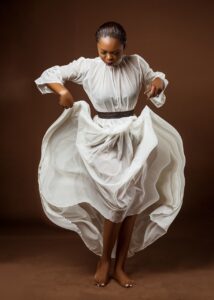
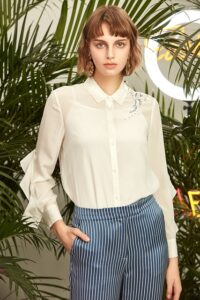
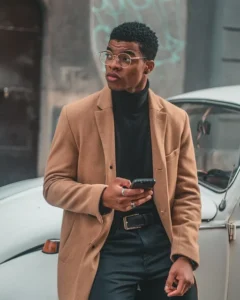
Millennials have elevated fashion into an art form. Unlike previous generations, who often adhered to mainstream trends and brand loyalty, millennials prioritize personal expression through their clothing. Fashion Sense in Millennials has become a tool for showcasing identity rather than merely following the rules. The current millennial wardrobe speaks to the spirit of experimentation, with individuals mixing high-end luxury items with affordable, street wear-inspired pieces.

This generation doesn’t just follow fashion; they create it. Their style choices often defy traditional expectations, with many opting for non-conventional garments, bright color palettes, and even gender-fluid clothing. Millennials know that fashion is about much more than aesthetics—it’s a reflection of who they are, where they come from, and where they are going. The rise of subcultures, from punk to hip-hop influences, demonstrates that millennials see their wardrobe as a medium for self-expression, shattering the idea of a “universal” style and embracing diverse, personalized fashion.

Sustainability at the Forefront of Fashion

Perhaps one of the most significant shifts in millennial fashion is the movement towards sustainability. This generation is not just concerned with how their clothes look, but with the impact they have on the environment and society. As consumers become more informed about the devastating environmental effects of fast fashion, millennials are prioritizing ethical fashion choices.

Sustainable practices are now a core part of the Fashion Sense in Millennials ethos. They prefer brands that are transparent about their sourcing, manufacturing processes, and environmental footprint. From clothing made of organic materials to companies that offer repair and recycling services, millennials are actively making choices that reflect their desire for a cleaner, greener world. They embrace thrifting, vintage shopping, and up cycling as means of reducing waste while maintaining a fresh sense of style.

Moreover, this generation has pushed for fashion to be more inclusive of both environmental and social justice, seeking out brands that provide fair wages, ethical working conditions, and give back to local communities. By choosing sustainable fashion, millennials are sending a strong message: style doesn’t have to come at the expense of the planet or people’s well-being.

Tech-Savvy Shopping and Social Influence

Millennials’ relationship with fashion is deeply intertwined with technology. The rise of online shopping, social media platforms, and digital influencers has revolutionized the fashion industry. These platforms have made it easier for millennials to discover new styles, share their looks, and even influence global trends. Social media, particularly Instagram, has become a runway where everyday users showcase their personal style, inspiring millions and helping to democratize fashion.

Online shopping has provided millennials with unprecedented access to global brands and a wider variety of options. With just a few clicks, they can shop from international brands, explore smaller boutique shops, and find pieces that suit their unique tastes. E-commerce has also enabled more sustainable shopping practices, as millennials are drawn to brands that prioritize Eco-friendly production methods and offer a seamless online shopping experience.

Furthermore, the emergence of virtual fashion and augmented reality (AR) shopping experiences hints at the future of fashion for millennials. The lines between the digital and physical worlds are blurring, allowing millennials to try on clothes virtually, browse digital-only collections, and participate in the creation of fashion through online platforms.

Comfort as a Core Value: Athleisure and Beyond

Millennials have fundamentally altered the way society views comfort in clothing. The “athleisure” trend, which merges athletic wear with casual, everyday outfits, is a clear indication of how millennials have brought functionality into the spotlight. Clothing that allows them to be active, yet stylish, fits perfectly within their fast-paced lives, where comfort is key, but so is looking good.

However, this shift is not just about athleisure. Millennials have blurred the lines between formal and casual attire, embracing loose-fitting, comfortable garments such as oversized shirts, relaxed pants, and flat shoes. The emphasis is not just on looking good but on feeling good. Mental and physical well-being have become essential factors in millennials’ approach to fashion, leading to a more holistic view of style. Comfortable doesn’t mean slovenly—it’s a reflection of a generation that values both their body and their time.

Breaking Down Barriers: Inclusivity and Diversity

Inclusivity is at the heart of millennial fashion. Gone are the days of one-size-fits-all standards. Millennials demand a fashion industry that is diverse and caters to all body types, genders, and identities. The rise of gender-neutral clothing is perhaps one of the most defining features of this inclusive approach, with more brands offering unisex lines and challenging traditional gender norms.

This generation has also seen an expansion in size-inclusive fashion, with many brands offering extended size ranges and ensuring that clothing is designed for all body shapes. Millennials are rejecting narrow beauty standards and advocating for diversity in the fashion industry. This has led to a more inclusive and accessible market, where everyone, regardless of shape, size, or background, can find clothing that makes them feel empowered.

The Influence of Nostalgia: Past Meets Present

Millennials are known for their nostalgic tendencies, and this is reflected in their fashion choices. The resurgence of 90s-inspired pieces like baggy jeans, graphic tees, and bucket hats demonstrates how this generation celebrates the past while making it relevant to modern tastes. Millennials are experts at taking trends from yesteryear and remixing them with current styles to create something fresh and exciting.

This retro influence is not just about aesthetics; it’s about reconnecting with a time that felt simpler, more carefree, and personal. Millennials’ embrace of nostalgia is a way to tap into memories and experiences, crafting a wardrobe that resonates with their emotional connection to the past.

The Future of Millennial Fashion

As the millennial generation continues to age, their influence on fashion is expected to intensify. Their focus on sustainability, inclusivity, and personalization will likely shape the fashion industry for years to come. With technological innovations like AI, virtual fashion, and digital-only collections on the horizon, millennials will remain at the forefront of fashion evolution.

In the future, Fashion Sense in Millennials will be more about making a statement that aligns with one’s values. Millennials have proven that Fashion Sense in Millennials is not simply about the latest trends but about how clothing reflects a person’s identity, beliefs, and aspirations. As this generation continues to reshape the fashion world, it will likely pave the way for even more significant changes in how we dress, shop, and express ourselves through fashion.

Millennials have already redefined what it means to have style. In doing so, they’ve made it clear that fashion is no longer a one-dimensional pursuit—it’s an ever-evolving blend of self-expression, sustainability, and inclusivity. And this, perhaps more than anything, is the legacy of Fashion Sense in Millennials.

Exit mobile version