
Shashi Tharoor’s Response to Donald Trump: A Politician’s Assertive Rebuttal

Shashi Tharoor’s Response to Donald Trump: A Politician’s Assertive Rebuttal:
The clash of ideologies between Shashi Tharoor, the Indian Member of Parliament, and former U.S. President Donald Trump is a reflection of the broader geopolitical tensions that shape the modern political landscape. When Trump made disparaging remarks about India’s environmental policies and leadership, Tharoor, known for his eloquent and sharp commentary, didn’t hesitate to counter the accusations. This article dives into the essence of Tharoor’s response, highlighting his political acumen, his defense of India’s policies, and the contrasting political approaches between the two figures.

Trump’s Remarks: A Misinformed Perspective

Donald Trump’s comments about India were not unexpected given his history of controversial statements. During his tenure as the U.S. president, Trump often made sweeping claims about various countries, portraying them in a negative light, often without a nuanced understanding of their complexities. In his remarks about India, Trump criticized the nation’s environmental record and accused it of not doing enough to tackle climate change. He claimed that India’s leaders were more concerned with their economic growth than addressing global environmental challenges, reflecting an outdated and misinformed understanding of India’s policies.

This reductionist viewpoint failed to take into account the strides India has made in addressing climate change, particularly in the areas of renewable energy development, environmental conservation, and international cooperation on environmental issues. Tharoor, an advocate for informed political discourse, was quick to set the record straight.

Tharoor’s Assertive Response: A Defense of India’s Progress

Tharoor’s response to Trump was assertive, fact-driven, and delivered with a clarity that left no room for ambiguity. He emphasized that India’s environmental policies and commitments to tackling climate change are among the most progressive in the developing world. Unlike Trump’s mischaracterization of India’s approach, Tharoor pointed out that India is a signatory to the Paris Agreement and has set ambitious goals to increase its renewable energy capacity. By 2030, India aims to generate 50% of its electricity from non-fossil fuel sources and reduce the carbon intensity of its economy by 30-35% from 2005 levels.

Moreover, Tharoor addressed the challenges India faces in balancing its development needs with environmental concerns. He acknowledged that while India’s development trajectory is still in its nascent stages compared to developed countries, it has nonetheless made significant strides in reducing its carbon footprint while lifting millions of people out of poverty. The Indian government’s push towards electric vehicles, renewable energy, and the implementation of sustainability-focused policies were all key points Tharoor underscored in his defense.

A Clash of Ideologies: Globalism vs. Nationalism

At the heart of Tharoor’s response is a confrontation of ideas between globalism and nationalism. While Trump’s rhetoric has been predominantly nationalist—prioritizing America’s interests and asserting that global agreements often disadvantage the U.S.—Tharoor has consistently championed global cooperation. Tharoor believes in a world where nations work together, leveraging their individual strengths to tackle shared global challenges. He’s often vocal about the need for multilateralism and cooperation between developed and developing nations.

In contrast, Trump’s “America First” agenda has been built around a belief that the United States should retreat from global commitments, pursuing policies that primarily benefit the country’s immediate economic and political interests, regardless of their international impact. This stark difference in approach becomes evident when looking at the broader context of their comments on global issues. While Trump’s policies often sought to isolate the U.S. from global agreements and partnerships, Tharoor consistently advocates for policies that emphasize the importance of collective action, particularly when it comes to global challenges like climate change, pandemics, and geopolitical instability.

Tharoor’s push for collaboration is grounded in the recognition that no country can thrive in isolation in the 21st century. He asserts that the best way forward is through dialogue, shared responsibility, and a deep respect for diverse perspectives. By positioning himself as an advocate for globalism, Tharoor aims to challenge the dangerous allure of nationalism that has taken hold in many parts of the world.

The Importance of Leadership in Global Climate Action

Tharoor’s rebuttal to Trump was not merely a defense of India’s position but also a broader call for responsible leadership in global climate action. Tharoor pointed out that climate change is a global issue that transcends borders, and it is vital for countries—especially major economies like the U.S. and India—to lead the charge in combating it. He stressed that Trump’s dismissive stance on climate change, particularly his withdrawal from the Paris Agreement, had undermined international efforts to tackle one of the most pressing challenges of our time.

India, despite its developing status, has taken on a leadership role in global climate discussions, advocating for the needs of the Global South. Tharoor’s reference to India’s position in these discussions highlighted the country’s pragmatic approach to sustainable development—one that balances economic growth with environmental responsibility. He pointed out that India’s rising global influence is rooted in its leadership on issues like climate justice and sustainable development.
Conclusion: Tharoor’s Call for Informed Dialogue

In the end, Shashi Tharoor’s response to Donald Trump’s comments was not just about correcting inaccuracies but about reaffirming the importance of informed political dialogue. Tharoor’s response was both a defense of his country and a broader critique of the nationalist rhetoric that has been popularized in recent years. By championing global cooperation, he not only countered Trump’s divisive perspective but also highlighted the need for a more inclusive and nuanced approach to international relations.

As the world grapples with challenges that no country can solve alone, leaders like Tharoor are calling for a future where dialogue, collaboration, and respect for diverse nations’ needs take precedence over isolationist tendencies. Tharoor’s assertive rebuttal serves as a reminder that leadership in the modern world requires a balance of national priorities with global responsibilities—a message that continues to resonate in today’s increasingly interconnected world.

Indian Budget 2025: A Bold Leap Toward Economic Transformation

Indian Budget 2025: A Bold Leap Toward Economic Transformation:

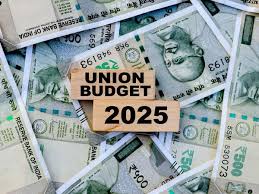
The Union Budget for 2025 has introduced exciting and forward-thinking measures aimed at transforming India’s economy. With a clear focus on agriculture, manufacturing, infrastructure, and the middle class, the budget is set to drive growth and innovation across the nation. Let’s dive into what this bold budget means for the future of India.

Agriculture Gets a Boost: Empowering Farmers and Rural India

Agriculture is the foundation of India’s economy, and the 2025 budget makes it clear that the government is serious about improving this crucial sector. A range of initiatives has been introduced to enhance farm productivity, particularly for pulses and cotton. By introducing new technologies, better irrigation systems, and post-harvest infrastructure, farmers will be equipped with the tools to increase their yield while cutting down on waste.

The goal is not just to improve the lives of farmers but to make Indian agriculture more sustainable and profitable. With these measures, farmers can expect better incomes and more efficient farming practices, making India more competitive in the global agricultural market.

Manufacturing Takes Center Stage: ‘Make in India’ Gets a Strong Push

India’s manufacturing sector has the potential to be a global leader, but it has faced challenges in terms of outdated infrastructure and complex regulations. The 2025 budget addresses these issues head-on by launching the National Manufacturing Mission. This mission is designed to boost domestic production, improve supply chains, and introduce smart manufacturing practices.

The government is also incentivizing businesses to set up operations in India, providing tax breaks and cutting down bureaucratic red tape. These moves will not only create millions of new jobs but will also help India reduce its dependency on imports. With manufacturing driving a larger share of the GDP, India will be able to become more self-reliant while increasing its global competitiveness.

Middle-Class Empowerment: A New Income Tax Structure and More Disposable Income

The middle class is the backbone of India’s economy, and the 2025 budget acknowledges its importance by introducing measures to empower them. One of the most significant changes is the overhaul of the income tax structure, designed to reduce the tax burden and put more money in the hands of middle-class families.

With lower tax rates and direct cash transfers, households will have more disposable income to spend, which will boost demand across sectors like housing, retail, and automobiles. Additionally, new job opportunities are expected to emerge as a result of the government’s focus on skill development and employment-linked incentives for businesses. These changes will strengthen the purchasing power of the middle class, fueling India’s economic growth.

Transforming Infrastructure: Smart Cities, Better Roads, and More

India’s infrastructure has long been a roadblock to its growth, but this budget promises a new era of development. The government has committed substantial funds to upgrade both urban and rural infrastructure, improving transportation, housing, and utilities across the country.

A major focus will be on creating smart cities with modern amenities like affordable housing, efficient public transport, and reliable utilities. The government is also investing in upgrading India’s ports, airports, and railways to make sure the country’s infrastructure can support economic growth for years to come. This will not only improve mobility but also generate jobs and make India a more attractive place for business.

In rural areas, the government is improving road networks and water supply systems, ensuring that even the most remote parts of the country are connected to economic opportunities.

Digital India: Driving Innovation and Skilling the Workforce

The 2025 budget is also focused on India’s digital future. With the rise of technology and the digital economy, the government is making significant investments in digital infrastructure. By expanding internet access in rural areas and supporting tech startups, India is set to become a leader in the digital economy.

Additionally, the budget has allocated funds for skill development programs, ensuring that the workforce is ready for the future. These programs will teach young Indians valuable skills in fields like artificial intelligence (AI), machine learning, and data analytics, preparing them for the jobs of tomorrow.

Fiscal Discipline: Growth Without Compromising Stability

While the government is focused on growth, it is also ensuring that fiscal discipline remains a priority. The fiscal deficit target for 2025 is 4.4% of GDP, a slight reduction from the previous year. This shows that the government is committed to reducing the gap between spending and revenue while supporting key sectors.

Efforts will be made to streamline expenditure and eliminate unnecessary subsidies, ensuring that public funds are used effectively to drive growth.

A Roadmap for India’s Bright Future

The Indian Budget 2025 lays the foundation for a stronger, more self-reliant India. With bold initiatives to boost agriculture, manufacturing, infrastructure, and digital innovation, the government has set the stage for long-term growth. By empowering the middle class and focusing on sustainable development, India is on track to become a global economic powerhouse.

This budget is more than just a financial plan; it is a vision for India’s future. By focusing on inclusive growth, job creation, and fiscal responsibility, the government has given the country the tools it needs to succeed on the world stage. The road ahead is full of opportunities, and with the right strategies in place, India is poised for a prosperous future.

DeepSeek: China’s Disruptive AI Powerhouse

DeepSeek: China’s Disruptive AI Powerhouse:

Introduction

DeepSeek has rapidly emerged as a formidable player in the artificial intelligence (AI) landscape, challenging the dominance of Western AI models. Backed by Chinese hedge fund High-Flyer and headquartered in Hangzhou, Zhejiang, DeepSeek is pioneering AI advancements with a focus on efficiency, cost-effectiveness, and open-source accessibility.

Revolutionizing AI with Cost-Effective Models

In January 2025, DeepSeek introduced DeepSeek-R1, a large language model (LLM) designed to rival OpenAI’s GPT-4o. What sets DeepSeek apart is its efficiency—training costs were a fraction of its competitors, with estimates around $6 million, compared to the staggering $100 million spent on GPT-4. Additionally, DeepSeek-R1 operates with just 10% of the computing power required by similar models, making it a game-changer in AI scalability.

Following this breakthrough, DeepSeek launched DeepSeek-V3, further refining inference speeds and achieving superior performance on global AI benchmarks. The model has positioned itself as the leading open-source LLM while competing with some of the most advanced proprietary AI systems in the industry.

Shaking Up the Tech Industry

DeepSeek’s advancements have sent shockwaves through the global technology sector. Its rise has led to major market shifts, including a significant drop in Nvidia’s stock value. Investors, recognizing the potential of DeepSeek’s cost-efficient AI, have reassessed their positions in response to the startup’s rapid ascent. This disruption underscores China’s growing influence in AI innovation and its ability to challenge established tech giants.

Controversies and Ethical Concerns

Despite its success, DeepSeek has faced scrutiny over allegations of intellectual property violations. Originality AI, a tool designed to detect AI-generated content, has flagged DeepSeek’s outputs with a 99.3% match to ChatGPT, raising concerns about potential data replication. While DeepSeek has not publicly addressed these claims in detail, the controversy highlights the ongoing tensions in AI development regarding data sourcing and ethical boundaries.

The Geopolitical Implications of DeepSeek’s Rise

DeepSeek’s rapid growth is not just a technological story—it is a geopolitical statement. With China heavily investing in AI, DeepSeek’s success signals the country’s determination to lead the global AI race. This development has reignited debates about open-source AI versus national security concerns. While some advocate for transparency in AI research, others warn that unrestricted sharing of AI breakthroughs could lead to misuse, drawing comparisons to historical scientific projects with profound global consequences.

The Future of AI with DeepSeek

DeepSeek has proven that innovation is not confined to Silicon Valley. Its ability to develop powerful, cost-effective AI models is reshaping the competitive landscape. As DeepSeek continues to refine its technology and expand its influence, it stands as a major force in shaping the future of artificial intelligence. The world must now grapple with the implications of a more balanced, multipolar AI ecosystem—one where China is no longer just a competitor, but a leader.

Navigating India’s Credit Card Policies in 2025: What You Need to Know

Navigating India’s Credit Card Policies in 2025: What You Need to Know

As we move through 2025, the credit card landscape in India is undergoing substantial changes driven by regulatory updates, new technologies, and evolving consumer preferences. The year ahead will see a stronger focus on digital transformation, consumer protection, and financial inclusion, making this an exciting period for credit cardholders and financial institutions alike. Let’s explore the emerging trends and policies set to shape India’s credit card industry this year.

  1. Strengthening Digital Payment Ecosystem

One of the most significant shifts in India’s credit card policies is the continued integration of digital payment platforms. With the Indian government prioritizing a cashless economy, credit card issuers are focusing more on digital wallets, UPI, and contactless payments. Consumers are increasingly using their credit cards for everyday transactions via apps like Google Pay, Paytm, and PhonePe. In response, many banks are offering enhanced rewards and cashbacks on digital transactions, further encouraging the use of credit cards for online purchases.

In 2025, expect further collaborations between fintech startups and traditional banks. As a result, credit cards may be linked with more personalized digital platforms that track spending habits and help users manage their credit more efficiently.

  1. Regulatory Reforms for Consumer Protection

India’s credit card market has seen exponential growth in recent years, but with growth comes the need for consumer protection. In 2025, the Reserve Bank of India (RBI) is expected to introduce more stringent guidelines to protect consumers from predatory lending practices. There are also talks of enhancing transparency around annual fees, hidden charges, and interest rates, empowering consumers with better knowledge before they opt for a credit card.

Additionally, the RBI may mandate clearer communication about the terms and conditions attached to credit card offers. This includes clearer breakdowns of reward points, interest rates, grace periods, and repayment policies. Such steps will likely help curb issues like mounting credit card debt, ensuring a safer borrowing environment for consumers.

  1. Rise of Sustainable Credit Cards

As sustainability becomes a priority across industries, the credit card market in India is not far behind. In 2025, we expect more banks and financial institutions to introduce sustainable credit cards that align with environmental and social responsibility. These cards will offer incentives for eco-friendly purchases, such as discounts on electric vehicles or rebates for spending on sustainable brands.

Moreover, the physical cards themselves could be made from biodegradable or recyclable materials, reflecting a broader push for sustainability. For environmentally-conscious consumers, these cards represent a step toward balancing financial needs with ecological values.

  1. AI-Driven Personalization and Security

2025 will mark a significant leap in how artificial intelligence (AI) is used to personalize credit card experiences. AI algorithms will enable card issuers to offer more tailored recommendations based on a cardholder’s spending patterns. Whether it’s offering targeted discounts on categories where the cardholder spends the most or personalized financial advice, AI will make credit card usage more dynamic and customer-centric.

On the security front, AI is expected to bolster fraud detection systems, enabling near-instantaneous identification of suspicious activities. With the rise in online shopping, ensuring secure and seamless transactions will be a priority. Expect advancements in biometric security, such as fingerprint or facial recognition, to become a standard feature on credit cards by the end of 2025.

  1. Financial Inclusion Through Credit Card Innovations

In India, a large portion of the population still remains outside the formal credit ecosystem. However, as part of ongoing efforts to promote financial inclusion, credit card policies are shifting to cater to underserved segments of society. In 2025, banks are expected to adopt more inclusive measures, such as offering lower-interest credit cards with fewer barriers to entry for first-time borrowers or people without formal credit histories.

Additionally, small-ticket, low-limit cards targeted at students and young professionals will become more common. These cards will be designed to help individuals build credit without the pressure of high spending limits, encouraging responsible borrowing behavior. More fintech companies are also entering the credit card space, offering flexible terms and features that traditional banks may not provide, such as “pay-as-you-go” models or cards with no annual fees.

  1. Impact of RuPay and International Partnerships

The National Payments Corporation of India (NPCI) continues to innovate with RuPay, India’s domestic payment card network. In 2025, RuPay will expand its global footprint with more international tie-ups. While RuPay has long been seen as an alternative to Visa and MasterCard, its growing acceptance abroad could make RuPay cards a viable option for international travelers.

Moreover, RuPay cards are expected to come with more perks and advantages in 2025, including better foreign exchange rates, reduced transaction fees on cross-border payments, and partnerships with global loyalty programs. This could position RuPay as a strong competitor in the credit card market, particularly among budget-conscious consumers who wish to avoid hefty international transaction fees.

  1. Financial Literacy Initiatives and Debt Management

With increasing credit card penetration, the need for financial education has never been more pressing. In 2025, expect banks to launch targeted campaigns aimed at improving financial literacy, particularly around managing credit card debt, understanding interest rates, and budgeting.

More institutions may offer financial tools like mobile apps and financial advisors to help users track their credit card usage, set up alerts, and avoid late fees. The aim will be to empower consumers to make better, more informed decisions regarding credit card spending, repayment, and debt management.

Conclusion: A Thriving, Consumer-Centric Future

India’s credit card policies in 2025 reflect a more digital, sustainable, and consumer-centric future. From increased financial literacy and stricter consumer protection measures to the rise of AI-driven personalization and the expansion of financial inclusion, the credit card industry is becoming more accessible, efficient, and secure. As India’s economy continues to grow and the fintech sector gains momentum, credit cards will remain a critical part of the financial landscape, adapting to meet the needs of today’s savvy and socially-conscious consumers.

Tata Motors Stock Plummets: What’s Behind the Sharp Decline?

Tata Motors Stock Plummets: What’s Behind the Sharp Decline?

Tata Motors, one of India’s leading automobile giants, faced a severe blow in the stock market today, with shares tumbling over 9% to a 14-month low. This sharp decline comes in response to the company’s weaker-than-expected Q3 earnings, particularly in its luxury Jaguar Land Rover (JLR) division. Investors have reacted strongly, raising concerns over Tata Motors’ profitability and future growth trajectory.

Key Reasons Behind the Stock Crash

  1. Disappointing Q3 Financial Performance

Tata Motors reported a 22% drop in net profit, with earnings slipping to ₹5,451 crore from ₹7,025 crore a year earlier. This fall was largely driven by:

  • Jaguar Land Rover’s declining pre-tax profit, which fell by 12%.
  • A significant 38% dip in the company’s domestic passenger vehicle earnings.
  • Higher discounts on vehicles, which squeezed margins and impacted overall profitability.
  1. Market Sentiment Turns Bearish

The weak financial results have spooked investors, leading to a wave of selling pressure. Several global brokerages downgraded the stock and slashed their price targets, further denting investor confidence. As a result, the stock hit ₹684.25 per share, marking its lowest level in over a year.

  1. Challenges in the EV and Luxury Markets

While Tata Motors is a dominant player in India’s electric vehicle (EV) segment, its market share has slipped from 73% to 62% due to rising competition from new entrants. Additionally, JLR’s demand outlook remains uncertain:

  • Chinese consumers are shifting towards homegrown brands, impacting JLR sales.
  • European buyers are opting for more affordable alternatives, affecting premium car demand.

What Lies Ahead for Tata Motors?

Strategic Moves to Bounce Back

Despite the current downturn, Tata Motors is making aggressive bets on the future:

  • A $1.5 billion investment in a battery gigafactory, set to go live in 2026, to secure a steady supply of locally made EV batteries.
  • A bold push to increase EV penetration, with a goal to raise EV sales from 12% in 2024 to 30% by 2030.
  • New JLR models and expansion into emerging markets to boost luxury segment revenues.

Investor Outlook: A Short-Term Setback or a Long-Term Opportunity?

While today’s stock plunge is alarming, long-term investors might view this as a buying opportunity if Tata Motors successfully executes its growth strategies. The company’s ability to regain lost EV market share and improve JLR’s profitability will be crucial in determining its stock’s future trajectory.

For now, market sentiment remains cautious, and investors will closely watch upcoming earnings and strategic developments to gauge whether Tata Motors can steer through this rough patch.


Ranji Trophy 2025: The Ultimate Test of Indian Cricketing Supremacy

Ranji Trophy 2025: The Ultimate Test of Indian Cricketing Supremacy

The Ranji Trophy, India’s premier first-class cricket competition, is set to embark on another thrilling season in 2025. With a history spanning over nine decades, this tournament has been the breeding ground for some of India’s finest cricketing legends. However, the 2025 edition promises to be a game-changer, incorporating strategic innovations, fresh talents, and heightened competition.

What Makes Ranji Trophy 2025 Different?

The upcoming season of the Ranji Trophy is not just another edition—it represents the evolution of domestic cricket. Several changes have been introduced to make the tournament more competitive and engaging, both for players and fans.

  1. Revamped Tournament Format

In response to growing competition and the need for a balanced tournament structure, the Board of Control for Cricket in India (BCCI) has restructured the format. The zonal system has been adjusted to create a more level playing field, ensuring that no team gets an unfair advantage due to traditional dominance. Teams will now be divided into performance-based groups rather than geographical zones, making each match highly competitive.

  1. The Rise of Young Stars

With Indian cricket continuously evolving, the Ranji Trophy has become a stepping stone for the next generation of superstars. The 2025 edition will see a major influx of emerging players, many of whom have already shown promise in domestic T20 leagues. Names like Riyan Parag (Assam), Rajvardhan Hangargekar (Maharashtra), and Harshit Rana (Delhi) are expected to make headlines this season. These young talents will be closely watched by national selectors looking for the next batch of Indian cricketing icons.

  1. Pitch and Condition Overhaul

One of the biggest changes in the Ranji Trophy 2025 is the emphasis on diverse playing conditions. Traditionally, Indian pitches have favored spinners, but the BCCI has introduced regulations to ensure a balanced contest between bat and ball. More sporting pitches will be curated to encourage seam and swing bowling, ensuring that pace bowlers get ample assistance, particularly in the northern and eastern parts of India.

Key Teams to Watch in 2025

Mumbai – The Eternal Powerhouse

Mumbai, with its record 41 Ranji Trophy titles, remains a formidable force in domestic cricket. With seasoned campaigners like Ajinkya Rahane and Sarfaraz Khan leading the charge, they are expected to be one of the strongest contenders yet again.

Karnataka – A Balance of Youth and Experience

A team known for its balanced squad, Karnataka will bank on the experience of players like Mayank Agarwal and Devdutt Padikkal. Their solid domestic structure ensures a constant supply of fresh talent, keeping them in the title race every season.

Madhya Pradesh – The Dark Horse

The defending champions from 2022, Madhya Pradesh, have been steadily climbing the ranks. With players like Rajat Patidar and Avesh Khan, they could once again challenge for the top spot.

Punjab – The Underdogs on the Rise

Punjab has often been overlooked as a title-winning contender, but with Shubman Gill and Arshdeep Singh leading the charge, they have the potential to go the distance in 2025.

Tactical Battles to Look Forward To

  1. The Fast Bowling Revolution

While the Ranji Trophy has historically been dominated by spin, the last few seasons have seen a surge in top-quality fast bowlers. Expect fiery spells from Umran Malik (Jammu & Kashmir) and Prasidh Krishna (Karnataka) to challenge even the most accomplished batsmen.

  1. The Battle of Captains

With many Indian Test hopefuls leading their respective states, the strategic depth of captains will be tested. Ajinkya Rahane (Mumbai), Hanuma Vihari (Andhra Pradesh), and Priyank Panchal (Gujarat) will have the added responsibility of proving their leadership credentials.

  1. Spin vs. Aggressive Batting

India has no shortage of world-class spinners in domestic cricket. Ravi Bishnoi (Rajasthan) and Saurabh Kumar (Uttar Pradesh) will be crucial in stopping hard-hitting batsmen like Prithvi Shaw and Yashasvi Jaiswal from dominating matches.

The Road to the Final

The knockout phase of the tournament is expected to be fiercely contested, with every match serving as an audition for national selection. Unlike previous years, where a few teams dominated proceedings, the 2025 season looks unpredictable, ensuring an exciting road to the final.

With enhanced broadcasting, live streaming, and digital engagement initiatives, fans can now follow every ball and be part of the Ranji Trophy journey like never before. Whether it’s a young prodigy announcing his arrival or a veteran making one last push for national selection, the 2025 Ranji Trophy is set to be an unforgettable chapter in Indian cricket history.


Top Players to Watch in 2025

Player Team Strength Expected Impact
Prithvi Shaw Mumbai Explosive Opener Will lead Mumbai’s charge.
Shubman Gill Punjab Technically Solid Punjab’s batting anchor.
Ravi Bishnoi Rajasthan Mystery Spinner Rajasthan’s wicket-taking machine.
Shivam Dube Maharashtra Power-Hitter Allrounder Can turn games single-handedly.
Shahrukh Khan Tamil Nadu Match-Winner Dangerous in clutch situations.

Tactical Battles to Look Forward To

  1. The Fast Bowling Revolution

While the Ranji Trophy has historically been dominated by spin, the last few seasons have seen a surge in top-quality fast bowlers. Expect fiery spells from Umran Malik (Jammu & Kashmir) and Prasidh Krishna (Karnataka) to challenge even the most accomplished batsmen.

  1. The Battle of Captains

With many Indian Test hopefuls leading their respective states, the strategic depth of captains will be tested. Ajinkya Rahane (Mumbai), Hanuma Vihari (Andhra Pradesh), and Priyank Panchal (Gujarat) will have the added responsibility of proving their leadership credentials.

  1. Spin vs. Aggressive Batting

India has no shortage of world-class spinners in domestic cricket. Ravi Bishnoi (Rajasthan) and Saurabh Kumar (Uttar Pradesh) will be crucial in stopping hard-hitting batsmen like Prithvi Shaw and Yashasvi Jaiswal from dominating matches.

The Road to the Final

The knockout phase of the tournament is expected to be fiercely contested, with every match serving as an audition for national selection. Unlike previous years, where a few teams dominated proceedings, the 2025 season looks unpredictable, ensuring an exciting road to the final.

With enhanced broadcasting, live streaming, and digital engagement initiatives, fans can now follow every ball and be part of the Ranji Trophy journey like never before. Whether it’s a young prodigy announcing his arrival or a veteran making one last push for national selection, the 2025 Ranji Trophy is set to be an unforgettable chapter in Indian cricket history.

Other post you may like.


Usman Khawaja: A Veteran’s Steadfast Presence in Australian Cricket

Usman Khawaja: A Veteran’s Steadfast Presence in Australian Cricket

Test Cricket Challenges and Resilience

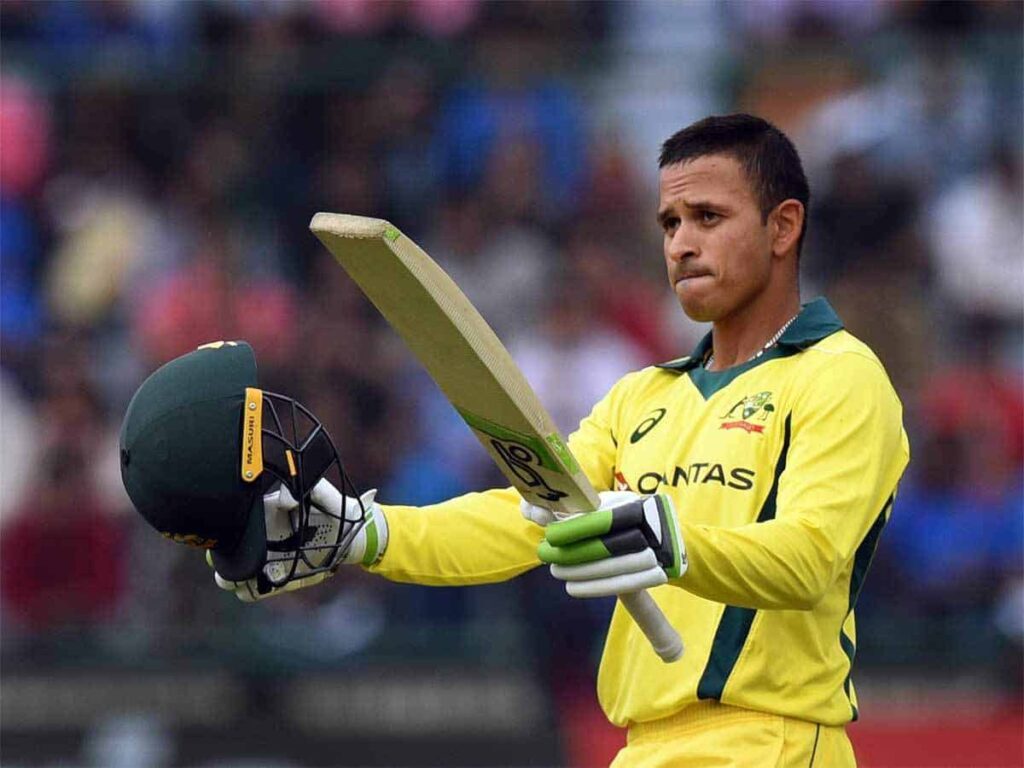
As of January 29, 2025, Usman Khawaja remains a cornerstone of Australia’s Test squad. Despite recent struggles with the bat in the Test series against India—scoring 2 and 41 in the Sydney Test—his experience and composure continue to be invaluable assets for the Australian team. While his performances may have fluctuated, his ability to anchor the innings and mentor younger players keeps him relevant on the international stage.

Future Plans and Retirement Speculations

Khawaja has openly discussed his career trajectory, making it clear that he is not ready to step away just yet. Expressing his ambitions, he stated, “I’d still like to play the Ashes at a bare minimum.” This declaration confirms his intent to remain in the Australian squad at least until the prestigious Ashes series, reinforcing his commitment to representing his country at the highest level.

Battling the Best: Facing Jasprit Bumrah

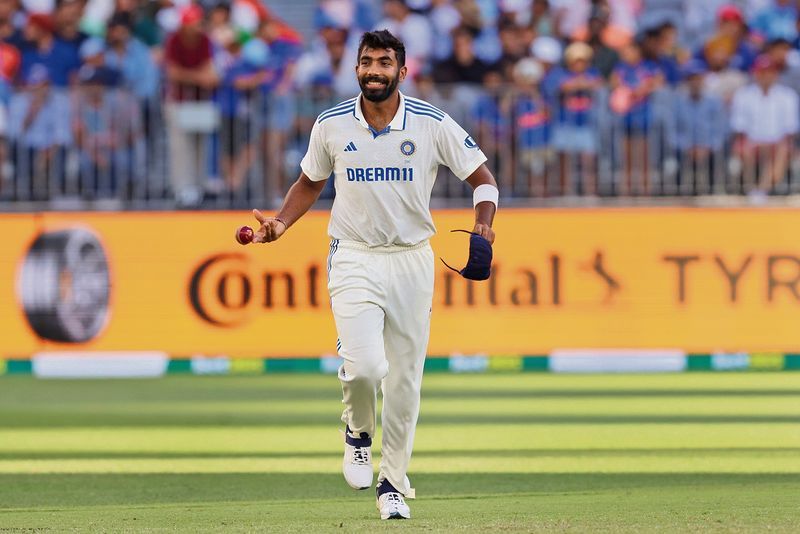
When discussing the toughest challenges he has faced, Khawaja did not hesitate to single out Indian pace spearhead Jasprit Bumrah. He candidly admitted, “I was just getting Bumrah-ed,” acknowledging the exceptional skill and relentless pressure that Bumrah exerts on opposing batsmen. This statement not only highlights Bumrah’s dominance but also underscores Khawaja’s honest assessment of elite-level competition.

Senior Leadership in Upcoming Tours

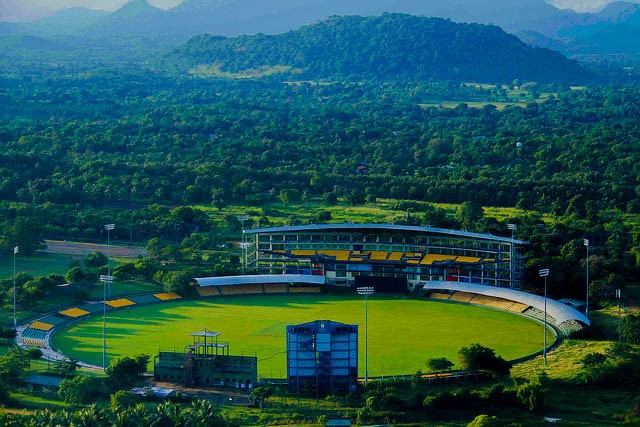
With Australia gearing up for crucial upcoming tours, including a challenging series in Sri Lanka, Khawaja’s role as a senior figure in the batting order is more critical than ever. His extensive experience in subcontinental conditions positions him as a guiding force for the younger players, ensuring they are well-prepared to handle spin-friendly pitches and unfamiliar environments.

Championing Diversity and Inclusion

Beyond his on-field contributions, Khawaja continues to make a significant impact off the field. As one of the few cricketers of Pakistani descent to represent Australia at the highest level, he remains a vocal advocate for diversity and inclusivity in cricket. His efforts to create a more welcoming and equitable environment within the sport serve as an inspiration for aspiring players from underrepresented backgrounds.

A Lasting Legacy in Cricket

Khawaja’s unwavering dedication to the game, both as a player and as an advocate, ensures his continued influence in the cricketing world. Whether guiding Australia to success in crucial matches or pushing for greater inclusivity in the sport, his presence remains as impactful as ever. As 2025 unfolds, his journey promises to be one of resilience, leadership, and inspiration.


Mamta Kulkarni’s Transformation: From Bollywood to Spirituality

Mamta Kulkarni’s Transformation: From Bollywood to Spirituality

Anointment as Mahamandleshwar:

Former Bollywood actress Mamta Kulkarni, known for her roles in 1990s films like Karan Arjun and Baazi, has recently transitioned from cinema to spirituality. On January 24, 2025, during the Maha Kumbh Mela in Prayagraj, she was anointed as the Mahamandleshwar of the Kinnar Akhara and adopted the spiritual name ‘Mai Mamta Nand Giri’.

Consecration Ceremony and Spiritual Commitment

The consecration ceremony included traditional rituals such as the ‘Pind Daan’ at the Triveni Sangam, symbolizing her renunciation of worldly ties. A video capturing Kulkarni’s emotional moments during the ‘sanyas’ ritual has gone viral, showcasing her deep spiritual commitment.

Legal Troubles and Acquittal:

Kulkarni’s spiritual shift follows a turbulent phase in her life. In 2016, she was implicated in a ₹2,000 crore drug case, accused of involvement in an international drug racket. However, in August 2024, the Bombay High Court quashed all charges against her, citing insufficient evidence and dismissing the proceedings as “manifestly frivolous and vexatious.”

Return to India and Mixed Reactions

After living abroad for more than two decades, Kulkarni returned to Mumbai in December 2024 and expressed deep emotion upon reconnecting with her homeland. Her recent elevation within the Kinnar Akhara has received mixed reactions from the spiritual community. Some saints have voiced concerns, considering her appointment a potential threat to Sanatan Dharma due to her controversial past.
Spiritual Calling and Future Plans

Kulkarni has revealed that her entry into acting was influenced by her mother, while spirituality has always been her true calling. She has firmly stated that she has no plans to return to the film industry and intends to focus entirely on her spiritual path.

Mamta Kulkarni’s journey reflects a significant personal transformation. Her shift from Bollywood’s glamour to a life of spirituality marks a profound evolution, demonstrating her commitment to a new way of life.


Tragedy at Maha Kumbh Mela: Stampede Claims 38 Lives in Prayagraj

Tragedy at Maha Kumbh Mela: Stampede Claims 38 Lives in Prayagraj

Deadly Stampede on the Most Auspicious Day

On January 29, 2025, a catastrophic stampede at the Maha Kumbh Mela in Prayagraj resulted in at least 38 fatalities and numerous injuries. The tragedy struck in the early hours of the morning, as tens of millions of devotees gathered for a sacred dip at the confluence of the Ganges, Yamuna, and the mythical Saraswati rivers. This day, considered the most auspicious of the six-week-long Hindu festival, witnessed unprecedented crowds, overwhelming the event’s infrastructure.

Chaos Unfolds: How the Stampede Happened

The disaster began at approximately 1 a.m. when crowd control barriers collapsed under the pressure of the surging masses. Panic ensued as devotees rushed to exit points, triggering a secondary stampede that further intensified the chaos. Despite the rapid deployment of the Rapid Action Force to restore order and assist the injured, the situation spiraled out of control. Authorities have launched an investigation to determine the precise cause of the incident and identify potential lapses in crowd management.

Government’s Immediate Response

In the wake of the tragedy, Prime Minister Narendra Modi has ordered immediate action to enhance safety measures and prevent further mishaps. Religious leaders have also urged pilgrims to avoid the primary bathing site and instead seek alternative locations to reduce overcrowding. Security forces and emergency response teams remain on high alert to manage the ongoing influx of pilgrims.

Challenges of Hosting the World’s Largest Religious Gathering

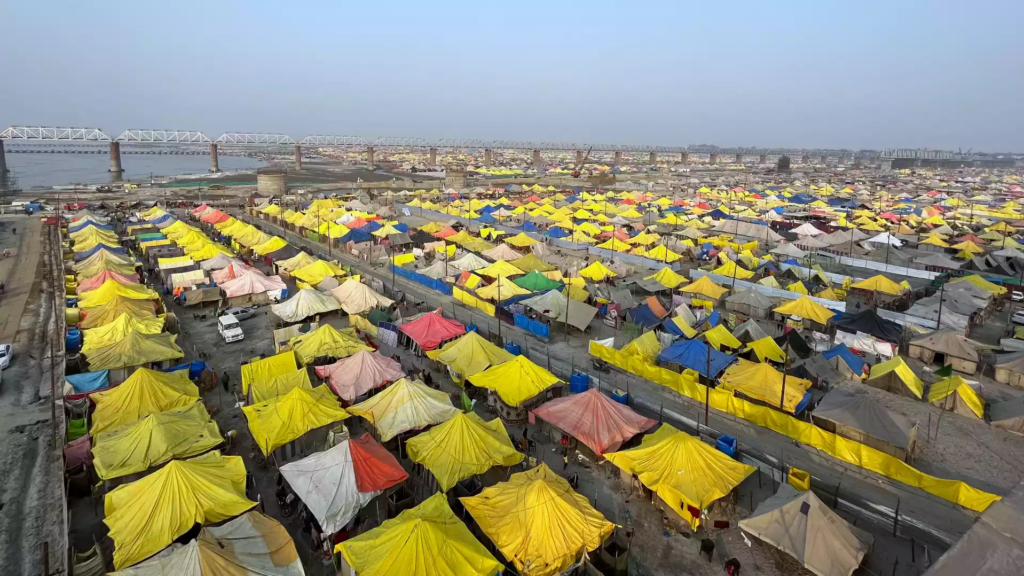
The Maha Kumbh Mela, held every twelve years, is one of the largest religious congregations on the planet, attracting millions seeking spiritual purification. Despite extensive preparations—including a temporary city spanning 4,000 hectares, 150,000 tents, improved sanitation, and enhanced transport services—the sheer scale of the event presents significant challenges in crowd control. This latest

tragedy underscores the immense risks associated with managing such vast gatherings, even with reinforced security measures in place.


Reevaluating Safety Protocols for Future Events

Authorities are now reassessing safety strategies to prevent future disasters. Increased monitoring, improved barrier systems, and better-controlled entry and exit points are expected to be part of the revised measures. Officials are also urging pilgrims to strictly adhere to safety guidelines to minimize risks. The tragedy at the Maha Kumbh Mela serves as a stark reminder of the importance of meticulous planning and robust crowd management in large-scale religious festivals.

Exit mobile version