

BharatGen Indian AI Proves India Is Finally Taking Charge of Its Tech Future

BharatGen Indian AI Proves India Is Finally Taking Charge of Its Tech Future

The global tech industry has long been dominated by Western and Chinese players, but now India has thrown its own contender into the ring: BharatGen Indian AI. This breakthrough is more than a software launch—it’s a cultural and technological shift that gives India its own seat at the global AI table. The timing is perfect, and the confidence is clear: India isn’t just catching up, it’s setting the tone for the next wave of artificial intelligence.


Why BharatGen Indian AI Is Different

Most AI platforms fail to understand the complexity of India—its languages, diversity, and unique socio-economic challenges. BharatGen Indian AI is built precisely for this ecosystem. It isn’t an imported model patched to fit India; it’s designed from the ground up for Indian users, Indian data, and Indian realities. That’s why it matters—it reflects India’s voice in the digital era.


Core Features of BharatGen Indian AI

The platform brings forward innovations that make it stand out:

Multilingual Brilliance – Supports over 20 Indian languages with dialect-specific fine-tuning.
Smart Adaptability – Works seamlessly even with low internet speeds, ensuring rural inclusivity.
Health & Education Integration – Pre-trained to handle real-life Indian use cases like medical translation and school content creation.
Data Sovereignty First – Keeps sensitive data within India’s borders, protecting national interests.


Specifications That Define Its Strength

Technically, BharatGen Indian AI is not playing safe—it’s pushing limits.

  • Model Base: Hybrid Transformer with reinforcement learning from Indian feedback.

  • 🧠 Training Parameters: Over 200 billion, customized with Indian datasets.

  • 📶 Connectivity: Cloud-first, but offers offline modules for edge devices.

  • 🔒 Security: Multi-layer encryption with compliance to India’s upcoming AI regulatory standards.

  • 💻 Integration: APIs available for developers, startups, and government use cases.


Where BharatGen Indian AI Fits in Daily Life

This isn’t just an innovation for tech enthusiasts; it’s practical for millions of Indians:

  • 🏥 Healthcare: Doctors in rural clinics can instantly translate prescriptions into local dialects.

  • 📚 Education: Teachers can generate lesson plans in regional languages at scale.

  • 🏛 Governance: Citizens can interact with chatbots in their mother tongue for public services.

  • 💼 Business: SMEs can use AI to manage customer queries without needing English fluency.


How BharatGen Indian AI Challenges Global Players
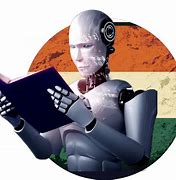
For too long, India has been dependent on U.S. or Chinese AI frameworks. With BharatGen Indian AI, that dependency could end. Unlike global systems, BharatGen prioritizes:

  • 🌍 Localization over Globalization – It thrives on India-specific data.

  • 🔐 Privacy over Monetization – Data isn’t sold, it’s safeguarded.

  • 💸 Affordability over Exclusivity – Small businesses and startups can actually adopt it.

This shift ensures India is not just a market for AI—it’s a creator.


Challenges on the Horizon

Of course, the journey won’t be easy. For BharatGen Indian AI to reach its full potential, it must:

  • Expand datasets across underrepresented dialects.

  • Scale infrastructure for national adoption.

  • Counter skepticism against homegrown AI competing with global giants.

  • Ensure long-term affordability without compromising quality.

The Bigger Vision Behind BharatGen Indian AI

The strength of BharatGen Indian AI lies not only in its technical capabilities but also in the vision it represents. India has over 1.4 billion people, with more than half living in rural areas where technology adoption is still uneven. BharatGen bridges this gap by making AI accessible across all social and economic layers. Its multilingual adaptability ensures that farmers, small shop owners, students, and healthcare workers can all benefit equally. In the long run, this democratization of AI could empower millions, reduce inequality, and make India a global case study on how artificial intelligence can serve society rather than dominate it.


Final Verdict: India’s AI Moment Has Arrived

The launch of BharatGen Indian AI is more than a tech update—it’s India’s declaration of independence in artificial intelligence. By combining multilingual power, local relevance, and strong data sovereignty, BharatGen signals the beginning of a self-reliant AI future.

This isn’t just another tool; it’s the identity of Indian innovation in the AI era. And if India continues to build on this momentum, BharatGen could well become the blueprint for how nations across the world design AI on their own terms.

Swipe to Heal: Best Apps 2025 for Reading Stories That Soothe the Soul

Swipe to Heal: Best Apps 2025 for Reading Stories That Soothe the Soul

Your phone isn’t just a source of distraction anymore—it’s becoming your personal mental wellness library. In 2025, a quiet revolution is taking place: the rise of therapeutic storytelling apps. These are not your average eBook platforms. The best apps 2025 for reading stories are designed to support your emotional health, reduce anxiety, and help you sleep better.

Here’s how storytelling is reshaping how we heal, one swipe at a time.


📚 Why Story Apps Are the New Mental Gym

We’ve always known stories can comfort and inspire. But now, research shows they can also help regulate stress, improve emotional clarity, and even lower heart rates. This isn’t fiction—it’s science. And people are responding.

Why the best apps 2025 for reading stories are more than entertainment:
  • 💆‍♀️ Lower daily stress through soothing narration

  • 🌜 Improve sleep with bedtime storytelling routines

  • 🧠 Spark empathy and emotional clarity

  • ⏳ Help limit screen fatigue with mindful visuals

  • 📖 Offer a safe space to emotionally detox from social media

In a world addicted to overstimulation, these apps offer calm in your pocket.


✨ Features That Make Story Apps 2025 Health Gold

In 2025, the best apps for reading stories are not about endless scrolling. They’re structured, smart, and designed to sync with your mental health rhythms.

Watch for these life-improving features:
  • 🎙️ Audio storytelling with stress-calibrated tones

  • 💡 Adjustable reading themes (for focus, sleep, or mood)

  • 🧘‍♂️ Breath cues & meditation integration

  • 🌒 Night-friendly screen modes

  • 📆 Story-timers that fit into busy schedules

  • 🧬 Stories categorized by emotional themes (grief, confidence, joy)

This is no longer just digital reading—this is digital recovery.


📲 Best Apps 2025 for Reading Stories That Actually Care

Let’s highlight the most talked-about wellness-based reading apps of the year.


1. SoulWords

SoulWords is a sanctuary for stressed minds. Every element—from the UI to the narration—promotes stillness and presence.

Why It’s Popular:

  • 🌌 Sleep playlist support

  • 🎧 Deeply relaxing audio tracks

  • ✍️ Post-story reflection space

  • 🌿 Gentle, breathing-friendly design


2. CalmiTales

Tailored for students, creatives, and busy professionals who need quick escapes.

What Makes It Special:

  • 🧭 Choose stories based on your current stress level

  • 🕒 “Bite-size” calming tales

  • 🌈 Color therapy UI integration

  • 🛌 Night mode with eye-friendly fonts


3. Serene Reads

A genre-rich platform that blends therapeutic fiction with nonfiction insights.

Health-Centric Features:

  • 🧠 Neuroscience-backed storytelling

  • 📚 Global folk tales for cultural comfort

  • 🗣️ Daily positive affirmations

  • 🧘‍♀️ Story-embedded mindfulness prompts


4. NarrateWell

This one’s made for early risers and morning ritual lovers.

Why Readers Love It:

  • 🌞 Morning-themed inspiration stories

  • 🔁 Replay modes for favorite narratives

  • 🎤 First-person recovery journeys

  • 📝 Integrated journaling feature


5. MyHealingLibrary

Created by a team of psychologists, therapists, and writers, this is more than an app—it’s a journey.

Top Features:

  • 🧬 Emotion-tagged story suggestions

  • 📈 Progress-based healing path

  • 🔎 Story search by mental state (anxious, lonely, hopeful, etc.)

  • 📅 Weekly wellness sync with story goals


🎯 Who Should Be Using These Apps?

Everyone—but especially anyone feeling mentally or emotionally drained. The best apps 2025 for reading stories are ideal for:

  • 🧑‍⚕️ Professionals under pressure

  • 🎓 Students dealing with academic stress

  • 🧘‍♀️ Individuals recovering from burnout or trauma

  • 🌍 People craving quiet connection

  • 💤 Insomniacs who need a healthy nighttime ritual


🔧 Under the Hood: The Tech That Makes Them Work

Beyond beautiful storytelling, these apps are packed with cutting-edge health tech:

  • 🤖 AI-curated stories based on emotional state

  • 📱 Battery-light interfaces to reduce device fatigue

  • 🌓 Smart light-dimming based on time of day

  • 📊 Progress analytics to track emotional trends

  • 🔄 Offline access for digital detox moments

These aren’t just reading tools. They’re health-tech tools wearing a literary disguise.


🧘 Final Take: Your Story Can Be Part of Your Self-Care

In an age of burnout, noise, and anxiety, healing doesn’t always come from therapy sessions or expensive gadgets. Sometimes, it comes from a quiet story, well told.

The best apps 2025 for reading stories are giving us that space—a digital refuge where wellness meets imagination. They’re rewriting what it means to read—and redefining how we take care of ourselves.

So next time you unlock your phone, consider unlocking your peace of mind too.

Because the right story can change your day—and your mental health—with just one tap.

National Quantum Mission Marks a Bold Leap into the Future

National Quantum Mission Marks a Bold Leap into the Future

India’s scientific landscape is undergoing a tectonic shift, and the National Quantum Mission (NQM) stands at the epicenter. Far from being just another policy announcement, this initiative is redefining how India positions itself in the global tech race.

The National Quantum Mission isn’t just an experiment in high theory. It’s a well-structured, time-bound quantum tech strategy aimed at transforming communication, computing, defense, and industry. Let’s break down what makes this mission an extraordinary leap into tomorrow.


🚀 Vision That’s Measured in Quantum Bits, Not Just Words

While many nations talk about quantum supremacy, India is executing it. The National Quantum Mission comes with a budget exceeding ₹6000 crore and a clearly laid roadmap till 2031.

Here’s what it promises:

  • 🎯 Development of Quantum Computers with up to 1000 physical qubits in eight years

  • 🌐 Satellite-Based Secure Quantum Communications for defense and banking

  • 🧪 Establishment of Four Thematic Hubs (T-Hubs) across the country

  • 🔐 Quantum Key Distribution (QKD) systems to replace classical encryption

  • 👩‍🔬 Skilling Programs to train over 25,000 students in quantum science

This is not vague ambition. These are concrete targets, backed by resources and timelines—a rarity in scientific missions.


🧠 Technology That Redefines Intelligence and Security

The true strength of the National Quantum Mission lies in its interdisciplinary focus, integrating physics, computer science, mathematics, and engineering. It aims to solve challenges that classical systems simply cannot.

Key Specifications Being Developed:

  • ⚛️ Quantum Processors: Prototype processors with superconducting and photonic qubits

  • 🔄 Quantum Simulators: For use in material science, drug discovery, and optimization problems

  • 🔗 Quantum Communication Channels: Ultra-secure, hack-proof messaging architecture

  • 🛰️ Quantum Satellite Nodes: Designed for long-distance entanglement and secure data transfer

  • 🛡️ Quantum Sensing Tools: For precise navigation and earthquake detection

These are not theoretical aspirations. Development work is already underway, with prototypes expected by 2026 and scalable models by 2030.


🌍 A Mission That Aligns Science with Sovereignty

India isn’t simply copying the West. Through the National Quantum Mission, the country is crafting an independent quantum ecosystem.

Why that matters:

  • 🇮🇳 Data Security: No dependency on foreign algorithms for national defense or financial encryption

  • 🏛️ Academic Autonomy: Indian researchers gain access to indigenously built quantum hardware

  • 🧬 Tech Sovereignty: India owns its intellectual property and doesn’t rent innovation

  • 📊 Economic Impact: Quantum startups and MSMEs can integrate this tech without importing it

This mission plants India firmly in the top league of quantum-capable nations—not as a follower, but as an innovator.


🏫 Building the Quantum Workforce of Tomorrow

The National Quantum Mission is not just about machines; it’s about minds. Recognizing that India’s strength lies in its youth, the mission also emphasizes capacity building.

Here’s how it’s nurturing talent:

  • 🎓 Fellowships and PhD Programs in quantum computing and information theory

  • 🏫 Collaboration with IITs, IISc, and NITs for curriculum revamp

  • 🧑‍🏫 Industry Internships tied to live quantum projects

  • 🌏 Global Collaboration Portals for joint research with countries like Germany, Japan, and Israel

The goal? To produce a world-class quantum-ready workforce by 2030—engineers, physicists, and system architects equipped for the post-silicon era.


🔬 Thematic Hubs That Drive Focused Innovation

Unlike scattered research programs, the National Quantum Mission takes a hub-and-spoke model to streamline R&D. Each Thematic Hub (T-Hub) focuses on a core pillar of the quantum ecosystem.

Breakdown of T-Hubs:

  • 🖥️ Quantum Computing Hub – Building fault-tolerant quantum processors

  • 📡 Quantum Communication Hub – Creating hardware for secure satellite links

  • 🔍 Quantum Sensing & Metrology Hub – Tools for defense, medicine & navigation

  • 🧠 Quantum Materials Hub – Focused on photonics, cryogenics, and quantum memory

Each hub collaborates with premier labs, private tech partners, and international bodies—creating a nucleus of targeted innovation.


📈 Why This Is More Than a Mission—It’s a Market Maker

The National Quantum Mission is already fueling interest from venture capitalists, think tanks, and tech entrepreneurs. With the global quantum computing market expected to hit $125 billion by 2035, India is planting its stake early.

Economic Highlights:

  • 💰 Boost to Quantum Startups – Special grants and incubation support

  • 📦 Quantum-as-a-Service (QaaS) models to be launched via Indian cloud platforms

  • 🏗️ Manufacturing Roadmap – India to produce quantum hardware locally

  • 📈 IP Creation Push – Encouraging patents and open-source frameworks

The result? An entirely new tech economy, grounded in sovereign innovation and global relevance.


✅ Final Thought: The National Quantum Mission Isn’t Optional—It’s Urgent

In a world speeding toward AI, cybersecurity threats, and climate modeling, quantum tech isn’t luxury—it’s necessity. And India is no longer waiting to be invited to the table.

With a clear strategy, deep funding, and futuristic goals, the National Quantum Mission is a once-in-a-generation leap that transforms India’s tech identity—from a service-based follower to a research-powered leader.

Beyond Smart: How AI Emotion Recognition Is Rewriting the Future of Human Connection

Beyond Smart: How AI Emotion Recognition Is Rewriting the Future of Human Connection

AI Isn’t Just Thinking—It’s Starting to Feel

For years, artificial intelligence amazed us with its logic, speed, and memory. But in 2025, the game has changed. We’ve crossed a new threshold—not just smarter AI, but AI that recognizes, decodes, and responds to human emotion.

This is no longer science fiction. It’s the frontier of AI emotion recognition, and it’s transforming everything from mental health care to customer service, from education to relationships. It’s not just about machines understanding data—it’s about them understanding you.


Why Emotion Is the Final Piece in Human-AI Interaction

We’ve built machines that can beat us at chess, recommend our next movie, and even drive our cars. But for years, AI lacked one crucial ability: empathy. Without emotional context, even the smartest AI felt cold, robotic, and detached from real human needs.

That’s where AI emotion recognition comes in—by bridging the emotional gap, it’s enabling technology to communicate in a way that finally feels human.


How AI Emotion Recognition Actually Works

It may sound like magic, but it’s grounded in fascinating science and engineering. AI systems are now trained on vast emotional datasets—millions of facial expressions, vocal tones, and word patterns.

Here’s how it typically works:

  • 🎭 Facial Analysis: AI detects micro-expressions and muscle movement to identify emotions like fear, joy, or boredom.

  • 🎤 Voice Recognition: Changes in pitch, speed, and tone reveal stress, sadness, or excitement.

  • 🧠 Natural Language Processing (NLP): AI evaluates the words you say (and how you say them) to understand emotional context.

  • 📱 Real-Time Feedback Loops: Smart systems adapt on the fly based on your changing mood.

This isn’t about reading minds—it’s about reading cues. And the results are astounding.


Industries Being Transformed by Emotionally Intelligent AI

AI emotion recognition is not just a tech gimmick—it’s already reshaping industries in meaningful ways:

  • 🩺 Healthcare: AI detects early signs of depression or anxiety through voice and facial scans—sometimes even before the patient is aware.

  • 🎓 Education: EdTech platforms adjust teaching pace based on whether students appear confused, engaged, or overwhelmed.

  • 💬 Customer Service: Chatbots now recognize customer frustration and escalate to human agents instantly.

  • 🚘 Automotive: AI in smart cars monitors driver emotion to reduce road rage and prevent accidents.

  • 🎮 Entertainment: Games and content platforms adjust experiences in real-time based on viewer emotions.

What used to be cold code is becoming deeply human-aware.


The Ethical Dilemma: Should AI Know How We Feel?

As thrilling as this advancement is, it opens up a storm of ethical questions. Just because AI can recognize emotions—should it?

Consider the risks:

  • Privacy Invasion – Emotional data is deeply personal. How will it be stored, shared, or sold?

  • Manipulation – What happens when marketers or political groups use AI to exploit emotional triggers?

  • Bias – Misreading emotion, especially across cultures and neurodiverse users, can lead to harmful misunderstandings.

We need global standards, regulations, and AI transparency now more than ever to ensure this power isn’t abused.


The Future of AI Emotion Recognition: Friend or Faux?

Imagine your smartwatch knowing you’re anxious before you do—and suggesting a calming playlist. Or a smart home system dimming the lights when it detects you’re overstimulated. This isn’t far away. It’s already happening.

AI emotion recognition will soon be integrated into:

  • 📱 Smartphones

  • 🧠 Virtual therapists

  • 🎥 Interactive films

  • 🏪 Retail personalization

  • 💼 HR and employee wellness tools

Whether it enhances life or crosses the line will depend on how we build and use it.


Conclusion: Emotion Is the Next AI Superpower

In a world overwhelmed by information and automation, empathy might be the most powerful technology of all.

AI emotion recognition is not here to replace human connection—it’s here to enhance it. It’s about giving technology emotional intelligence so it can serve us better, listen deeper, and respond in ways that feel truly human.

The machines are not just learning to think. They’re learning to care. And if we get it right, that could change everything.

Retailers Beware: ChatGPT Shopping Upgrade Is Changing Everything in 2025

Retailers Beware: ChatGPT Shopping Upgrade Is Changing Everything in 2025

In 2025, online shopping has undergone a seismic shift, and at the heart of this transformation lies the ChatGPT shopping upgrade. This innovation is not just an enhancement; it’s a revolution that’s redefining how consumers interact with e-commerce platforms.


From Browsing to Conversing: The New Shopping Paradigm

Traditional online shopping often involved endless scrolling and impersonal recommendations. With the ChatGPT shopping upgrade, this experience has been replaced by interactive, conversational shopping. Users can now:

  • Describe their needs in natural language, and ChatGPT provides tailored product suggestions.

  • Receive real-time comparisons, including prices, reviews, and specifications.

  • Access personalized recommendations based on previous interactions and preferences.

This conversational approach streamlines the shopping process, making it more intuitive and user-friendly.


🔥 Key Features of the ChatGPT Shopping Upgrade

Say goodbye to dull interfaces — here’s how the ChatGPT shopping upgrade is shaking things up:

Shop Like You’re Talking to a Friend
Forget robotic dropdowns. Just type in “I need comfy running shoes for summer” and get hyper-relevant picks instantly.

🧠 Smarter Than Your Average Cart
It learns your vibe. Whether you’re a minimalist or a color freak, the suggestions evolve with your taste.

📸 See It, Feel It, Click It
Rich product images pop right into your chat. You don’t have to switch tabs or guess — visual clarity meets instant decisions.

🛍️ One-Click Checkout Magic
No more abandoned carts. ChatGPT gives you direct links to check out without the usual digital detours.

🚫 Bye-Bye, Sponsored Noise
You won’t get manipulated by ads. These recommendations are based on real needs — not who paid the most.


🚀 What Retailers Are Gaining from This

Brands and online stores are in for a gold rush. Here’s what the ChatGPT shopping upgrade brings to their doorstep:

📈 Real-Time Conversations = Skyrocketing Conversions
Customers ask, you answer. Boom — purchase made.

📊 Crack the Code on Customer Behavior
It’s like having X-ray vision into what your buyers want, need, and search for.

🧾 Fewer Returns, Happier Wallets
When buyers get exactly what fits their life, they keep it. Fewer returns, more loyalty.

💬 Brand Voice That Talks Back
You get to sound human again — through conversational selling, not cold-blooded popups.


Challenges and Considerations

While the ChatGPT shopping upgrade offers numerous benefits, it also presents challenges:

  • Data Privacy Concerns: Ensuring user data is protected is paramount. OpenAI emphasizes that user information is handled with strict confidentiality.

  • Dependence on AI Accuracy: The effectiveness of recommendations relies on the AI’s ability to interpret user inputs accurately.

  • Integration with Existing Systems: Retailers must ensure seamless integration between ChatGPT and their current e-commerce platforms.

Addressing these challenges is crucial for maximizing the potential of this technology.


The Future of E-Commerce with ChatGPT

The ChatGPT shopping upgrade is a glimpse into the future of online retail:

  • Voice-Activated Shopping: Anticipate a shift towards voice commands, allowing users to shop hands-free.

  • Augmented Reality Integration: Visualizing products in real-world settings before purchase will become commonplace.

  • Expanded Product Categories: From groceries to luxury items, ChatGPT’s capabilities will encompass a broader range of products.

As technology continues to evolve, the line between digital and physical shopping experiences will blur, offering consumers unprecedented convenience and personalization.


🌟 The Future Isn’t Coming—It’s Already Chatting

Online retail isn’t evolving—it’s leaping forward, and ChatGPT is driving the revolution with fierce precision. This isn’t about adding bells and whistles. It’s about tearing down the friction between what shoppers want and how fast they get it. The ChatGPT shopping upgrade isn’t a convenience—it’s the new competitive edge. Retailers not adapting today will find themselves erased tomorrow. If you’re still clinging to outdated funnels, beware: the conversation-driven future is already here, and it’s smarter, faster, and 10 steps ahead.


Remote Work and Travel Tips for 2025 You Can’t Afford to Ignore

Remote Work and Travel Tips for 2025 You Can’t Afford to Ignore

The freedom to work from anywhere in the world isn’t a dream anymore—it’s a real, powerful lifestyle. But in 2025, this lifestyle comes with higher expectations, evolving technology, and new global dynamics. If you’re not upgrading your approach, you’re already falling behind.

Let’s talk about remote work and travel tips for 2025 that can actually keep up with how fast the world is changing. Whether you’re just starting out or a seasoned digital nomad, these insights will help you thrive—not just survive.


🌐 Why remote work and travel tips for 2025 Is a Pivotal Year for Remote Workers

Remote work isn’t “the future” anymore. It’s now. And with hybrid models dissolving and location independence gaining traction, the digital workforce is going full throttle.

What makes 2025 different:

  • AI tools are mainstream — and employers expect you to use them

  • Cybersecurity risks are higher — you must protect your data on the go

  • Costs in nomad hotspots are rising — budget-smart decisions are essential

  • Employer expectations are shifting — outcome-based productivity is now the norm

To stay ahead, you’ll need the right remote work and travel tips for 2025 that blend strategy, tech, and flexibility.


💻 Your Ultimate Remote Work Setup

Your workspace isn’t a corner office—it’s wherever you power up your device. But don’t confuse freedom with chaos. The setup still matters, and in 2025, mobility must meet performance.

Gear you can’t afford to skip:

  • 💻 Laptop: Lightweight but powerful—Intel Core Ultra or M4 chip-based

  • 📱 5G Smartphone with eSIM support

  • 🎧 Noise-cancelling headphones: For focus anywhere

  • 🔌 Portable multi-port charger: Charge all devices at once

  • 🧳 Minimalist tech backpack: For safe and sleek transport

Make sure your tools enable you to adapt, not just exist. These are remote work and travel tips for 2025 that optimize your toolkit.


📶 Connectivity Is Your Lifeline

The No. 1 killer of remote productivity? Weak or unreliable Wi-Fi. Period.

Here’s how to ensure rock-solid connectivity:

  • 🌍 Global Wi-Fi devices: Like Skyroam or Solis for instant hotspots

  • 🔐 Premium VPN: For security and access to region-restricted content

  • 🔁 Dual-SIM phones: So you’re always connected locally and internationally

  • 📱 Offline backups: Download essential docs in advance

Follow these remote work and travel tips for 2025 to stay plugged in, even on the move.


🕒 Manage Time Zones Like a Remote Pro

Working with a global team? Welcome to the time zone circus. Without structure, your day can slip into 18-hour chaos.

Stay on top of time with these smart strategies:

  • 🧠 Use World Clock dashboards (Google or Apple)

  • 📆 Plan meetings using GMT as the anchor time

  • Set dedicated “focus hours” with calendar blocking

  • 🚫 Avoid last-minute cross-time meetings unless urgent

One of the most overlooked remote work and travel tips for 2025 is learning to protect your time like it’s your most valuable currency—because it is.


🌎 Pick Work-Friendly Destinations (Not Just Pretty Ones)

Tired of Bali or Lisbon? Good. The real winners in 2025 are destinations that offer speed, safety, and sanity.

Top destination features to prioritize:

  • 💵 Affordable long-term rentals

  • 📶 Stable, fast internet (at least 100 Mbps)

  • 🪑 Reliable coworking hubs with ergonomic setups

  • 🧘 Low noise pollution and safe nightlife

  • 🤝 A digital nomad community or expat ecosystem

These aren’t just preferences—they’re necessities. Think beyond the ‘gram. These are the remote work and travel tips for 2025 that separate professionals from wanderers.


📈 Productivity Hacks for the Modern Nomad

Your productivity is your currency. You’re not paid for presence—you’re paid for performance.

These systems will level up your remote output:

  • Asana, Notion, or Trello: For task tracking

  • 🧠 Time-tracking tools: Like RescueTime or Toggl

  • 🧹 Decluttered digital desktop: Fewer tabs, more clarity

  • 📊 Weekly review rituals: Analyze, adjust, and improve

Want to stand out? Combine autonomy with accountability. It’s the only way to follow remote work and travel tips for 2025 and still exceed expectations.


🧠 Mindset First: Stay Sharp and Sane

Remote work can get lonely. Travel can get exhausting. Together? They demand mental strength.

Build resilience with these simple practices:

  • 🧘‍♀️ Daily reflection or journaling

  • 🏃 Regular movement, even if it’s just a walk

  • 👥 Join virtual communities for connection

  • 📵 One tech-free day per week

You can’t do great work if your mental battery is dead. These mental health-focused remote work and travel tips for 2025 are non-negotiable.


✅ Final Word: 2025 Belongs to the Prepared

You can either ride the wave or get knocked down by it. Remote work in 2025 is no longer a novelty—it’s a test of your discipline, adaptability, and strategy.

Those who follow these remote work and travel tips for 2025 won’t just survive the digital nomad lifestyle—they’ll dominate it.

Beyond Influencers: The Rise of ‘Micro Experts’ in the Creator Economy

Beyond Influencers: The Rise of ‘Micro Experts’ in the Creator Economy

The Age of Influence is Shifting

Influencers had their moment—and still do—but 2025 marks a turning point in the creator economy. We’re not just listening to those with massive followings anymore. We’re seeking real insights, raw experiences, and practical knowledge. That’s where micro experts come in. They don’t need a million followers to make an impact; their credibility, not clout, is what drives trust and transformation online.


Who Are These Micro Experts and Why Are They Winning?

Micro experts are individuals with niche skills, deep domain knowledge, and real-world experience. They’re not chasing virality; they’re building communities, shaping opinions, and offering solutions. What sets them apart is not volume—it’s value.

✅ They teach rather than perform
✅ They solve problems, not just entertain
✅ They focus on quality engagement, not follower count
✅ They often work in fields like mental health, tech, finance, wellness, education, and entrepreneurship
✅ They create content that has lasting relevance, not just temporary trends


Why the Creator Economy Needs Micro Experts Now More Than Ever

In the era of information overload, audiences are exhausted by empty content. People don’t want just “content creators”—they want credible guides who can help them grow, think, and do better. Micro experts answer this demand.

  • 🎯 Audiences crave actionable advice over flashy aesthetics

  • 🧠 Expertise stands out in a sea of clickbait

  • 👥 Smaller, engaged communities convert better than large passive ones

  • 💸 Brands trust micro experts to drive informed decisions and real ROI


How Micro Experts Are Changing the Game

The power of micro experts is reshaping the creator economy in three key ways:

1. Community First
Instead of building an audience, they build a tribe. Every comment, DM, or email exchange helps grow trust.

2. Content That Educates
They don’t dance for views. They teach. Tutorials, explainers, and deep dives dominate their content feed.

3. Collaboration Over Competition
Micro experts thrive through cross-learning, podcast interviews, newsletters, and paid communities—not envy-driven posts or flashy drama.


Why Brands Are Chasing Micro Experts in 2025

Big brands are shifting budgets. Not toward mega influencers, but toward micro experts who offer real influence.

💡 They bring loyal and highly targeted audiences
💡 Their recommendations convert with higher trust
💡 Their content is evergreen and values-driven
💡 They’re seen as thought leaders, not trend-chasers
💡 Their voices humanize brands and drive authentic engagement


Are You a Micro Expert Without Even Knowing It?

Yes—you might be. If you’ve spent years in a field, if you’ve learned from experience, if you have a unique angle, then you have what it takes.

Ask yourself:

  • Do people come to me for advice on a specific topic?

  • Have I mastered something the average person struggles with?

  • Do I enjoy sharing what I know to help others grow?

If your answer is yes, welcome to the creator economy’s next big wave—micro experts.


How to Step Into the Micro Expert Space

You don’t need a production crew or an MBA. What you need is consistency, clarity, and confidence.

🔥 Start a weekly newsletter
🔥 Launch a niche YouTube channel
🔥 Go live on LinkedIn or Twitter Spaces
🔥 Share tutorials or tip threads
🔥 Offer mini-courses or workshops

And remember: your lived experience is content. Don’t wait for perfection. Publish your process, document your lessons, and let your expertise shine.


The Micro Expert Movement Is Not a Trend—It’s the Future

The reign of influencers built on aesthetic and reach is giving way to something richer and more impactful. The creator economy is maturing, and micro experts are its new heroes. They’re building real businesses, leading thoughtful conversations, and shaping culture from the inside out.


Final Thought:

You don’t need millions to make an impact. You need depth, honesty, and the courage to speak your truth. In a world obsessed with numbers, micro experts remind us that it’s the right voice—not the loudest—that truly resonates.

The New Face of Remote Work in 2025: Flexibility, AI Tools & Digital Burnout

The New Face of Remote Work in 2025: Flexibility, AI Tools & Digital Burnout

Remote Work in 2025 Is Not What You Think—It’s Bigger, Bolder, and Burnout-Prone

Remote work in 2025 has evolved into a lifestyle rather than a mere work arrangement. The days of chaotic Zoom calls and balancing laptops on couches are long gone. Now, it’s about redefining balance—with tech tools, asynchronous schedules, and the freedom to work from literally anywhere. But this digital leap comes with a hidden cost: a creeping sense of burnout.


The Freedom Revolution: Flexibility Isn’t Just a Perk—It’s the Rule

Companies that once measured productivity in hours now care more about outcomes. This shift has given professionals the power to customize work hours, allowing for:

  • Midday gym sessions without guilt

  • Working from exotic locations (hello, Bali!)

  • Blending personal errands into the workday

The result? Remote work in 2025 feels liberating—but only if you’re good at self-management.


AI Tools: The New Coworkers You Never Asked For (But Can’t Live Without)

The biggest disruptor in remote work in 2025? AI-powered tools. From project planning to content creation, AI isn’t just helpful—it’s essential.

Top AI integrations changing remote work today:

  • Virtual assistants that summarize meetings and take notes

  • Automated reports generated with a click

  • AI-powered inbox filters that cut email chaos by 80%

  • Smart schedulers that optimize your calendar

  • Voice-to-text tools for hands-free ideation

You don’t need a tech degree to thrive in this AI-driven landscape. But you do need the right tools and the willingness to learn.


Digital Burnout Is the Villain No One Sees Coming

With great flexibility comes the temptation to never switch off. Many remote workers in 2025 feel:

  • Constant fatigue, even after a “slow” day

  • The pressure to reply instantly, always

  • Zoom fatigue creeping into personal life

  • Reduced sleep quality due to late-night screen exposure

This isn’t just a mental health issue—it’s a career killer in disguise. Digital burnout affects performance, creativity, and long-term growth.


How to Fight Back: Healthy Remote Work Habits That Stick

The solution? Building structure where none exists. Here’s how successful remote professionals stay sane:

  • Set non-negotiable “off” hours and guard them fiercely

  • Batch tasks instead of multitasking all day

  • Move often—mini workouts or even standing stretches

  • Create tech-free zones at home

  • Track energy levels and not just task completion

These small tweaks restore your mental bandwidth and bring joy back into remote work in 2025.


What the Future Holds: Is It Sustainable or a Ticking Time Bomb?

The remote revolution is only accelerating. More companies are going hybrid or fully remote. But the question is—will workers adapt or crash under the weight of hyper-productivity?

To ensure remote work in 2025 thrives:

  • Leadership must prioritize well-being as much as output

  • Remote culture needs intentional design, not just Slack emojis

  • Workers must own their boundaries—no one else will do it for them


Attractive Bullets You Can’t Miss: Daily Wins in the Remote Work Era

🌟 Daily Wins to Thrive in Remote Work in 2025

Start with purpose: Kick off your day with a 5-minute “intent check-in” to set the tone, not just a to-do list.
Time-block like a pro: Use colorful Pomodoro timers to energize your flow and break the doom-scroll cycle.
👥 Stay human: Book weekly “virtual coffee” catchups with teammates to avoid isolation and spark ideas.
🧠 Hack your mood: Keep a digital gratitude log—3 small wins a day keep burnout away.
💻 Shut it down with power: End each workday with a symbolic “laptop close” and a mini ritual like a walk or music break.
📅 Deep work matters: Declare “No-Meeting Wednesdays” to protect your most productive hours.


Final Thoughts: Remote Work in 2025 Is a Mirror of You

Remote work in 2025 is as empowering or exhausting as you make it. With smart tools, clear boundaries, and self-awareness, it can elevate your lifestyle and productivity beyond the office cubicle dream.

But without mindfulness, it could drain more than just your energy—it could rob you of purpose. Choose wisely. Own your schedule. And remember: working remotely doesn’t mean working endlessly.

Is ChatGPT Gemini Using Your Data Without You Knowing?

🤖 Is ChatGPT Gemini Using Your Data Without You Knowing?

Let’s not pretend anymore. AI is no longer some futuristic fantasy — it’s living on your phone, your browser, your smartwatch. Tools like ChatGPT and Gemini are becoming second brains for millions. But as we marvel at what they can do, a cold question lingers in the background: is ChatGPT Gemini using your data behind the scenes?

You’re not paranoid. You’re paying attention — and that’s exactly what you should be doing in a world where data has become currency.


💻 Just How “Smart” Are These Smart Tools?

Artificial Intelligence isn’t born knowing everything. It learns — fast — and it learns from something very specific: you.

Every query, every click, every “yes” and “no” you provide helps models evolve. Which leads to the unavoidable question: is ChatGPT Gemini using your data as fuel for their algorithms?

Short answer? Not always. But sometimes — yes. And that gray area should bother you.


🧠 Your Data Is Not Just “Data” — It’s You

Let’s get brutally honest. That “fun” chat about your weekend plans or “harmless” recipe search? That could be logged. Maybe not with your name, but with enough context to create a fingerprint.

Now multiply that across millions of users. That’s a digital universe of habits, choices, and patterns. So when you wonder is ChatGPT Gemini using your data, what you’re really asking is: Are they building smarter tools at the cost of our digital identities?


🚨 Consent? Or Confusion Dressed as Consent?

Here’s the catch: these platforms do have policies. But let’s be real — how many of us read through 50 paragraphs of vague, legal fluff before hitting “Accept”?

They say your data might be used to improve models, but not stored personally. Still, the process isn’t always transparent. So the next time you ask, is ChatGPT Gemini using your data, ask a deeper question: Are you giving permission, or just blindly trusting them?


🔐 Privacy Settings: Illusion or Protection?

Most AI tools offer “opt-out” features, or the promise of secure sessions. That’s good. But it’s not enough. Security is only as strong as your awareness.

If you’re using these platforms daily and have never checked your data settings — you’ve already answered the question: is ChatGPT Gemini using your data? Very likely.

Here’s the raw truth: privacy isn’t given. It’s something you demand. And if you don’t, don’t be surprised when your words come back as features in future updates.


📉 What’s the Real Risk?

  • Targeted manipulation: Not just ads, but decisions about what info you see and when.

  • Behavioral profiling: You become a set of patterns to sell, analyze, or replicate.

  • AI model training: Even if your name’s removed, your thoughts could shape the next generation of AI.

Ask yourself again: is ChatGPT Gemini using your data to build something for you — or about you?


✅ What You Can Do Right Now

  1. Dig into the settings of any AI tool you use. Turn off data-sharing or training options where possible.

  2. Use incognito modes or guest profiles when testing generative AI.

  3. Never share sensitive info — even if it’s “just a joke” to the bot.

  4. Hold tech companies accountable. Ask questions. Demand clarity.

Remember: AI isn’t magic. It’s machine learning — and what it learns depends on what you feed it.


🔁 Final Take: Are You the User or the Product?

You’re not overthinking it. You’re finally seeing the full picture.

So, is ChatGPT Gemini using your data without your full understanding? In some cases — absolutely. But this isn’t about fear. It’s about power. Knowledge is your firewall.

Start asking questions. Start reading the small print. Start being the one in control. Because in the age of AI, silence isn’t safety — it’s surrender.

Gen Z Always on Chat: A Silent Crisis No One Admits

Gen Z Always on Chat: A Silent Crisis No One Admits

You’ve seen it—thumbs racing, screens glowing, replies firing like missiles. There’s no off switch. Gen Z always on chat isn’t just a behavior; it’s an epidemic—and it’s time we stop pretending it’s harmless.

This isn’t another piece blaming technology. This is a warning bell about how messaging has replaced mindfulness, and how connection is quietly turning into chaos.


Behind the Screens: What’s Really Going On?

Let’s skip the surface-level fluff. Gen Z isn’t obsessed with chat just for fun. It’s deeper.

Gen Z always on chat is about:

  • 🔒 Shielding themselves from vulnerability

  • 🤖 Controlling their narrative in a messy world

  • 🧩 Coping with uncertainty using constant stimulation

When the outside world feels unstable, the ping of a message becomes a safe space. But comfort doesn’t always mean healthy.


When Availability Replaces Presence

There’s an invisible pressure: be available or be ignored. Gen Z has grown up thinking slower responses mean rejection, and “seen” without a reply equals betrayal.

🚫 But here’s what constant chatting really brings:

  • Surface-level talks

  • Relationship fatigue

  • No space for silence or reflection

The more we normalize this, the more we lose depth in human connection.


Replacing Reality with Chat

From breakups to confessions to conflict resolution—everything happens in a message bubble. And that’s dangerous.

Why? Because:

  • Typing filters emotion

  • Emojis fake sincerity

  • Read receipts create anxiety

Gen Z always on chat means less discomfort, but also less maturity. Growth happens through hard conversations—not edited voice notes.


The Hidden Dopamine Loop

Let’s be real. Each ping is a dose of relevance. Every “typing…” bubble is digital validation.

💬 New message? I matter.
👀 Message read? I’m seen.
🔔 Group chat buzzing? I belong.

But when the phone goes dark? That’s when the emptiness hits. And Gen Z hasn’t been taught how to sit with it.


Can This Be Reversed?

Absolutely. But it starts with us—as educators, parents, friends, and creators. Gen Z isn’t broken. They’re overstimulated and under-listened to.

Here’s what we can do:

  • 🧘 Prioritize screen-free zones and offline time

  • 🗣 Encourage real conversations without typing delays

  • 💡 Create awareness of digital burnout

  • 📴 Normalize not replying instantly

  • 👂 Make presence more valuable than pings


Final Thoughts: Wake-Up Call or Letdown?

If we keep glamorizing this always-on lifestyle, we’re setting Gen Z up for emotional exhaustion. Gen Z always on chat shouldn’t be our baseline—it should be our red flag.

Let’s stop equating connection with availability.
Let’s teach depth over frequency.
Let’s show that sometimes, silence is more powerful than a ping.

Exit mobile version