
Raw VS Boiled Milk: What’s the Right Choice for Your Health?

Raw VS Boiled Milk: What’s the Right Choice for Your Health?

Milk is often seen as the ultimate source of nutrition, but a long-standing debate persists—should you drink milk raw or boiled? Some believe raw milk is a powerhouse of nutrients, while others argue that boiling milk is essential to eliminate harmful bacteria.

If you’ve ever wondered whether raw milk is a super food or a silent health hazard, it’s time to separate facts from myths and make an informed choice.

The Battle: Raw VS Boiled Milk

What Is Raw Milk?

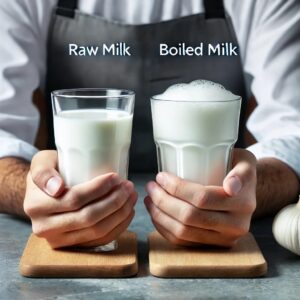
Raw milk is fresh, unprocessed milk obtained directly from cows, buffaloes, or goats. It has not undergone heat treatment, meaning it retains all its natural enzymes, bacteria, and nutrients. However, while it contains beneficial elements, it can also harbor harmful pathogens that pose serious health risks.

What Happens When Milk Is Boiled?

Boiling milk involves heating it at high temperatures to kill bacteria, increase shelf life, and make it safer for consumption. Although some believe this process destroys essential nutrients, the truth is that boiling mostly affects heat-sensitive vitamins while keeping key minerals and proteins intact.

So, does raw milk win for nutrition? Or does boil milk reign supreme for safety? Let’s break it down.

Raw Milk: The Unfiltered Truth

✅ Claim: Raw Milk Is More Nutritious

Proponents of raw milk argue that it contains more vitamins, natural enzymes, and good bacteria compared to boiled milk. It’s true that heat-sensitive vitamins like vitamin C and certain B vitamins slightly degrade during boiling. However, the loss is minimal and does not significantly impact overall nutrition.

❌ Reality: Raw Milk Can Carry Harmful Bacteria

The biggest concern with raw milk is contamination. It can contain dangerous pathogens like:

  • E. coli
  • Salmonella
  • Listeria

These bacteria can cause food poisoning, severe digestive issues, and even life-threatening infections. The risks are especially high for children, pregnant women, the elderly, and those with weak immune systems.

✅ Claim: Raw Milk Aids Digestion

Some believe raw milk is easier to digest because boiling alters the structure of proteins and enzymes. While there’s some truth to this, research suggests boiling does not significantly affect digestibility. If digestion is a concern, fermented dairy options like yogurt and kefir are better alternatives.

❌ Reality: Raw Milk Has a Short Shelf Life

In the challenge of Raw VS Boiled Milk – Raw milk spoils faster because it contains active bacteria—both good and bad. Without refrigeration, it lasts only a day or two before becoming unsafe to drink.

Boiled Milk: Safety with Minimal Nutrient Loss

🔥 Fact 1: Boiling Kills Harmful Bacteria

The biggest advantage of boiling milk is its ability to eliminate dangerous microbes, making it safe for consumption. If you live in a place where milk hygiene isn’t strictly regulated, boiling is non-negotiable.

🔥 Fact 2: Boiled Milk Retains Most Nutrients

Contrary to popular belief, boiling does not destroy all nutrients. It may reduce some heat-sensitive vitamins, but it preserves essential nutrients like:

Calcium – Crucial for bones and teeth
Protein – Supports muscle repair and immunity
Healthy fats – Essential for brain function

🔥 Fact 3: Longer Shelf Life

In the challenge of Raw VS Boiled Milk – Boiled milk lasts longer because the bacteria responsible for spoilage are eliminated. This means you can store it for several days without worrying about contamination.

Which One Should You Choose? 

Let’s compare the two side by side:

Feature

Raw Milk 🥛

Boiled Milk 🔥

Bacteria Presence May contain harmful bacteria Bacteria eliminated
Nutrient Content Slightly higher in vitamins Some vitamin loss, but minimal
Safety High risk of infections Safe for consumption
Shelf Life 1-2 days 5-7 days
Digestibility Contains enzymes No major difference


While raw milk has a small nutritional edge, boiled milk is the clear winner for safety. The small loss of vitamins is insignificant compared to the severe health risks posed by raw milk contamination.

Who Should Avoid Raw Milk?

🚫 Children and infants – Their immune systems are underdeveloped
🚫 Pregnant women – Risk of infections that could harm the baby
🚫 Elderly people – Higher vulnerability to foodborne illnesses
🚫 People with weak immunity – Those recovering from illnesses or with conditions like diabetes
If you fall into these categories, raw milk is not worth the risk.

Smarter Alternatives to Raw Milk

If you want the best of both worlds—nutrition and safety—consider these options:

🥛 Pasteurized Milk: Heated at lower temperatures than boiling, preserving more nutrients while ensuring safety.
🥥 Plant-Based Milk (Almond, Soy, Coconut): Good alternatives for those who are lactose intolerant.
🍶 Fermented Dairy (Yogurt, Kefir): Contains natural probiotics for gut health.

Final Verdict: Raw vs. Boiled Milk?

If you’re willing to risk bacterial infections for a slight nutritional advantage, raw milk might seem appealing. But the scientific reality is that boiling makes milk significantly safer while keeping almost all of its essential nutrients.

🚨 Raw milk is a high-risk gamble—boiled milk is the safe, smart, and practical choice.

So, before you take your next sip, ask yourself this: Is a tiny bit of extra nutrition worth the risk of serious illness?

In the challenge of Raw VS Boiled Milk 🔥 Boiled milk wins. Hands down. 🔥

How Often Should You Drink Electrolyte Drinks? The Truth You Need to Know

Electrolyte Drinks: How Often Should You Drink? The Truth You Need to Know

Electrolyte drinks are everywhere—on supermarket shelves, in gym bags, and even in your co-worker’s hand at the office. But here’s the real question: Do you actually need them, and if so, how often?

The truth is, electrolyte drinks aren’t a one-size-fits-all solution. Some people genuinely need them, while others are simply falling for marketing gimmicks. If you’re guzzling these drinks daily without knowing whether your body truly requires them, you might be doing more harm than good.

Let’s cut through the noise and break down exactly how often you should drink electrolyte beverages—and when you should skip them.

What Are Electrolyte Drinks, and Why Do They Matter?

Before diving into how often you should consume them, let’s get one thing straight—electrolytes aren’t just trendy buzzwords. They are essential minerals like sodium, potassium, magnesium, and calcium that keep your body running efficiently.

These minerals help:
Regulate hydration
Control nerve and muscle function
Maintain blood pressure levels
Support energy production

However, just because your body needs electrolytes doesn’t mean you need to chug a sports drink every day.

How Often Should You Drink Electrolyte Drinks?

  1. After Intense Physical Activity (Yes, But Not Always)

If you’ve just crushed a long workout, marathon, or high-intensity training session, your body has likely lost a significant amount of electrolytes through sweat.

Drink an electrolyte beverage if you’ve been sweating for more than an hour or training in extreme heat.
Skip it if your workout was light or lasted less than 45 minutes—plain water will do just fine.

How Often?
Only after prolonged physical exertion—not after every minor workout session. If you’re working out daily but not sweating profusely, stick to water and replenish electrolytes naturally through food.

  1. When You’re Sick or Dehydrated (Absolutely!)

Vomiting, diarrhea, and excessive sweating due to fever can strip your body of essential minerals, leaving you weak and fatigued.

✅ If you’re suffering from a stomach virus, food poisoning, or excessive dehydration, electrolyte drinks can help you recover faster.
❌ But don’t make it a habit. If you’re drinking them just because you “feel a little off,” you’re likely consuming unnecessary sugars and salts.

How Often?
Only when your body is losing fluids rapidly due to illness or severe dehydration.

  1. During Extreme Heat or Outdoor Work

If you’re spending hours under the sun—whether working outdoors, hiking, or playing sports in high temperatures—you’re losing more than just water.

Electrolytes can be essential in preventing heat exhaustion and keeping your energy levels up.
❌ However, if you’re just taking a short walk or commuting in warm weather, you don’t need an electrolyte boost—water is enough.

How Often?
Only when exposed to extreme heat for prolonged periods.

  1. As a Hangover Cure (Use with Caution)

Let’s be real—alcohol dehydrates your body, leaving you groggy, dizzy, and miserable the next morning. Electrolyte drinks can speed up rehydration and help you bounce back quicker.

A sports drink or electrolyte solution before bed can lessen the effects of a hangover.
❌ But relying on them after every night out is a band-aid solution—hydrating properly while drinking alcohol is a smarter move.

How Often?
Only when necessary, not as a post-party ritual.

  1. Daily Hydration? Think Twice!

Some people treat electrolyte drinks as a daily hydration replacement—this is a mistake.

❌ If you’re not sweating excessively, sick, or in extreme conditions, you don’t need electrolyte drinks daily.

Overuse can lead to:
⚠️ Too much sodium → Higher blood pressure, bloating
⚠️ Excess sugar → Increased calorie intake, insulin spikes
⚠️ Electrolyte imbalance → Muscle cramps, kidney strain

Water should always be your main hydration source. If you’re eating a balanced diet, you’re already getting enough electrolytes from food.

How Often?
Only when necessary—not as a daily go-to drink.

Are You Drinking Too Many Electrolytes? Signs to Watch For

If you’re overloading on electrolyte beverages, your body will let you know. Watch out for these warning signs:

🚩 Swelling or bloating (excess sodium)
🚩 Frequent urination (kidneys flushing out unnecessary electrolytes)
🚩 High blood pressure (too much sodium without enough water)
🚩 Headaches or confusion (electrolyte imbalance)

If you experience any of these, dial back on electrolyte drinks and stick to water.

Natural Alternatives to Electrolyte Drinks

You don’t always need a bottled sports drink to maintain electrolyte balance. There are healthier, natural alternatives that work just as well:

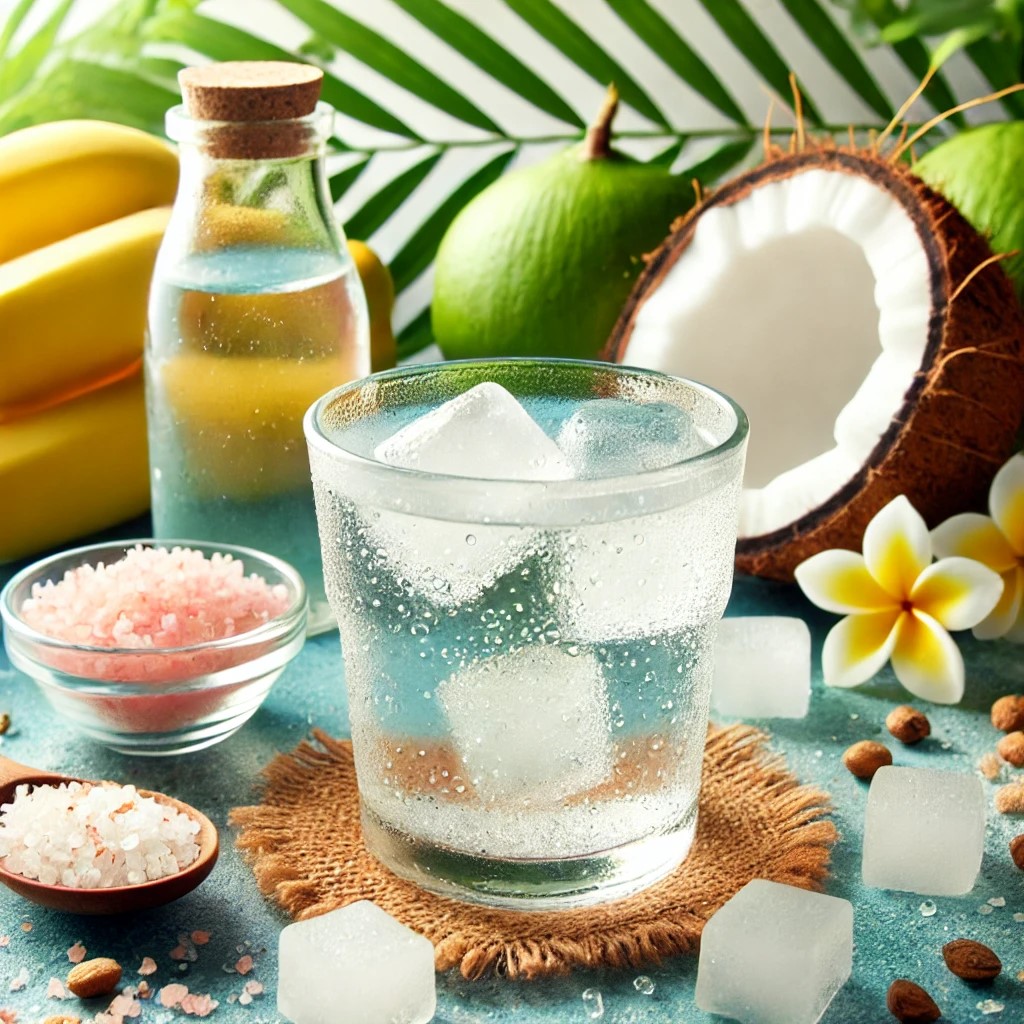
🥥 Coconut Water – A natural source of potassium and magnesium
🍌 Bananas – Packed with potassium to prevent muscle cramps
🥬 Leafy Greens – Magnesium-rich foods for hydration support
🧂 Homemade Electrolyte Drink – Mix water, lemon juice, sea salt, and honey for a DIY solution

The Bottom Line: How Often Should You Drink Electrolyte Drinks?

💧 Use them wisely. Electrolyte drinks are not everyday essentials—they are tools for specific situations when your body truly needs them.

Drink them after intense workouts, sickness, or extreme heat exposure.
Use them occasionally for rapid rehydration (like after a hangover).
Don’t rely on them for daily hydration—water is king.

Electrolytes are powerful, but like anything, too much of a good thing can backfire. Keep it balanced, and listen to your body!

Cumin Water: A Powerful Health Elixir for Your Body

Cumin Water: A Powerful Health Elixir for Your Body

Cumin, a spice deeply rooted in ancient cultures, has always held significance in culinary traditions across the globe. While it’s often celebrated for enhancing the flavor of dishes, cumin is more than just a kitchen staple. When consumed in the form of Cumin Water: A Powerful Health Elixir, its health benefits are magnified. This simple yet potent beverage has become increasingly popular due to its incredible impact on digestion, immunity, skin health, and more. Let’s take a deeper dive into why cumin water should become a regular part of your daily routine.

What is Cumin Water?

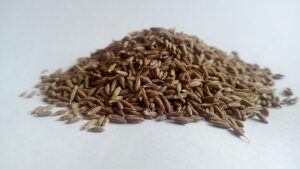
Cumin water is created by soaking cumin seeds in water overnight or by boiling the seeds in water for a few minutes. This allows the water to absorb the nutrients and beneficial compounds present in cumin, including essential oils, antioxidants, and minerals. Drinking this water on an empty stomach in the morning ensures that your body absorbs all the powerful nutrients and reaps the maximum benefits. Cumin water is an accessible, affordable, and effective remedy to improve overall health.

Supports Digestion Like No Other

One of the most significant benefits of cumin water is its ability to enhance digestion. Cumin contains compounds that stimulate the secretion of bile, which aids in breaking down fats and improving overall digestion. For people who struggle with bloating, gas, or indigestion, cumin water can provide immediate relief. By helping the stomach absorb nutrients more efficiently, it reduces digestive discomfort and encourages a healthy gut environment.

Moreover, cumin has been shown to regulate bowel movements and prevent constipation. Regular consumption of Cumin Water: A Powerful Health Elixir can promote regularity and ensure your digestive system functions optimally, keeping unwanted toxins at bay.

A Detoxifying Powerhouse for the Body

Cumin water acts as a natural detoxifier, helping your body flush out toxins and waste. Thanks to its diuretic properties, it increases urine output, which helps cleanse the kidneys and urinary system. By promoting the elimination of waste and preventing the buildup of harmful substances in the body, cumin water ensures that your system stays clean and balanced.

In addition to its detoxifying effects, cumin water enhances liver function. The liver is a key organ in detoxification, and cumin has been shown to support liver enzymes, promoting the processing and removal of toxins from the bloodstream. With regular consumption, cumin water can improve overall liver health and prevent the accumulation of harmful substances that lead to chronic diseases.

Boosts Immune Health

The immune-boosting properties of cumin water are not to be underestimated. Packed with antioxidants, cumin helps combat oxidative stress and free radicals, which are linked to numerous health issues, including heart disease and cancer. The antioxidant-rich cumin water strengthens the body’s defense system, improving the immune response and lowering susceptibility to infections.

Cumin also contains significant amounts of iron, which plays an essential role in boosting the immune system. Iron helps in the production of hemoglobin and red blood cells, ensuring that the body’s cells get the oxygen they need to function at their best. By providing a natural source of iron, cumin water can prevent iron-deficiency anemia and help maintain a strong immune system.

A Secret Weapon for Weight Loss

Cumin water has long been associated with weight loss, and for good reason. Cumin has thermogenic properties, meaning it helps to boost your metabolism and promotes the burning of fat. By increasing your metabolic rate, cumin water encourages your body to burn calories more efficiently, assisting in weight loss.

Additionally, cumin water has been found to reduce appetite and curb cravings, which can help prevent overeating and emotional eating. Drinking cumin water before meals can keep you feeling full for longer, preventing unnecessary snacking and making it easier to maintain a healthy diet. By boosting metabolism and controlling hunger, cumin water becomes an invaluable tool for anyone on a weight loss journey.

Improves Skin Health

Beautiful skin starts from within, and cumin water plays a significant role in promoting clear, glowing skin. The antioxidants in cumin water help reduce the effects of free radicals, which can accelerate skin aging and cause conditions like acne, eczema, and dark spots. By protecting the skin from oxidative damage, cumin water helps slow down the aging process, keeping your skin looking youthful and vibrant.

In addition, cumin water’s detoxifying properties help cleanse the skin from the inside out. By eliminating toxins from the body, it prevents clogged pores, which are a common cause of acne and other skin issues. Drinking cumin water regularly can result in smoother, clearer skin and reduce the appearance of blemishes.

Balances Blood Sugar and Regulates Cholesterol

Cumin water has proven benefits for people dealing with blood sugar imbalances or high cholesterol. Research suggests that cumin may help regulate blood sugar levels, reducing the risk of type 2 diabetes. The active compounds in cumin help improve insulin sensitivity, ensuring that blood sugar is utilized effectively rather than being stored as fat.

Similarly, Cumin Water: A Powerful Health Elixir can support heart health by lowering levels of bad cholesterol (LDL) and raising good cholesterol (HDL). This helps reduce the risk of heart disease and improves overall cardiovascular health. By balancing blood sugar levels and cholesterol, cumin water is a vital addition to any health-conscious individual’s diet.

How to Make Cumin Water

Making cumin water is an incredibly easy process. Here’s how you can prepare it:

  1. Soaking Method:
    • Take 1-2 teaspoons of cumin seeds and place them in a glass of water.
    • Let the seeds soak overnight.
    • In the morning, strain the water and drink it on an empty stomach.
  2. Boiling Method:
    • Bring a cup of water to a boil.
    • Add 1-2 teaspoons of cumin seeds to the boiling water.
    • Let it simmer for 5-10 minutes, then strain and drink.

For enhanced flavor, you can add a squeeze of lemon juice or a pinch of black salt to the water. It’s important to drink Cumin Water: A Powerful Health Elixir, first thing in the morning to maximize its benefits.

A Simple Solution for Comprehensive Health

Cumin Water: A Powerful Health Elixir is a simple yet potent solution for a wide range of health concerns. Whether you are looking to improve digestion, detoxify your body, boost immunity, or promote weight loss, cumin water can deliver results. By incorporating this easy-to-make drink into your daily routine, you can experience significant improvements in your health, from clearer skin to better digestion and enhanced overall wellness.

Unlike expensive supplements or complicated detox regimens, cumin water is a natural, cost-effective, and easily accessible health tonic. If you’re looking for a way to nurture your body from the inside out, cumin water is the ideal addition to your daily health regimen. Make it a part of your wellness routine today and unlock its full potential.

Exit mobile version