





Raw VS Boiled Milk: What’s the Right Choice for Your Health?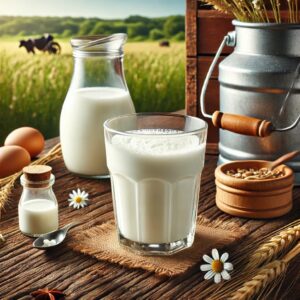

Milk is often seen as the ultimate source of nutrition, but a long-standing debate persists—should you drink milk raw or boiled? Some believe raw milk is a powerhouse of nutrients, while others argue that boiling milk is essential to eliminate harmful bacteria.
If you’ve ever wondered whether raw milk is a super food or a silent health hazard, it’s time to separate facts from myths and make an informed choice.
The Battle: Raw VS Boiled Milk
What Is Raw Milk?
Raw milk is fresh, unprocessed milk obtained directly from cows, buffaloes, or goats. It has not undergone heat treatment, meaning it retains all its natural enzymes, bacteria, and nutrients. However, while it contains beneficial elements, it can also harbor harmful pathogens that pose serious health risks.
What Happens When Milk Is Boiled?
Boiling milk involves heating it at high temperatures to kill bacteria, increase shelf life, and make it safer for consumption. Although some believe this process destroys essential nutrients, the truth is that boiling mostly affects heat-sensitive vitamins while keeping key minerals and proteins intact.
So, does raw milk win for nutrition? Or does boil milk reign supreme for safety? Let’s break it down.
✅ Claim: Raw Milk Is More Nutritious
Proponents of raw milk argue that it contains more vitamins, natural enzymes, and good bacteria compared to boiled milk. It’s true that heat-sensitive vitamins like vitamin C and certain B vitamins slightly degrade during boiling. However, the loss is minimal and does not significantly impact overall nutrition.
❌ Reality: Raw Milk Can Carry Harmful Bacteria
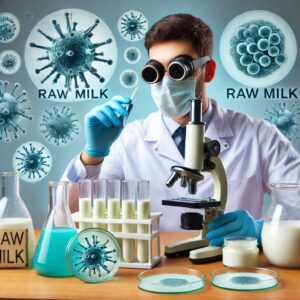
The biggest concern with raw milk is contamination. It can contain dangerous pathogens like:
- E. coli
- Salmonella
- Listeria
These bacteria can cause food poisoning, severe digestive issues, and even life-threatening infections. The risks are especially high for children, pregnant women, the elderly, and those with weak immune systems.
✅ Claim: Raw Milk Aids Digestion
Some believe raw milk is easier to digest because boiling alters the structure of proteins and enzymes. While there’s some truth to this, research suggests boiling does not significantly affect digestibility. If digestion is a concern, fermented dairy options like yogurt and kefir are better alternatives.
❌ Reality: Raw Milk Has a Short Shelf Life
In the challenge of Raw VS Boiled Milk – Raw milk spoils faster because it contains active bacteria—both good and bad. Without refrigeration, it lasts only a day or two before becoming unsafe to drink.
Boiled Milk: Safety with Minimal Nutrient Loss
🔥 Fact 1: Boiling Kills Harmful Bacteria
The biggest advantage of boiling milk is its ability to eliminate dangerous microbes, making it safe for consumption. If you live in a place where milk hygiene isn’t strictly regulated, boiling is non-negotiable.
🔥 Fact 2: Boiled Milk Retains Most Nutrients
Contrary to popular belief, boiling does not destroy all nutrients. It may reduce some heat-sensitive vitamins, but it preserves essential nutrients like:
✅ Calcium – Crucial for bones and teeth
✅ Protein – Supports muscle repair and immunity
✅ Healthy fats – Essential for brain function
🔥 Fact 3: Longer Shelf Life
In the challenge of Raw VS Boiled Milk – Boiled milk lasts longer because the bacteria responsible for spoilage are eliminated. This means you can store it for several days without worrying about contamination.
Which One Should You Choose?
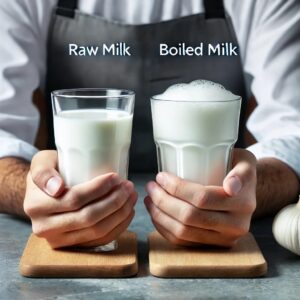
Let’s compare the two side by side:
Feature |
Raw Milk 🥛 |
Boiled Milk 🔥 |
| Bacteria Presence | May contain harmful bacteria | Bacteria eliminated |
| Nutrient Content | Slightly higher in vitamins | Some vitamin loss, but minimal |
| Safety | High risk of infections | Safe for consumption |
| Shelf Life | 1-2 days | 5-7 days |
| Digestibility | Contains enzymes | No major difference |
While raw milk has a small nutritional edge, boiled milk is the clear winner for safety. The small loss of vitamins is insignificant compared to the severe health risks posed by raw milk contamination.
Who Should Avoid Raw Milk?
🚫 Children and infants – Their immune systems are underdeveloped
🚫 Pregnant women – Risk of infections that could harm the baby
🚫 Elderly people – Higher vulnerability to foodborne illnesses
🚫 People with weak immunity – Those recovering from illnesses or with conditions like diabetes
If you fall into these categories, raw milk is not worth the risk.
Smarter Alternatives to Raw Milk
If you want the best of both worlds—nutrition and safety—consider these options:
🥛 Pasteurized Milk: Heated at lower temperatures than boiling, preserving more nutrients while ensuring safety.
🥥 Plant-Based Milk (Almond, Soy, Coconut): Good alternatives for those who are lactose intolerant.
🍶 Fermented Dairy (Yogurt, Kefir): Contains natural probiotics for gut health.
Final Verdict: Raw vs. Boiled Milk?
If you’re willing to risk bacterial infections for a slight nutritional advantage, raw milk might seem appealing. But the scientific reality is that boiling makes milk significantly safer while keeping almost all of its essential nutrients.
🚨 Raw milk is a high-risk gamble—boiled milk is the safe, smart, and practical choice.
So, before you take your next sip, ask yourself this: Is a tiny bit of extra nutrition worth the risk of serious illness?
In the challenge of Raw VS Boiled Milk 🔥 Boiled milk wins. Hands down. 🔥
One thought on “Raw VS Boiled Milk: What’s the Right Choice for Your Health?”