



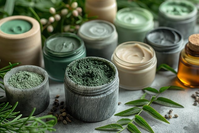
How to Achieve an Instant Glow on Your Face Using Simple Home Remedies?

Radiant, glowing skin doesn’t need to be complicated or expensive. Achieving an instant glow can be as simple as turning to natural ingredients in your kitchen. These home remedies not only bring out your skin’s natural luminosity but also work to enhance its health over time. Whether you’re preparing for an event or simply want a quick glow-up, these remedies are your key to healthy, glowing skin that shines with vitality.
-


For an Instant Glow on Your Face, honey and lemon can make a noticeable difference. Honey is a powerhouse of antioxidants, known for its ability to hydrate and nourish the skin. Its moisturizing properties lock in moisture, leaving your skin soft and glowing. Lemon, rich in vitamin C, is a natural brightening agent that helps even out skin tone and fight dullness.
How to Use:
- Mix one tablespoon of raw honey with the juice of half a fresh lemon.
- Apply it evenly to your face, avoiding the eye area.
- Leave it on for 15 minutes before rinsing with warm water.
This mixture provides immediate hydration and brightens the skin, leaving you with a fresh, dewy glow.
- Aloe Vera and Turmeric: Soothe and Illuminate Your Skin

Aloe Vera is a calming and hydrating agent, making it an excellent choice for skin that needs a little TLC. Turmeric, on the other hand, has long been known for its brightening and anti-inflammatory properties. Together, these ingredients create a mask that not only soothes but also works wonders in enhancing your skin’s natural glow.
How to Use:
- Take one tablespoon of aloe Vera gel (preferably fresh) and add a pinch of turmeric powder.
- Mix until the paste is smooth, then apply it evenly across your face.
- Leave it on for 15-20 minutes before washing off with lukewarm water.
The combination of aloe Vera and turmeric boosts skin clarity and imparts an instant glow by evening out skin tone and reducing any redness or irritation.
-
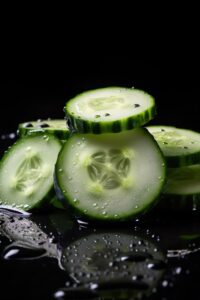
Untitled design – 1 Cucumber and Rose Water: A Refreshing Glow-Up

Cucumber has a cooling effect on the skin, making it perfect for soothing and rehydrating. It helps in reducing puffiness and dark circles, especially around the eyes. Rose water, a natural astringent, balances the skin’s oil production, tightens pores, and provides a refreshing lift. Together, they work synergistically to hydrate and rejuvenate, giving your face an immediate refreshed glow.
How to Use:
- Extract the juice from half a cucumber and mix it with two tablespoons of pure rose water.
- Apply this mixture to your face with a cotton pad.
- Leave it on for 10-15 minutes, then rinse with cool water.
This remedy not only gives your skin a burst of hydration but also revitalizes your complexion, offering an instant glow with a refreshed feel.
- Gram Flour and Yogurt: Exfoliate for Smooth, Glowing Skin
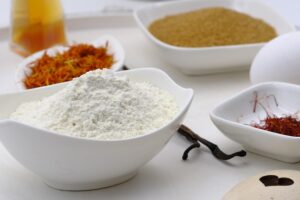

Exfoliation is a critical step in achieving radiant skin. Gram flour (bean) serves as a natural exfoliate, while yogurt, packed with lactic acid, helps break down dead skin cells and reveal a fresher, more youthful layer. This scrub also balances the skin’s oil production, ensuring it doesn’t look too dry or too oily, leaving it soft, smooth, and glowing.
How to Use:
- Mix two tablespoons of gram flour with one tablespoon of yogurt to form a paste.
- Apply the mixture evenly on your face and massage in circular motions for 2-3 minutes.
- Leave it on for another 5-10 minutes, then rinse with lukewarm water. It will add Instant Glow on Your Face.
The exfoliating effect, combined with yogurt’s hydration, will not only remove dead skin but also brighten your complexion instantly.
-


Papaya is often used in skin care for its enzyme, papain, which helps break down dead skin cells and promotes skin renewal. Rich in vitamin C, papaya also acts as a natural lightener, reducing dark spots and discoloration. When paired with honey, it boosts hydration and nourishment, resulting in glowing, healthy skin.
How to Use:
- Mash a small piece of ripe papaya and mix it with one teaspoon of honey.
- Apply it evenly to your face and leave it on for 10-15 minutes.
- Wash it off with warm water.
The result is glowing, nourished skin that feels smooth and hydrated.
- Olive Oil and Sugar Scrub: Deep Moisture and Smoothness

Olive oil is a luxurious moisturizer, packed with antioxidants that protect and nourish the skin. Sugar, when used as an exfoliate, gently sloughs off dead skin cells to reveal smooth, fresh skin. Together, this combination hydrates while providing deep exfoliation, making your skin glow from within.
How to Use:
- Mix one tablespoon of olive oil with one tablespoon of sugar.
- Massage the mixture onto your face in circular motions for 2-3 minutes.
- Rinse thoroughly with lukewarm water for Instant Glow on Your Face.
The sugar exfoliates while the olive oil hydrates, leaving your skin soft, smooth, and glowing immediately.
-

Milk is a gentle exfoliate due to the lactic acid it contains, while saffron has been prized for centuries for its ability to brighten the skin and improve skin texture. Saffron also helps lighten hyperpigmentation, making your skin look more even-toned and radiant.
How to Use:
- Soak a few strands of saffron in 2 tablespoons of milk for about 10 minutes.
- Apply this mixture to your face using a cotton pad.
- Let it sit for 15-20 minutes, then rinse with cool water.
This luxurious remedy will immediately leave your skin brighter and visibly glowing, giving it a smooth, clear complexion.
- Lemon and Baking Soda: Brightening and Deep Cleaning
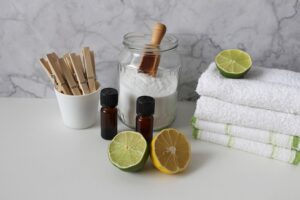
Lemon and baking soda together act as a potent combination to brighten and cleanse the skin which Instant Glow on Your Face. Lemon works as a natural bleaching agent, while baking soda exfoliates and removes deep-seated dirt. This scrub cleanses and brightens your skin instantly, leaving it fresh and glowing.
How to Use:
- Mix half a teaspoon of baking soda with the juice of half a lemon.
- Apply this paste gently to your face and massage for a minute.
- Wash it off with lukewarm water.
This scrub, when used sparingly, cleanses the skin and brightens it instantly, but be cautious if you have sensitive skin, as baking soda can be abrasive.
- Turmeric and Coconut Oil: Nourishment and Glow

Turmeric is a well-known anti-inflammatory and brightening agent, and coconut oil, being rich in fatty acids, deeply nourishes the skin. This combination works to reduce dullness and restore natural radiance, leaving the skin looking plump, soft, and glowing.
How to Use:
- Mix a pinch of turmeric with one tablespoon of coconut oil to form a paste.
- Apply this paste to your face and leave it on for 15 minutes.
- Rinse it off with lukewarm water.
This remedy not only provides instant glow but also nourishes and repairs the skin, giving it a radiant, youthful appearance.
Final Thoughts: Glow Naturally with Simple Ingredients
You don’t need to rely on expensive beauty treatments or harsh chemicals to achieve glowing skin & to add Instant Glow on Your Face. The natural ingredients in your kitchen can do wonders for your skin, giving it the hydration, nourishment, and exfoliation it needs for an instant glow. From honey and lemon to turmeric and coconut oil, these home- 
Regularly using these natural treatments will not only give you an immediate glow but will also contribute to your skin’s long-term health and vitality. Remember, the key to glowing skin is consistency, hydration, and nourishment. So, pamper your skin naturally and watch it shine with a fresh, radiant Instant Glow on Your Face.