




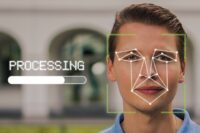
Beyond Smart: How AI Emotion Recognition Is Rewriting the Future of Human Connection
AI Isn’t Just Thinking—It’s Starting to Feel

For years, artificial intelligence amazed us with its logic, speed, and memory. But in 2025, the game has changed. We’ve crossed a new threshold—not just smarter AI, but AI that recognizes, decodes, and responds to human emotion.
This is no longer science fiction. It’s the frontier of AI emotion recognition, and it’s transforming everything from mental health care to customer service, from education to relationships. It’s not just about machines understanding data—it’s about them understanding you.
Why Emotion Is the Final Piece in Human-AI Interaction
We’ve built machines that can beat us at chess, recommend our next movie, and even drive our cars. But for years, AI lacked one crucial ability: empathy. Without emotional context, even the smartest AI felt cold, robotic, and detached from real human needs.
That’s where AI emotion recognition comes in—by bridging the emotional gap, it’s enabling technology to communicate in a way that finally feels human.
How AI Emotion Recognition Actually Works
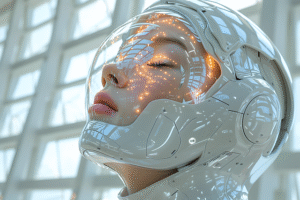
Here’s how it typically works:
-
🎭 Facial Analysis: AI detects micro-expressions and muscle movement to identify emotions like fear, joy, or boredom.
-
🎤 Voice Recognition: Changes in pitch, speed, and tone reveal stress, sadness, or excitement.
-
🧠 Natural Language Processing (NLP): AI evaluates the words you say (and how you say them) to understand emotional context.
-
📱 Real-Time Feedback Loops: Smart systems adapt on the fly based on your changing mood.
This isn’t about reading minds—it’s about reading cues. And the results are astounding.
Industries Being Transformed by Emotionally Intelligent AI
AI emotion recognition is not just a tech gimmick—it’s already reshaping industries in meaningful ways:

-
🩺 Healthcare: AI detects early signs of depression or anxiety through voice and facial scans—sometimes even before the patient is aware.
-
🎓 Education: EdTech platforms adjust teaching pace based on whether students appear confused, engaged, or overwhelmed.
-
💬 Customer Service: Chatbots now recognize customer frustration and escalate to human agents instantly.
-
🚘 Automotive: AI in smart cars monitors driver emotion to reduce road rage and prevent accidents.
-
🎮 Entertainment: Games and content platforms adjust experiences in real-time based on viewer emotions.
What used to be cold code is becoming deeply human-aware.
The Ethical Dilemma: Should AI Know How We Feel?
As thrilling as this advancement is, it opens up a storm of ethical questions. Just because AI can recognize emotions—should it?

Consider the risks:
-
❌ Privacy Invasion – Emotional data is deeply personal. How will it be stored, shared, or sold?
-
❌ Manipulation – What happens when marketers or political groups use AI to exploit emotional triggers?
-
❌ Bias – Misreading emotion, especially across cultures and neurodiverse users, can lead to harmful misunderstandings.
We need global standards, regulations, and AI transparency now more than ever to ensure this power isn’t abused.
The Future of AI Emotion Recognition: Friend or Faux?
Imagine your smartwatch knowing you’re anxious before you do—and suggesting a calming playlist. Or a smart home system dimming the lights when it detects you’re overstimulated. This isn’t far away. It’s already happening.
AI emotion recognition will soon be integrated into:

-
📱 Smartphones
-
🧠 Virtual therapists
-
🎥 Interactive films
-
🏪 Retail personalization
-
💼 HR and employee wellness tools
Whether it enhances life or crosses the line will depend on how we build and use it.
Conclusion: Emotion Is the Next AI Superpower
In a world overwhelmed by information and automation, empathy might be the most powerful technology of all.
AI emotion recognition is not here to replace human connection—it’s here to enhance it. It’s about giving technology emotional intelligence so it can serve us better, listen deeper, and respond in ways that feel truly human.
The machines are not just learning to think. They’re learning to care. And if we get it right, that could change everything.