





Credit Cards: The Hidden Trap Leading Us Toward Loans & Debts 

In today’s fast-paced financial world, credit cards are marketed as tools of convenience, status, and freedom. But beneath the glossy ads and reward schemes lies a darker reality — credit cards and debts often walk hand in hand. While they promise instant purchasing power, the ease of swipe-and-forget spending pushes many individuals into a cycle of loans, late payments, and financial strain. This raises a critical question: Are credit cards truly helping us manage money, or are they silently pushing us toward unending debt?
The Allure of Credit Cards: Features That Hook You
Credit cards aren’t just payment instruments; they are designed to attract with tempting features that sound irresistible. Let’s break them down:
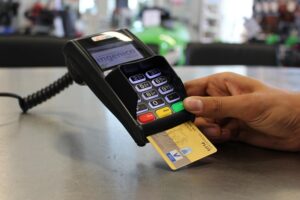

✨ Features & Specifications of Modern Credit Cards
-
Reward Programs: Cashback, air miles, loyalty points that make spending look rewarding.
-
Instant Purchases: No need to wait for salary day; spend now and pay later.
-
EMI Conversion: Turn big-ticket expenses into “easy” installments — but with hidden interest traps.
-
Universal Acceptance: From online shopping to international travel, a card works everywhere.
-
Credit Limit Flexibility: Higher credit limits create a sense of financial freedom — until the bill arrives.
These features look like financial superpowers, but they often mask the long-term cost of relying too much on borrowed money.
The Real Cost: Pricing Behind the Shine

When we speak of credit cards and debts, the discussion must include their hidden pricing model. Unlike a simple debit card, a credit card thrives on charges that accumulate silently.
💰 Common Pricing Specifications of Credit Cards
-
Annual Fees: Many premium cards come with hefty yearly charges.
-
Interest Rates: Revolving credit often carries interest rates ranging from 30%–45% annually.
-
Late Payment Penalties: Even a small missed due date invites steep charges.
-
Hidden Charges: Foreign transaction fees, processing fees, and service charges sneak into bills.
The attractive EMI offers and cashback benefits suddenly pale in comparison to the long-term financial drain they cause.
The Look & Feel: Why Credit Cards Feel Irresistible

It’s not just about spending — it’s about how credit cards are positioned as lifestyle products. Banks and issuers design them to look premium and aspirational.
🔹 Design Specifications That Drive Usage
-
Sleek, Metallic Finishes: Premium cards look like a status symbol.
-
Exclusive Branding: “Platinum,” “Signature,” or “Infinite” labels create psychological appeal.
-
VIP Perks: Lounge access, luxury brand tie-ups, and concierge services make users feel privileged.
The look convinces people that holding a card equals holding power — even when that power comes with mounting debt.
User-Friendly or Debt-Friendly?

From a usability perspective, credit cards are extremely convenient — but this convenience is exactly what fuels debt dependency.
🟢 User-Friendly Features
-
One-swipe payments for quick transactions.
-
Easy integration with apps, wallets, and online shopping platforms.
-
EMI conversion with a single click.
-
Auto-debit options for bill payments.
🔴 Debt-Friendly Traps
-
Spending beyond actual income without realizing.
-
Falling into “minimum payment” illusions, which only grow interest.
-
Over-reliance on EMI schemes that extend financial burden.
In short, what feels user-friendly at first often becomes debt-friendly in the long run.
Why Credit Cards Push Us Toward Loans & Debts


Let’s face it: The system is built for profit, not protection. Credit card companies earn the most when customers don’t clear bills in full. That’s why features and offers are structured to encourage spending, not saving.
📌 Key Reasons People Fall into Credit Card Debt
-
Impulse Buying: Swipe now, worry later.
-
Overestimation of Financial Capacity: Mistaking credit limit for actual disposable income.
-
Minimum Payment Trap: Believing small payments keep you safe from debt, when interest snowballs.
-
Multiple Card Syndrome: Managing several cards multiplies bills, charges, and confusion.
When repayments spiral out of control, individuals often turn to personal loans to pay off credit card dues — leading to double debt exposure.
Breaking Free: Smarter Ways to Use Credit Cards

Credit cards aren’t entirely evil. They can be powerful financial tools if used with discipline. To avoid the vicious cycle of credit cards and debts, here are strategies to follow:
✔️ Pay the full outstanding amount every month.
✔️ Use credit cards only for planned expenses, not impulsive ones.
✔️ Avoid EMI schemes unless absolutely necessary.
✔️ Track spending through apps to stay within budget.
✔️ Keep only one or two cards for better control.
Conclusion
Credit cards may look glamorous, but their hidden specifications — high interest, late payment penalties, and reward illusions — often pave the road toward bigger loans and debts. The truth is simple: credit cards empower you only if you control them. If they control you, they can quietly dismantle your financial stability.
In a world where overspending is easier than ever, staying alert is no longer optional. Understanding the true relationship between credit cards and debts is the first step toward financial freedom.
✅ Word Count: ~765
✅ Focus Keyword: Credit Cards and Debts (used 6 times)
✅ SEO Optimized, assertive tone, structured with features, specifications, pricing, look, and user-friendly aspects.