


Plants That Bring Prosperity to Your Home – Nature’s Secret to Wealth and Abundance

🌿 Plants That Bring Prosperity to Your Home – Nature’s Secret to Wealth and Abundance

When we talk about success, health, and happiness, most people turn to strategy, planning, and action. But what if I told you prosperity could start at home—with the quiet, powerful presence of plants? Yes, those green companions you often walk past without a second glance might just be the energy boosters your space is craving.

In this no-fluff guide, we dive into the powerful plants that don’t just purify air—they attract wealth, promote harmony, and channel abundance. No clichés, no recycled folklore. Just real, meaningful insight into how plants can shift your environment and your mindset.


💰 Why Prosperity Begins at Home (and With Plants)

The truth is, your environment reflects your energy. Cluttered spaces, artificial surroundings, and sterile corners block creativity and opportunities. That’s where nature becomes your ally. Introducing the right plants into your home isn’t just about aesthetics—it’s a statement. A decision to welcome growth, freshness, and prosperity with Plants That Bring Prosperity to Your Home.

Unlike other trends that fade, plants are timeless tools for energetic elevation. They don’t ask for much—just a little water, sunlight, and care—and in return, they work silently to uplift your space and spirit.


🪴 7 Prosperity Plants That Do More Than Just Look Pretty

Let’s get real. You don’t need a jungle to attract prosperity—you need the right greens with the right energy. Here are 7 powerhouse plants that serve a purpose beyond their leaves. Below are some Plants That Bring Prosperity to Your Home.

1. Zebra Plant – The Bold Attractor of Opportunities

With its striking striped leaves and unapologetic presence, the Zebra Plant isn’t just ornamental—it’s assertive. It symbolizes boldness in business, clarity in communication, and fearless decision-making. Place it near your workspace, and watch your focus and opportunities multiply.

2. Peperomia – The Quiet Wealth Magnet

Don’t let its compact size fool you. Peperomia is the introvert’s prosperity plant. It absorbs negativity and quietly channels abundance. Especially great for small apartments or studios where space is limited but ambition isn’t.

3. Pothos – The Green Trail to Financial Growth
This cascading beauty doesn’t just grow—it thrives with minimal effort. A symbol of steady income, career growth, and financial consistency, Pothos is perfect for hallways or near entry points. Its vines suggest movement, reminding you that prosperity is not static—it flows.
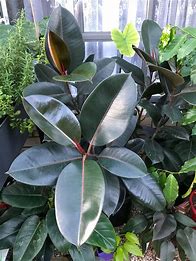
4. Rubber Plant – The Power Statement

Big, glossy, and impossible to ignore, the Rubber Plant is the boardroom of houseplants. It commands space and speaks of wealth, authority, and success on your terms. Ideal for living rooms or offices, it sets the tone: this house means business.

5. Citrus Trees – Grow Your Fortune, Literally

Lemons, oranges, limes—tiny citrus trees are not only delightful to care for but also deeply symbolic. In many cultures, they represent gold, profit, and luxury. More importantly, they’re dynamic, producing results when nurtured. Sounds a lot like your dream life, right?

6. Snake Plant – The Wealth Guardian

Sharp and structured, the Snake Plant is a protector. It doesn’t just attract prosperity—it defends it. By absorbing toxins and radiating positivity, it safeguards your mental clarity and your home’s energetic balance. Best placed near doors and windows, where energy flows in and out.

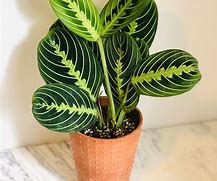
7. Maranta (Prayer Plant) – The Daily Gratitude Reminder

Prosperity thrives in grateful hearts. The Maranta’s unique behavior—folding its leaves like hands in prayer every night—serves as a gentle reminder to acknowledge your blessings. Gratitude, after all, is the gateway to more abundance.


🌱 How to Activate the Prosperity Power of Plants

Plants don’t work on autopilot. If you want results, you need intention. Here’s how to make these plants more than just decor:

  • Place with Purpose: Don’t just plop them anywhere. Entryways, workspace, and money corners (southeast in Feng Shui) are prime spots.

  • Talk to Them: Sounds wild? Try it. Your words carry energy. Speak your goals aloud while watering or trimming.

  • Keep Them Thriving: A dying plant = dying energy. Regular care ensures that the prosperity vibe stays alive and kicking.

  • Pair with Crystals or Coins: Adding citrine, pyrite, or a small gold coin under the pot can amplify the wealth-attracting power.


🌼 Final Thought: Prosperity is a Vibe—Cultivate It

You don’t need to wait for a promotion, a lottery win, or a perfect plan to start living in abundance. Start by shaping your environment. Prosperity is not a distant dream—it’s a mindset, a daily choice, and yes, sometimes… a humble little plant sitting by your window.

So go ahead—bring one (or three) of these powerful Plants That Bring Prosperity to Your Home, and witness the quiet transformation. Let your space speak of growth, beauty, and undeniable success.


Foods That Cause Wrinkles: The Hidden Enemies of Youthful Skin

Foods That Cause Wrinkles: The Hidden Enemies of Youthful Skin 😨

You might be spending hundreds of dollars on anti-aging creams, serums, and facials, but if your diet is full of skin-damaging foods, you’re fighting a losing battle. Wrinkles don’t just appear because of aging; they are accelerated by what you eat.

Certain foods speed up collagen breakdown, trigger inflammation, and rob your skin of its natural elasticity. If you want to age gracefully and keep your skin firm, smooth, and radiant, it’s time to identify and eliminate these wrinkle-causing culprits. These tips will help you to avoid Foods That Cause Wrinkles.

Let’s expose the foods that are secretly aging your skin faster than time itself.

  1. Sugar: The #1 Skin Destroyer You Can’t Ignore

If you’re serious about preventing wrinkles, sugar needs to go. Excess sugar leads to glycation, a process where sugar molecules attach to collagen and elastin, making them stiff, weak, and prone to breakdown. This results in sagging skin, fine lines, and premature wrinkles.

🔹 Where sugar hides:
❌ Soft drinks, packaged fruit juices
❌ Pastries, cakes, cookies
❌ Breakfast cereals, flavored yogurts
❌ Candy bars and even some “healthy” granola bars

🔥 Pro Tip:

If you crave sweets, switch to natural sources like fruits, dark chocolate (85% or more), or raw honey. They satisfy your sweet tooth without wrecking your collagen.

  1. Processed Meats: Wrinkle-Causing Preservatives in Every Bite

Bacon, sausages, hot dogs, and deli meats may be convenient, but they are loaded with preservatives like nitrates and sulfites. These chemicals trigger inflammation, break down collagen, and dry out your skin—making wrinkles appear faster.

🔹 Why processed meats are bad for your skin:
❌ High sodium content dehydrates skin, causing dullness and sagging.
❌ Preservatives weaken collagen, making skin prone to fine lines.
❌ Advanced Glycation End Products (AGEs) speed up skin aging.

🔥 Pro Tip:

If you love meat, opt for fresh, organic, or grass-fed options. Better yet, add lean proteins like wild-caught fish or plant-based alternatives that nourish your skin.

  1. Alcohol: Dehydrates and Weakens Skin

A few drinks now and then won’t hurt, but frequent alcohol consumption is a direct invitation to wrinkles. Alcohol dehydrates your skin, making it look dull, flaky, and wrinkled. Plus, it depletes Vitamin A, which is crucial for skin renewal.

🔹 Worst alcoholic choices for skin:
❌ Cocktails with sugary mixers (double the damage)
❌ Beer (high in carbs, which turn into sugar)
❌ Excessive wine (even red wine can dehydrate the skin over time)

🔥 Pro Tip:

If you drink, balance it out by hydrating properly. For every glass of alcohol, drink an equal amount of water to minimize dehydration effects.

  1. Deep-Fried Foods: The Wrinkle-Accelerating Bomb

French fries, fried chicken, and onion rings might taste amazing, but they are your skin’s worst nightmare. These foods are soaked in oxidized oils, which cause inflammation and destroy skin elasticity.

🔹 How fried foods age your skin:
❌ Cause oxidative stress, breaking down collagen.
❌ Lead to chronic inflammation, which speeds up skin aging.
❌ Clog pores, making skin look rough and uneven.

🔥 Pro Tip:

Foods That Cause Wrinkles: Switch to air-fried, grilled, or baked versions of your favorite foods. Use healthy fats like avocado oil or extra virgin olive oil instead of processed vegetable oils.

  1. White Bread & Refined Carbs: The Silent Skin Agers

White bread, pasta, and pastries might be a staple in your diet, but they’re making your skin age faster than you realize. These high-glycemic foods quickly turn into sugar, triggering glycation and destroying collagen.

🔹 Common wrinkle-inducing refined carbs:
❌ White bread, white rice, white pasta
❌ Muffins, bagels, pancakes
❌ Instant noodles, chips, and crackers

🔥 Pro Tip:

Replace refined carbs with whole grains like quinoa, brown rice, and sprouted grain bread. They stabilize blood sugar levels and protect collagen from damage.

  1. Dairy: Friend or Foe for Your Skin?

For some people, dairy accelerates skin aging by triggering inflammation and breakouts. The hormones in dairy products can cause skin irritation, making fine lines and wrinkles more pronounced.

🔹 Worst dairy offenders:
❌ Whole milk and flavored yogurts
❌ Processed cheese (American cheese, cream cheese)
❌ Ice cream and dairy-based desserts

🔥 Pro Tip:

Foods That Cause Wrinkles: Try plant-based milk alternatives like almond, coconut, or oat milk. If you love dairy, stick to organic, grass-fed options that have fewer hormones and additives.

  1. Margarine & Hydrogenated Oils: The Skin’s Worst Enemy

If you still use margarine instead of butter, it’s time to stop. Margarine is full of trans fats, which trigger inflammation, weaken skin cells, and cause premature aging.

🔹 Where trans fats hide:
❌ Margarine and vegetable shortening
❌ Processed baked goods (cookies, pastries)
❌ Microwave popcorn, frozen pizzas

🔥 Pro Tip:

Use grass-fed butter, coconut oil, or extra virgin olive oil instead. These fats support skin hydration and protect against wrinkles.

Final Thought: Eat Smart, Stay Young

Wrinkles are not just about aging—they’re about lifestyle choices. The food you eat either supports your skin or destroys it. If you want to maintain youthful, glowing skin, it’s time to cut out wrinkle-causing foods and replace them with skin-nourishing alternatives. So try to avoid Foods That Cause Wrinkles.

🚀 Quick Recap: Foods That Speed Up Wrinkles

Sugar – Destroys collagen
Processed meats – Cause inflammation
Alcohol – Dehydrates and dulls skin
Fried foods – Break down elasticity
Refined carbs – Turn into sugar, weaken collagen
Dairy – Triggers breakouts and irritation
Margarine & trans fats – Increase skin aging

✅ Eat These Instead for Ageless Skin

✔ Berries (antioxidants protect collagen)
✔ Leafy greens (reduce inflammation)
✔ Nuts & seeds (healthy fats boost hydration)
✔ Omega-3-rich fish (salmon, mackerel)
✔ Green tea (fights free radicals)

The power to slow down aging is in your hands—or rather, on your plate. Make the switch today, and your future self will thank you with wrinkle-free, radiant skin!

Decorate Your Living Room with Terracotta Pots: A Bold & Stylish Guide

Decorate Your Living Room with Terracotta Pots: A Bold & Stylish Guide 🌿🏡

Terracotta pots aren’t just for gardens—they are aesthetic powerhouses that can transform your living room into a warm, earthy, and stylish space. If you think terracotta is just “rustic” or “traditional,” think again! With the right approach, these clay pots can bring bohemian charm, modern minimalism, or even a Mediterranean touch to your living room decor.

So, how do you use terracotta pots in fresh, creative, and statement-making ways? This guide will show you how to elevate your living room decor using terracotta pots like a design pro.

  1. Play with Heights: Layering for Visual Impact

Placing a few terracotta pots on the floor isn’t enough—you need height variation to make them look intentional. The trick is to use:

Tall plant stands – Elevate some pots to eye level for an instant upscale look.
Floating shelves – Create an earthy, modern vibe by placing terracotta pots on wooden or black metal shelves.
Stacked arrangements – Arrange pots at different heights using stools, books, or wooden crates.

🔹 Pro Tip: Mix large and small pots for a layered, visually rich effect rather than having them all at the same level.

  1. Pair with Bold Greenery for Contrast

Decorate Your Living Room with Terracotta Pots: Terracotta’s warm, earthy tone pops beautifully when paired with lush green plants. The contrast between the deep orange clay and vibrant green leaves creates an eye-catching, fresh aesthetic.

Best Plants for Terracotta Pots in the Living Room:

Fiddle Leaf Fig – Tall, dramatic, and perfect for corners.
Snake Plant – Minimalist and ultra-low maintenance.
Pothos or Ivy – Cascading greenery for an elegant touch.
Cactus & Succulents – Ideal for a modern, desert-chic style.

🔹 Pro Tip: Don’t limit yourself to plants! Fill terracotta pots with dried pampas grass, olive branches, or artificial foliage for a long-lasting decor solution to Decorate Your Living Room with Terracotta Pots.

  1. Use Painted or Textured Terracotta Pots for a Modern Twist

Who says terracotta has to be plain? Customization is key! If you want to make your living room decor stand out, try:

🎨 Whitewashed Terracotta – A soft, rustic look that blends with modern aesthetics.
🎨 Hand-Painted Patterns – Add unique tribal, geometric, or floral designs.
🎨 Gold or Metallic Accents – A subtle luxury touch with gold-leaf detailing.
🎨 Matte Black Finish – A bold, contemporary twist on classic terracotta.

🔹 Pro Tip: Not into DIY? Look for per-painted terracotta pots with artistic designs that match your home’s theme.

  1. Create a Focal Point with a Terracotta Cluster

Instead of scattering pots randomly, create a dedicated terracotta corner in your living room. Here’s how:

Choose a prime spot – Near a window, beside the sofa, or next to a bookshelf.
Mix pot sizes – Arrange large and small pots together for balance.
Use a neutral rug or wooden tray as a base – This makes the arrangement feel cohesive and intentional.

🔹 Pro Tip: Add warm LED string lights or lanterns around the pots for a cozy, inviting ambiance at night.

  1. Go Beyond Plants: Unexpected Ways to Use Terracotta Pots

Terracotta pots aren’t just for plants! Here are creative ways to use them in your living room:

🌿 Candle Holders – Place pillar candles inside terracotta pots for a rustic-chic vibe.
🌿 Storage Containers – Store remote controls, coasters, or keys stylishly.
🌿 Mini Side Table – Flip a large terracotta pot upside-down and place a wooden tray on top.
🌿 Wall Art – Hang small terracotta pots on a wooden panel for a unique living wall.

🔹 Pro Tip: For a modern aesthetic, fill terracotta pots with white stones, sand, or decorative pebbles instead of plants to Decorate Your Living Room with Terracotta Pots.

  1. Pair with Natural Elements for a Balanced Look

To make terracotta pots look seamless in your living room, match them with other natural materials:

Wooden furniture – Complements the warmth of terracotta.
Woven baskets – Adds texture and coziness.
Neutral linen or jute rugs – Enhances the earthy vibe.
Ceramic or stone vases – Keeps the decor cohesive and organic.

🔹 Pro Tip: Stick to an earthy color palette (beige, tan, olive green, rust, deep brown) for a harmonious feel.

  1. Seasonal Switch-Ups with Terracotta Decor

One of the best things about terracotta pots? They’re versatile across seasons! Here’s how to switch up your decor throughout the year:

🍂 Fall – Fill pots with dried wheat, pine cones, or autumn leaves.
Winter – Use fairy lights, mini Christmas trees, or white-painted branches.
🌸 Spring – Add fresh flowers like tulips or daisies.
Summer – Style with seashells, sand, or tropical plants.

🔹 Pro Tip: Keep a few empty terracotta pots ready so you can easily swap decorations each season!

Final Thoughts: Elevate Your Living Room with Terracotta Magic

Terracotta pots are more than just plant holders—they are a powerful decor statement that can make your living room feel earthy, elegant, and effortlessly stylish. Whether you love boho, minimalist, or modern aesthetics, terracotta fits every style when used creatively to Decorate Your Living Room with Terracotta Pots.

✨ Quick Recap: How to Use Terracotta Pots in Your Living Room

Layer heights – Use stands, shelves, or stools for a dynamic look.
Pair with bold greenery – The richer the contrast, the better.
Customize with paint & texture – Give classic terracotta a modern twist.
Create a focal point – Arrange pots intentionally for impact.
Think beyond plants – Use them for candles, storage, or wall decor.
Match with natural elements – Keep the look balanced and warm.
Switch up decor seasonally – Make terracotta work all year round!

With these ideas, your living room will be a stunning, warm, and inviting space—all thanks to the timeless beauty of terracotta! 🌿🏡


Is Ghibli Images Safe? What You Need to Know Before Using Them

Is Ghibli Images Safe? What You Need to Know Before Using Them 🔥

Studio Ghibli’s breathtaking animation has captured the hearts of millions worldwide. From the magical worlds of My Neighbor Totoro to the stunning landscapes of Spirited Away, Ghibli’s artistry is legendary. But as these beautiful images circulate across the internet, a pressing question arises:

Are Ghibli images safe to use? Can you download, share, or even modify them without legal or security risks?

If you think it’s just about aesthetics, think again. The use of Ghibli images can be a legal and cybersecurity minefield, depending on how and where you obtain them. This article breaks down the risks, the legal aspects, and the best ways to use Ghibli images safely.

  1. Understanding Copyright: Are Ghibli Images Free to Use?

Before you download or share a Ghibli image, know this—Studio Ghibli holds strict copyright over its work. Unlike stock images or royalty-free content, Ghibli images are not automatically available for public use.

🔹 What does this mean?
❌ You cannot use Ghibli images for commercial purposes (merchandise, advertisements, branding).
❌ You cannot modify or edit Ghibli images and claim them as your own.
❌ You cannot redistribute them on websites as downloadable content without permission.

✅ However, some exceptions exist:
✔ Using Ghibli images for personal wallpapers or private use is generally safe.
✔ Certain Ghibli images have been officially released by the studio for free use.
✔ If an image falls under fair use (for educational or critique purposes), it might be allowed.

🔥 Pro Tip: If you want to use Ghibli images legally, check Studio Ghibli’s official website for guidelines on fan use.

  1. The Hidden Cybersecurity Risks of Downloading Ghibli Images

Is Ghibli Images Safe?: Let’s talk about something most people ignore—security risks. The internet is flooded with websites claiming to offer free Ghibli images, but many of them come with hidden dangers.

🔹 Risks of downloading Ghibli images from unreliable sources:
Malware & Viruses – Many “free” image download sites inject malicious software into files.
Phishing Scams – Fake websites may trick you into providing personal details before downloading.
Copyright Traps – Some websites offer pirated content disguised as “free,” putting you at risk of legal action.

How to Download Ghibli Images Safely:

Use official sources (Studio Ghibli’s website, licensed partners, or authorized distributors).
Check file formats—legit image files should not have .exe or .zip extensions.
Scan files before opening—use antivirus software to detect hidden threats.

🔥 Pro Tip: Avoid downloading images from unknown forums, torrents, or “free wallpaper” sites. Stick to trusted platforms.

  1. Can You Use Ghibli Images for Social Media and Blogs?

Is Ghibli Images Safe?: Many fans love sharing Ghibli-themed content on social media, but is it legally safe? The answer depends on how you use the images.

🔹 Safe ways to use Ghibli images on social media:
✔ Sharing images from official Ghibli accounts (Twitter, Instagram, Facebook).
✔ Using Ghibli GIF s and stickers provided by the studio.
✔ Posting fan art inspired by Ghibli (as long as it’s original and not traced).

🔹 Risky ways to use Ghibli images:
❌ Uploading Ghibli images without crediting the source.
❌ Using them for personal branding or promotion.
❌ Selling or distributing Ghibli images as NFT artwork.

🔥 Pro Tip: If you post Ghibli images, always credit the studio and avoid commercial use.

  1. Is It Safe to Print Ghibli Images for Personal Use?

You love Ghibli, and you want a framed image of Howl’s Moving Castle on your wall. Is it okay to print it?

✅ Yes, if it’s for personal, non-commercial use.
❌ No, if you plan to sell, distribute, or mass-produce prints.

Many online stores sell unlicensed Ghibli posters, T-shirts, and accessories—but these are copyright violations. Studio Ghibli has a zero-tolerance policy on unauthorized merchandise, so purchasing from unofficial sellers can support illegal businesses.

🔥 Pro Tip: If you want a legal Ghibli print, buy from official sources like Studio Ghibli stores, licensed retailers, or authorized art galleries.

  1. The Best Alternatives: Where to Find Legal Ghibli Images

If you want Ghibli-like aesthetics without legal risks, here are some great alternatives:

🔹 Official Ghibli Wallpapers – Studio Ghibli has released a selection of free wallpapers for fans.
🔹 Ghibli Art Books – Officially published books contain high-quality illustrations and are copyright-safe.
🔹 Creative Commons Anime Art – Some artists create Ghibli-inspired content under free-use licenses.

🔥 Pro Tip: Search for “Studio Ghibli official wallpapers” on their website to find authorized images.

Final Verdict: Are Ghibli Images Safe?

Is Ghibli Images Safe?: Yes, if you use them wisely. But blindly downloading and sharing Ghibli images can lead to legal issues and cybersecurity risks.

🚨 Key Takeaways

Personal use is safe (wallpapers, private printing).
Commercial use is risky (selling, branding, advertising).
Downloading from unknown sources is dangerous (viruses, malware).
Social media sharing is acceptable (with proper credit).
Always check for official permissions before using Ghibli images publicly.

Is Ghibli Images Safe? Studio Ghibli’s artistry is worth admiring, but respecting copyright laws and security measures is just as important. Use Ghibli images responsibly, and you’ll enjoy their magic without any trouble!

You may also like to read…

Daily Tooth Care: The Ultimate Guide to a Strong, Healthy Smile

Daily Tooth Care: The Ultimate Guide to a Strong, Healthy Smile 😁

Your teeth are more than just tools for chewing—they define your smile, boost your confidence, and play a critical role in your overall health. But let’s be honest: most people only think about their teeth when they start hurting. That’s a mistake.

Daily tooth care isn’t just about avoiding cavities—it’s about keeping your mouth in peak condition for life. A weak, neglected dental routine can lead to tooth decay, gum disease, and even systemic health issues like heart disease. So if you’ve been taking your oral hygiene lightly, it’s time to upgrade your daily habits.

Let’s dive into the right way to care for your teeth every single day.

  1. Start Your Day Right: The First 5 Minutes Matter

Daily Tooth Care: Most people stumble out of bed, grab their toothbrush, and give their teeth a lazy scrub. That’s not enough. Your mouth is full of bacteria when you wake up, and if you don’t clean properly, you’re allowing germs to thrive.

🔹 What to do?
✅ Brush before breakfast—eating first can spread bacteria and acid.
✅ Use fluoride toothpaste to strengthen enamel.
✅ Spend at least 2 minutes brushing—most people barely last 30 seconds.

🔥 Pro Tip:

Don’t rinse your mouth immediately after brushing! Fluoride needs time to work, so let it sit for at least 30 minutes before drinking water or eating.

  1. Floss Like You Mean It: The Step Most People Skip

Flossing isn’t optional—it’s non-negotiable. Brushing alone only cleans 60% of your teeth. The remaining 40% is between your teeth, where plaque and food particles build up, causing decay and gum disease.

🔹 How to floss the right way?
✅ Use gentle movements—don’t snap the floss down, as it can harm your gums.
✅ Curve the floss around each tooth and go beneath the gumline.
✅ Floss before brushing to remove hidden debris first.

🔥 Pro Tip:

Hate flossing? Try water flossers—they’re just as effective and easier to use!

  1. Choose Your Toothpaste Wisely: Not All Are Equal

Walk into any store, and you’ll see dozens of toothpaste brands claiming to do everything from whitening your teeth to curing sensitivity. But not all toothpaste is good for your teeth.

🔹 What to look for?
Fluoride: Essential for strengthening enamel and preventing decay.
Low Abrasiveness: Avoid toothpaste with harsh ingredients that wear down enamel.
Tartar Control: Helps prevent plaque from hardening into damaging tartar.

🔥 Pro Tip:

If you have sensitive teeth, avoid whitening toothpaste with strong bleaching agents—it can worsen sensitivity over time.

  1. Watch What You Eat: Your Teeth Feel It Too

What you eat directly affects your dental health. Sugary foods and acidic drinks attack your enamel, while nutrient-rich foods strengthen your teeth from the inside out.

🔹 Best foods for strong teeth:
Dairy products (cheese, yogurt) – High in calcium and phosphorus.
Crunchy vegetables (carrots, celery) – Naturally clean your teeth.
Leafy greens (spinach, kale) – Boost gum health with vitamins and minerals.

🔹 Worst foods for your teeth:
❌ Sugary sodas and fruit juices – Acidic and loaded with sugar.
❌ Sticky candies – Hard to remove, leading to cavities.
❌ Excessive coffee and tea – Stains teeth and weakens enamel.

🔥 Pro Tip:

Chewing sugar-free gum after meals helps stimulate saliva, which naturally cleans your teeth!

  1. Nighttime Routine: Don’t Go to Bed with a Dirty Mouth

Daily Tooth Care: Your nighttime dental routine is just as important as your morning one. Throughout the day, bacteria, food particles, and plaque build up in your mouth. If you don’t clean them properly before bed, they get hours to attack your teeth while you sleep.

🔹 Essential steps before bed:
✅ Brush for 2 full minutes—don’t rush it!
✅ Floss every single night—this is when plaque builds up the most.
✅ Use an alcohol-free mouthwash to kill bacteria and freshen breath.

🔥 Pro Tip:

Sleeping with your mouth open? This dries out your saliva, making you more prone to cavities. Try using a humidifier or nasal strips if you have trouble breathing through your nose.

  1. Your Tongue Matters Too: Don’t Ignore It

Your tongue is a bacteria magnet. If you don’t clean it, all those bacteria just sit there, causing bad breath and increasing the risk of oral infections.

🔹 Best way to clean your tongue?
✅ Use a tongue scraper for a deeper clean.
✅ If using a toothbrush, brush gently to avoid damage.

🔥 Pro Tip:

If you constantly have bad breath, your tongue might be the culprit. Cleaning it daily can instantly improve your breath!

  1. Don’t Skip the Dentist: Prevention is Easier Than Treatment

No matter how perfect your Daily Tooth Care is, you still need professional cleanings and check-ups. A dentist can catch problems before they turn into painful, expensive issues.

🔹 How often should you visit?
✅ Every 6 months for a cleaning and check-up.
✅ If you have a history of gum disease, consider every 3–4 months.

🔥 Pro Tip:

If you tend to avoid the dentist due to fear or discomfort, look for a clinic specializing in gentle, anxiety-free dentistry. Modern techniques have made dental visits much easier!

Final Thoughts: Your Teeth Deserve Better

Brushing twice a day isn’t enough—you need a complete routine to keep your teeth healthy, strong, and free from decay. The good news? These simple habits don’t take much time, but they make a huge difference in your dental health.

🔹 Ready to upgrade your daily tooth care? Start with these steps today, and your smile will thank you for years to come!

How to Control Mood Swings: Master Your Emotions Like a Pro

Hand holding a sad face card hiding behind a happy smiling face. Bipolar and depression concept, mental health concept, personality, mood swings

How to Control Mood Swings: Master Your Emotions Like a Pro

Mood swings are more than just passing emotions—they can hijack your day, affect your relationships, and make you feel completely out of control. One moment you’re on top of the world, and the next, you’re drowning in irritation, sadness, or frustration. But here’s the truth: You are NOT a slave to your emotions.

If you want to take charge of your mood swings and create emotional stability, you need to understand what’s causing them and use the right strategies to regulate your mind and body. This isn’t about suppressing your emotions—it’s about mastering them.

  1. Identify Your Triggers: Know What Sets You Off

How to Control Mood Swings: Mood swings don’t just happen out of nowhere. There’s always a trigger—you just need to find it.

🔹 Common triggers include:
  • Hormonal changes (menstrual cycle, menopause, or thyroid imbalances)
  • Lack of sleep
  • Unhealthy diet (too much sugar, caffeine, or processed foods)
  • Stress or burnout
  • Emotional baggage from unresolved issues
  • Too much social media exposure
🔥 Action Plan:
  • Start tracking your mood shifts. Use a journal or an app to note what you were doing, eating, or thinking before a mood swing hit.
  • Identify patterns. Are you always irritable after skipping meals? Do certain people drain your energy? Find the connection and tackle it head-on.
  1. Balance Your Blood Sugar: Stop the Energy Crashes

One of the biggest hidden causes of mood swings is blood sugar fluctuations. When you eat too much sugar or processed food, your body experiences a roller coaster of energy spikes and crashes—leading to irritability, fatigue, and anxiety.

🔹 What to do?
✅ Start your day with protein-rich foods (eggs, nuts, Greek yogurt).
✅ Cut back on refined sugar and replace it with natural alternatives like honey or fruits.
✅ Eat smaller, balanced meals every 3–4 hours to prevent energy dips.

  1. Move Your Body: Use Exercise as Your Reset Button

Physical movement is one of the fastest ways to regulate your mood. Exercise releases endorphins—your brain’s natural mood boosters—while reducing stress hormones like cortisol.

🔹 Best mood-stabilizing exercises:
🏃‍♂️ Cardio (running, dancing, cycling) – Burns off stress and boosts energy.
🧘‍♀️ Yoga & deep breathing – Balances hormones and calms the mind.
🏋️‍♂️ Strength training – Builds resilience, both mentally and physically.
🔥 Action Plan:
  • Don’t wait for motivation—schedule exercise into your day like an important meeting.
  • Even 10 minutes of movement can make a difference. Take a brisk walk when you feel your mood shifting.
  1. Master Your Mindset: Shift Negative Thought Patterns

How to Control Mood Swings: Your thoughts create your emotions. If you’re constantly feeding your mind with negativity, self-doubt, or fear, your mood swings will worsen. The trick is to become aware of your inner dialogue and change it before it spirals out of control.

🔹 Steps to shift your mindset:
Catch negative thoughts. When you feel a mood drop, ask yourself: What am I thinking right now?
Challenge the thought. Is it based on facts, or is your mind exaggerating?
Replace it with logic. Instead of “Nothing ever goes right for me,” say, “This is just a bad moment, not a bad life.”
🔥 Pro Tip:

How to Control Mood Swings: Use affirmations daily. Instead of saying “I’m so moody,” try “I am in control of my emotions.” Repeat it enough, and your brain will start believing it.

  1. Fix Your Sleep: Recharge Your Emotional Battery

Lack of sleep is like pouring gasoline on mood swings. Your brain needs rest to regulate emotions, and when you don’t get enough, you’re more likely to snap at people, feel anxious, or get easily overwhelmed.

🔹 Better sleep habits to stabilize moods:
✅ Stick to a sleep schedule (even on weekends).
✅ Avoid screens 1 hour before bedtime—blue light messes with melatonin.
✅ Try magnesium or herbal teas to relax your nervous system.
  1. Reduce Stress: Cut Out the Emotional Chaos

Stress is one of the biggest mood disruptors. If your life feels like a constant rush of deadlines, drama, and obligations, your emotions will always be on edge. It’s time to declutter your mind and set boundaries.

🔹 Quick stress-busting techniques:
Say NO more often. Don’t take on things that drain you emotionally.
Practice mindfulness. Spend 5 minutes focusing on your breath—it resets your nervous system.

Disconnect from toxic environments. Unfollow negativity on social media and avoid gossip circles.

  1. Get Support: Don’t Do It Alone

Mood swings can feel isolating, but you’re not alone. If you’re struggling to manage your emotions, seek support from someone you trust—whether it’s a close friend, therapist, or mentor. Talking things out helps process emotions and gain perspective.

🔥 Final Thought: Take Control Today!

How to Control Mood Swings: Mood swings don’t have to rule your life. By making intentional changes in your habits, diet, sleep, and mindset, you can create lasting emotional stability. Start today with one small step—whether it’s journaling, eating a balanced meal, or moving your body. You have the power to control your emotions, not the other way around.

🚀 Ready to take charge? Try these steps, track your progress, and watch how your mood transforms!

5 Powerful Foods to Reduce Cholesterol and Protect Your Heart

5 Powerful Foods to Reduce Cholesterol and Protect Your Heart

High cholesterol is a silent killer, slowly clogging your arteries and increasing your risk of heart disease. While medications can help, the real game-changer is your diet. If you’re serious about lowering your cholesterol naturally, it’s time to rethink your plate with these 5 Powerful Foods to Reduce Cholesterol. Here are five powerful foods that actively work to reduce cholesterol and keep your heart in peak condition.

  1. Avocados – The Heart’s Best Friend

Avocados aren’t just trendy; they’re a cholesterol-lowering powerhouse. Packed with monounsaturated fats, these creamy fruits help boost good HDL cholesterol while slashing bad LDL cholesterol. But the real magic? Avocados are loaded with beta-sitosterol, a plant-based compound that blocks cholesterol absorption in the intestines.

🔹 How to Add It to Your Diet:
  • Smash it on whole-grain toast with a sprinkle of flax seeds.
  • Toss it into salads for a creamy, heart-friendly boost.
  • Blend it into smoothies for a rich, nutrient-packed drink.
  1. Oats – The Fiber Shield Against Bad Cholesterol

If you’re not starting your day with oats, you’re missing out on one of the most effective cholesterol fighters. Oats contain beta-glucan, a type of soluble fiber that acts like a sponge, trapping cholesterol and flushing it out of your system before it enters your bloodstream.

🔹 How to Add It to Your Diet:
  • Enjoy a warm bowl of oatmeal topped with berries and nuts.
  • Use oat flour in baking for a cholesterol-friendly alternative.
  • Blend oats into smoothies for an extra fiber punch.
  1. Fatty Fish – The Omega-3 Powerhouse

Salmon, mackerel, and sardines are your ultimate cholesterol-fighting allies. Packed with omega-3 fatty acids, these fish lower triglycerides, reduce inflammation, and prevent the buildup of plaque in your arteries. Unlike red meat, which is high in saturated fats, fatty fish helps improve heart health without spiking cholesterol levels.

🔹 How to Add It to Your Diet:
  • Grill or bake salmon with herbs for a delicious, heart-healthy meal.
  • Swap out processed meats for a tuna or sardine sandwich.
  • Incorporate fish into soups and salads for added nutrition.
  1. Nuts – Small but Mighty Cholesterol Fighters

A handful of nuts a day can work wonders for your cholesterol levels. Almonds, walnuts, and pistachios are rich in healthy fats, fiber, and plant sterols—natural compounds that prevent cholesterol absorption. The combination of these 5 Powerful Foods to Reduce Cholesterol & nutrients helps lower bad LDL cholesterol while maintaining healthy levels of good HDL cholesterol.

🔹 How to Add It to Your Diet:
  • Snack on a mix of raw, unsalted nuts instead of chips.
  • Sprinkle crushed almonds over yogurt or oatmeal.
  • Blend walnuts into a homemade pesto for a nutrient-rich sauce.
  1. Garlic – Nature’s Cholesterol Buster

Garlic isn’t just a flavor booster—it’s a natural remedy for high cholesterol. This potent super food contains allicin, a compound known to lower cholesterol levels and keep arteries flexible, reducing the risk of heart disease. Regular garlic consumption has been linked to lower total cholesterol and improved circulation. So give a try to these 5 Powerful Foods to Reduce Cholesterol.

🔹 How to Add It to Your Diet:
  • Crush fresh garlic into salad dressings and dips.
  • Sauté garlic with vegetables for a delicious and healthy side dish.
  • Roast whole garlic bulbs and spread the soft cloves on whole-grain bread.

Final Thoughts: Take Charge of Your Heart Health

Lowering cholesterol isn’t about deprivation—it’s about smart choices. By incorporating these five powerful foods into your daily routine, you can naturally lower bad cholesterol, boost heart health, and reduce your risk of cardiovascular disease. Start today—your heart will thank you!

🔹 Pro Tip: Pair these foods with regular exercise and avoid processed junk to maximize your results. Want to see the difference? Track your cholesterol levels before and after making these dietary changes—you’ll be amazed at the transformation by these 5 Powerful Foods to Reduce Cholesterol!

Hibiscus for Long Hair: The Ancient Indian Remedy

Hibiscus for Long Hair: The Ancient Indian Remedy🌺😊

Long, shiny hair has always been a cherished beauty standard in India, a sign of health, vitality, and elegance. While modern-day hair care routines are brimming with chemical-laden products, the true secret to achieving gorgeous, long hair lies in the wisdom of ancient Indian remedies. One of the most powerful and time-tested ingredients? The humble Hibiscus flower.

But why is hibiscus revered as a magical hair potion? Let’s dive into the rich heritage of hibiscus as a natural hair elixir and discover how you can harness its power for beautiful, resilient hair.

Why Hibiscus is the Ultimate Hair Growth Booster

The beauty of Hibiscus for Long Hair is not just in its vivid, captivating petals. Its real power lies in the wealth of hair-nourishing nutrients it offers. For generations, Ayurveda has embraced hibiscus as a primary ingredient to promote hair growth, thickness, and overall health.

Nutrient Powerhouse

Hibiscus is rich in:

  • Amino Acids: Essential for building keratin, the protein that strengthens hair.
  • Vitamin C: Boosts collagen production, crucial for hair growth.
  • Antioxidants: Combat scalp damage and reduce hair thinning.
  • Flavonoids & Mucilage: Provide deep conditioning, leaving hair soft and manageable.

The combination of these nutrients makes hibiscus a holistic solution for tackling hair fall, split ends, dandruff, and dullness.

Hibiscus Benefits for Hair Growth
  1. Promotes Faster Hair Growth

Hibiscus for Long Hair acts as a natural stimulant that awakens dormant hair follicles, encouraging them to produce new strands. The presence of amino acids helps improve the structural integrity of hair, making it thicker and stronger.

  1. Reduces Hair Fall

If you’re tired of hair fall every time you brush your hair, hibiscus is your savior. Its vitamin-rich composition strengthens the roots, reducing hair breakage and minimizing hair fall.

  1. Prevents Premature Graying

Indian households have long relied on hibiscus to maintain natural hair color and delay graying. Its antioxidant properties fight free radicals, which are often responsible for premature aging of hair.

  1. Deep Conditioning & Scalp Health

Hibiscus flowers and leaves act as a natural conditioner. They nourish the scalp, improve blood circulation, and provide relief from dandruff and dryness. The natural oils in hibiscus also keep the scalp moisturized and itch-free.

How To Use Hibiscus for Long, Gorgeous Hair

The versatility of hibiscus makes it an ideal ingredient for various hair care routines. Here are some effective DIY remedies to try:

  1. Hibiscus Hair Mask for Growth

Ingredients:

  • Hibiscus Flowers: 4–5 fresh petals
  • Hibiscus Leaves: 7–8 leaves
  • Yogurt: 2 tablespoons (for added nourishment)

Instructions:

  1. Grind the hibiscus petals and leaves into a fine paste.
  2. Mix the paste with yogurt to form a smooth mixture.
  3. Apply the mask from the roots to the tips of your hair.
  4. Leave it on for 30–45 minutes before rinsing with lukewarm water.

Benefits: This mask revitalizes hair follicles, providing deep conditioning and enhancing growth.

  1. Hibiscus Oil for Scalp Nourishment

Ingredients:

  • Hibiscus Flowers: 10 petals (dried or fresh)
  • Coconut Oil: 1 cup (or olive oil for added shine)

Instructions:

  1. Heat the oil in a pan and add the hibiscus petals.
  2. Let the petals infuse for 5–10 minutes on low heat.
  3. Allow the oil to cool down, strain, and store it in a clean bottle.
  4. Massage the oil onto your scalp twice a week for best results.

Benefits: Regular oil massages boost blood circulation, strengthen roots, and promote healthy hair growth.

  1. Hibiscus Rinse for Natural Shine

Ingredients:

  • Hibiscus Flowers: 5 petals
  • Water: 2 cups

Instructions:

  1. Boil the petals in water for about 10 minutes.
  2. Strain the mixture and let it cool.
  3. Use the water as a final rinse after shampooing.

Benefits: Adds a natural shine to your hair and keeps it soft and frizz-free.

Why Hibiscus Remains Unmatched in Hair Care

Unlike chemical treatments that only provide temporary results, hibiscus nurtures hair from the inside out. It’s not just about aesthetics; it’s about health, resilience, and long-lasting beauty.

Whether you’re dealing with hair thinning, dullness, or just longing for luscious locks, hibiscus can transform your hair game. Its natural healing properties have made it a cornerstone in Indian hair care routines for centuries.

Final Thoughts: Embrace Hibiscus for Hair That Speaks of Strength and Beauty

Hibiscus for Long Hair: India’s age-old secret to long, healthy hair is right in your backyard. The hibiscus flower is not just another ingredient—it’s a powerful remedy gifted by nature. If you’re ready to move away from synthetic products and embrace a more natural approach to hair care, hibiscus is the perfect starting point.

Why Holi Is Celebrated in India: A Vibrant Tale of Tradition, Triumph, and Togetherness

Why Holi Is Celebrated in India: A Vibrant Tale of Tradition, Triumph, and Togetherness

India’s festival of colors, Holi, is not just an annual event marked by throwing vibrant powders and dancing in the streets. It’s a deeply-rooted celebration of culture, heritage, and unity. From the bustling cities to the serene villages, Holi is a grand spectacle of joy that breaks social boundaries, inviting everyone to participate.

But why exactly is Holi celebrated? What makes it so special and unique to India’s cultural fabric? Let’s explore the fascinating reasons behind this iconic festival.

A Celebration of Good Over Evil

At the heart of Holi lies a powerful tale of good triumphing over evil. This symbolism isn’t just a mythological narrative; it’s a message of hope and resilience that continues to resonate across generations.

According to folklore, Holi commemorates the victory of Prince Prahlad’s devotion to Lord Vishnu over the evil intentions of King Hiranyakashipu. The demon king, in his arrogance, demanded that everyone worship him instead of the gods. However, his son Prahlad remained a devout follower of Vishnu, infuriating the king.

Hiranyakashipu’s sister, Holika, who was blessed with immunity to fire, attempted to burn Prahlad by luring him into a blazing pyre. But her sinister plan backfired. Protected by his unwavering devotion, Prahlad emerged unscathed while Holika perished. That’s Why Holi Is Celebrated in India.

This event is celebrated on the eve of Holi, known as Holika Dahan, where bonfires are lit to symbolize the destruction of evil and the power of faith and goodness.

Nature’s Own Festival: The Arrival of Spring

Holi isn’t just a religious festival; it’s a seasonal celebration marking the arrival of spring. After the harshness of winter, the blossoming of flowers and the warmth of sunlight are welcomed with songs, dances, and colors.

In rural India, Holi also signifies a successful harvest season, where farmers rejoice over their produce and pray for prosperity. The festival is deeply connected to the earth’s cycles, making it a tribute to nature’s renewal and abundance.

Unity in Diversity: Breaking Social Barriers

One of the most beautiful aspects of Holi is its ability to dissolve societal divisions. It’s a day when caste, creed, age, and gender lose significance, and everyone plays and celebrates together.

Why Holi Is Celebrated in India: The act of applying colors on each other’s faces serves as a reminder that we are all the same underneath—human beings seeking joy and connection. It’s a powerful message of equality and harmony that transcends cultural and social differences.

Expressions of Love and Reconciliation

Holi is also linked to the divine love story of Lord Krishna and Radha, especially in the Braj region of Uttar Pradesh. According to legend, the playful application of colors began with Krishna coloring Radha’s face to erase the difference in their skin tones, an act symbolizing love, acceptance, and unity.

The festival is often seen as a time to repair strained relationships, forgive old grudges, and start afresh. Families come together, friends reunite, and even enemies are encouraged to embrace and forget past animosities.

Cultural and Regional Variations of Holi

India’s vast diversity means that Holi is celebrated differently across various states and communities. While the common theme of colors remains, unique traditions add charm to the festivities.

  • Latemar Holi (Uttar Pradesh): Women playfully beat men with sticks, recreating the mischievous nature of Krishna’s youth.
  • Shigmo (Goa): A dance festival celebrating warriors’ return from the battlefield, marking Holi in the coastal state.
  • Phaguwa (Bihar): A rustic, earthy celebration emphasizing folk songs and traditional rituals.
  • Dol Purnima (West Bengal): A graceful festival where idols of Lord Krishna are paraded and smeared with colored powders.

These regional nuances contribute to the richness of Holi’s cultural significance, making it a festival that continuously evolves while staying true to its roots. This is the reason why Holi Is Celebrated in India.

Why Holi Continues to Be Relevant Today

In today’s rapidly evolving world, Holi’s message of unity, joy, and positivity is more relevant than ever. It’s a celebration that brings communities together, breaking barriers of religion, status, and language.

Moreover, as the world increasingly focuses on mental health and emotional well-being, Holi’s emphasis on letting go of negativity and embracing happiness offers a much-needed respite from life’s stresses.

It’s a festival that encourages people to live fully, freely, and fearlessly.

Modern-Day Practices and Global Influence

Holi is no longer confined to India’s borders. Its vibrant appeal has made it a global phenomenon, celebrated by people of various cultures worldwide. The concept of color runs, music festivals, and community events inspired by Holi are now popular in countries like the United States, the United Kingdom, and Australia.

However, as the festival gains global recognition, it’s essential to remember and respect its cultural significance. Holi is not just about throwing colors; it’s about embracing love, unity, and the eternal battle between good and evil.

Final Thoughts: Holi—A Festival of Hope and Harmony

The celebration of Holi in India goes far beyond colors and water. It’s a soulful tradition that embraces the fundamental human desires for joy, freedom, and acceptance. From the myths of Prahlad and Holika to the playful romance of Krishna and Radha, Holi embodies stories of love, devotion, and resilience. That’s why Holi Is Celebrated in India.

In a world that often feels divided, Holi’s message of unity and positivity is more important than ever. So, as the festival approaches, remember its deeper meaning and celebrate it with open hearts and joyful spirits.

You may also like to read….

How to Manage Natural Light in Home: The Ultimate Guide for a Brighter, Healthier Space

How to Manage Natural Light in Home: The Ultimate Guide for a Brighter, Healthier Space

Natural light isn’t just about aesthetics—it’s about energy, mood, and functionality. A well-lit home feels spacious, inviting, and alive, while poor lighting can make even the most beautifully decorated space feel dull and uninspiring. Instead of relying on artificial lighting that increases energy costs, why not harness natural light effectively?

See How to Manage Natural Light in Home: Managing natural light in your home is both an art and a science. It’s about direction, intensity, reflection, and control. Whether your home is flooded with sunlight or struggles with dim corners, this guide will help you maximize and balance natural light smartly.

Why Natural Light Matters in Your Home

Before jumping into techniques, let’s address why natural light is crucial:

Enhances Mood & Productivity – Sunlight boosts serotonin levels, keeping you happy and energetic.
Saves Energy Costs – Less dependence on artificial lighting means lower electricity bills.
Creates a Spacious Feel – Natural light opens up a space, making rooms feel larger and airier.
Improves Sleep Patterns – Exposure to daylight regulates circadian rhythms, leading to better sleep.
Boosts Home Aesthetics – Colors appear more vibrant, textures come alive, and interiors feel more natural.

Now, let’s get into How to Manage Natural Light in Home and optimize natural light in your home effectively.

  1. Understand the Direction of Natural Light

Different rooms receive different intensities of sunlight based on their orientation. Here’s how to use this knowledge to your advantage:

  • North-facing rooms – Get soft, consistent light. Ideal for offices or study rooms where glare-free light is needed.
  • South-facing rooms – Receive the most sunlight throughout the day. Great for living rooms and areas where you want warmth.
  • East-facing rooms – Bright in the morning, softer in the afternoon. Perfect for breakfast nooks or morning workout spaces.
  • West-facing rooms – Strong, golden light in the evening. Can get too warm, so use light-filtering curtains.

🛠 Action Tip: Observe how sunlight moves through your home. Rearrange furniture accordingly—work spaces near north-facing windows, lounging areas in south-facing zones, and cozy reading corners in west-facing spots.

  1. Use Reflective Surfaces to Amplify Light

If your home lacks direct sunlight, reflection is your best friend. Instead of adding artificial lighting, strategically place reflective materials to bounce light around the room.

🔹 Mirrors – Placing a large mirror opposite a window doubles the natural light effect.
🔹 Glossy Surfaces – Use furniture with glossy finishes, glass tabletops, or polished floors to reflect sunlight.
🔹 Metallic Accents – Brass, chrome, and silver decor can subtly reflect light and create a warm glow.
🔹 White or Light-Colored Walls – Dark walls absorb light, while white or pastel shades help spread brightness.

🛠 Action Tip: If you have a small or dark room, add a floor-to-ceiling mirror to create an illusion of more space and light.

  1. Smart Window Treatments: Balance Light & Privacy

Too much sunlight can be harsh and uncomfortable, while too little makes a room feel gloomy. The key is to control light without blocking it completely.

🌞 For Bright Spaces (South/West-facing windows)

  • Use sheer curtains or light-filtering blinds to diffuse harsh sunlight without darkening the room.
  • Opt for adjustable blinds that let you control the intensity of light throughout the day.

🌥 For Dim Spaces (North/East-facing windows)

  • Choose light-colored or translucent curtains to maximize incoming light.
  • Avoid heavy, dark drapes that absorb light and make the space feel even darker.

🛠 Action Tip: Use double-layer curtains—a sheer layer for daylight and a blackout layer for privacy at night.

  1. Incorporate Skylights & Clerestory Windows

If your home lacks large windows, skylights and clerestory windows are game changers.

  • Skylights – Installed on the ceiling, these bring in abundant daylight while maintaining privacy.
  • Clerestory Windows – High-positioned windows near the roof allow light to enter without direct glare.

🛠 Action Tip: If a renovation is possible, install a skylight in dark hallways, kitchens, or bathrooms for a natural light boost.

  1. Optimize Indoor Plants for Light Management

How to Manage Natural Light in Home: Indoor plants do more than purify air—they help filter and manage sunlight effectively.

🌿 For Excess Sunlight – Use tall indoor plants like Areca Palm or Fiddle Leaf Fig near windows to diffuse harsh light.
🌿 For Low-Light Areas – Introduce light-reflecting plants like Snake Plant or Peace Lily, which thrive in indirect light while making the space look fresher.

🛠 Action Tip: Place potted plants near windows where light is too strong to create a natural green filter.

  1. Light-Friendly Furniture & Layout Hacks

Your choice of furniture and its placement can significantly impact natural light flow.

🚪 Open Spaces Work Best – Arrange furniture to allow light to travel freely. Avoid blocking windows with heavy furniture.
🎨 Light-Colored Furniture Reflects Light – Opt for pastel shades, neutral tones, and wooden finishes over dark upholstery.
🪑 Low-Profile Furniture Maintains Openness – Use low-height sofas and glass tables to keep the space visually open and airy.

🛠 Action Tip: If your room feels too dark, replace dark upholstery with lighter-colored fabrics for an instant brightening effect.

  1. Use Artificial Light to Complement Natural Light

Even with perfect natural lighting, the right artificial lighting setup enhances brightness and maintains balance.

💡 Layer Your Lighting – Combine ambient, task, and accent lighting to prevent harsh contrasts.
💡 Warm vs. Cool Bulbs – Use warm white lights (2700K-3000K) in cozy areas and cool daylight bulbs (4000K-5000K) in workspace.
💡 Dimmable Lights for Flexibility – Adjust brightness to match the amount of natural light available.

🛠 Action Tip: Install motion-sensor lights in areas where natural light fluctuates, like hallways and bathrooms.

Final Thoughts: Let Natural Light Work for You

How to Manage Natural Light in Home isn’t about getting more windows—it’s about using what you already have wisely. Whether it’s positioning furniture strategically, using reflective surfaces, or installing sheer curtains, small changes can make a huge difference.

A well-lit home isn’t just about aesthetics—it’s about enhancing mood, reducing energy consumption, and making your living space truly vibrant.

Now it’s your turn—optimize your home’s natural light and enjoy a brighter, happier space! 🌞✨

Exit mobile version